

Gorilla Trekking in Rwanda & Uganda: The Ultimate Guide from South Africa
Gorilla trekking is one of Africa’s most extraordinary wildlife experiences an intimate adventure into lush rainforests to see mountain gorillas up close in their natural environment. For travelers from South Africa, combining this with broader East African travel is becoming increasingly popular. This guide breaks down everything you need to know: from planning and logistics to costs, best seasons, what to expect, and tips for a memorable safari.
Why Gorilla Trekking is a Bucket-List Experience
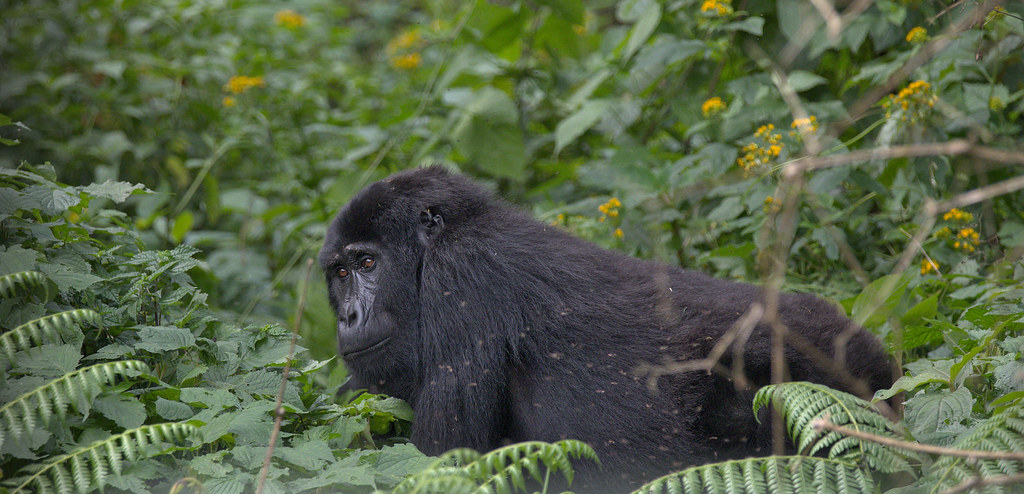
Mountain gorillas are among the world’s most endangered primates, with only about 1,000 individuals left in the wild. These gentle giants live in family groups in remote forested mountains that span Uganda, Rwanda, and the eastern Democratic Republic of Congo (DRC). The rare opportunity to observe them in their natural habitat, socializing, feeding, nurturing young is like nothing else in wildlife travel.
Both Uganda (Bwindi Impenetrable Forest and Mgahinga Gorilla National Park) and Rwanda (Volcanoes National Park) offer exceptional trekking experiences. Each has its unique advantages, landscapes, and logistical considerations, making it possible to plan trips that suit different budgets, comfort levels, and travel itineraries.
Getting There: From South Africa to East Africa
Travelling from South Africa (e.g., Johannesburg or Cape Town) to either Uganda or Rwanda usually involves one or two connecting flights. The most common international gateways are:
Kigali, Rwanda (KGL) – Rwanda’s capital airport receives flights from major hubs like Addis Ababa, Nairobi, and sometimes direct seasonal services from South African carriers.
Entebbe, Uganda (EBB) – Uganda’s main international airport, served via Nairobi, Addis Ababa, or Middle Eastern hubs like Doha and Dubai.
From either airport, internal connections or road transfers bring you closer to the gorilla trekking regions.


Best Time to Go
Gorilla trekking is available year-round, but the dry seasons are best for hiking and visibility
June to September: Long dry season with easier trails and more predictable weather.
December to February: Short dry season, still excellent for trekking and travel comfort.
The rainy seasons (March–May, October–November) can make trails muddy and slippery, but they often come with fewer crowds and lush scenery.
Where You’ll Trek
Uganda is known for its biodiversity and rugged, dense rainforest terrain.
Bwindi Impenetrable National Park
This UNESCO World Heritage Site hosts the bulk of Uganda’s habituated gorilla families. Trekking here ranges from moderate to physically demanding, with dense undergrowth and steep paths, but the rewards are unforgettable.
Mgahinga Gorilla National Park
Smaller and quieter than Bwindi, Mgahinga is part of the larger Virunga ecosystem. It offers a more tranquil trek and the unique chance to encounter the Nyakagezi gorilla family and golden monkeys as well.
Rwanda
Rwanda’s Volcanoes National Park is one of the most famous gorilla trekking destinations in the world, partly thanks to Dian Fossey’s pioneering research there. The park’s proximity to Kigali, well-maintained trails, and scenic volcanic landscapes make Rwanda a favorite for many travellers.
What Happens on a Gorilla Trek?
Gorilla treks usually begin early in the morning with a briefing at the park headquarters, where guides and trackers explain safety rules and protocol.
Hikes can last 2–6 hours or more, depending on the gorilla family’s location that day. When the trackers locate the group, visitors are granted one hour to observe the gorillas at a respectful distance under ranger supervision.
Trail difficulty varies some families are closer to trailheads, while others require steeper, longer hikes. Hiring a porter can make the hike easier, especially on rough or muddy terrain.
Permit Costs & Booking
Securing permits is essential and one of the biggest parts of your budget.
Uganda Gorilla Permits
- Standard permit (foreign non-residents): ~US$800 per person.
- Uganda also offers the Gorilla Habituation Experience, a special option allowing up to four hours with gorillas (cost around US$1,500), compared with the standard one-hour visit.
Rwanda Gorilla Permits
- Standard permit (foreign non-residents): ~US$1,500 per person.
- In the low season, African residents pay US$500 per person.
- Permit prices are set by government authorities in both countries and must be purchased well in advance especially during peak seasons, as only eight visitors are allowed per gorilla family per day.
- Booking tip: Arrange permits at least 6–12 months ahead of your travel dates to secure your preferred trekking window.
While permits are a major expense, they’re not the only cost to plan for:
Typical Expenses
- Flights: International flights from South Africa to Kigali or Entebbe vary widely based on season and airline.
- Accommodation: From budget lodges and guesthouses to luxury eco-lodges inside the parks.
What to Pack
- Sturdy hiking boots
- Rain jacket and layered clothing
- Water and snacks
- Insect repellent
- Camera (no flash)
- Always follow ranger instructions to protect both your safety and the gorillas’ wellbeing.
Conservation and Community Impact
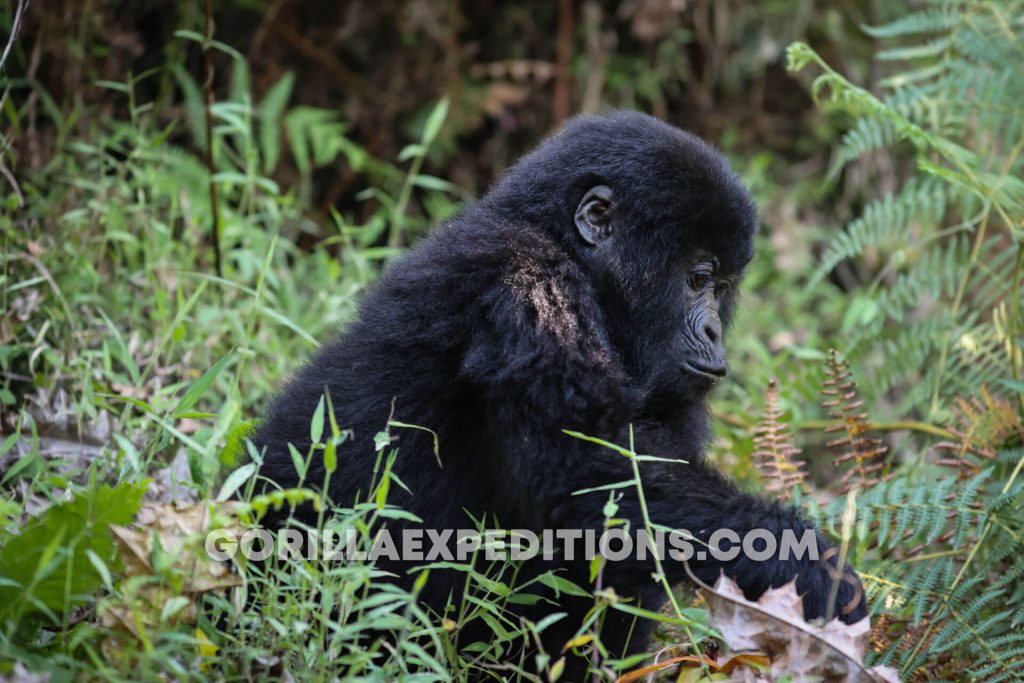
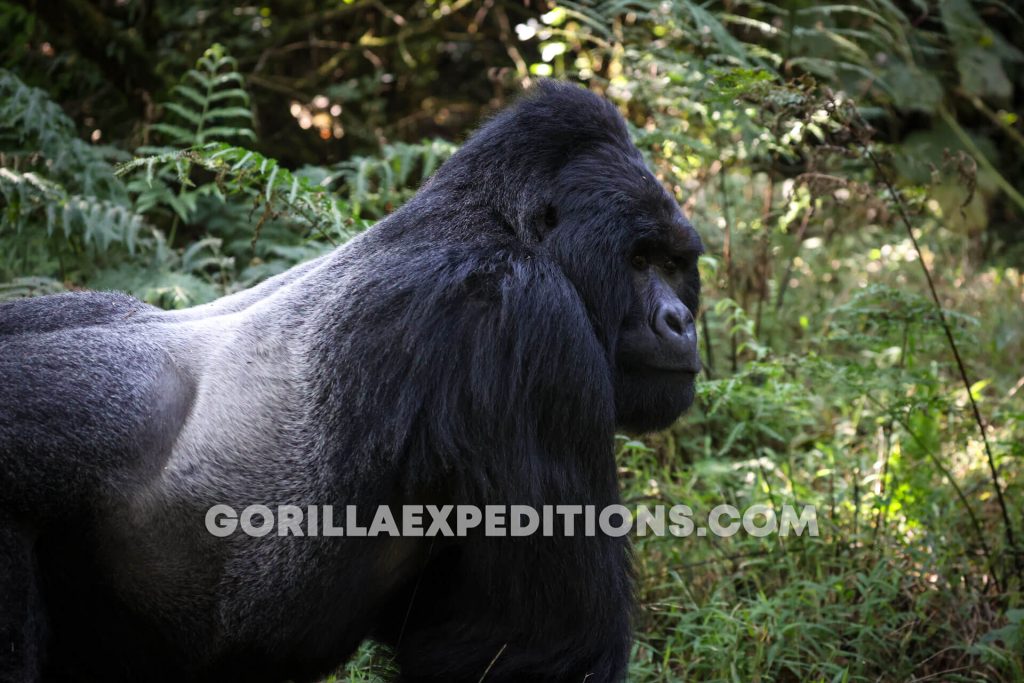
Gorilla trekking fees directly fund conservation efforts, anti-poaching patrols, and community development initiatives. Local communities receive a share of revenue, which supports education, healthcare, and infrastructure creating economic incentives to protect gorilla habitats.
Uganda vs Rwanda: Which to Choose?
Both countries offer unforgettable experiences, but they differ slightly:
Uganda
- More affordable permits.
- Multiple trekking areas (Bwindi, Mgahinga).
- Varied terrain ranging from dense forests to steep hills.
Rwanda
- Higher permit cost but excellent infrastructure and scenic landscapes.
- Easy access from Kigali.
- Volcanoes National Park is iconic and well organized.
- Some travelers choose a combined itinerary, trekking in both countries on one trip for a varied experience.
Conclusion
For travelers from South Africa, gorilla trekking in Rwanda and Uganda is a once-in-a-lifetime adventure worth meticulous planning. With limited permits, unique wildlife encounters, and deeply impactful conservation work, the experience is unforgettable. Whether you prioritize cost, comfort, or convenience, understanding the logistics from permits to timing and local conditions will help you plan a trip that’s as smooth as it is inspiring.