

Silverback Gorilla Trekking in Uganda and Rwanda: The Ultimate Guide
One of the most amazing wildlife encounters on the planet is gorilla trekking. Few encounters rival the thrill of watching a majestic silverback gorilla, the leader of a gorilla family, as it moves through dense forests with calm authority. Uganda and Rwanda, located in East Africa, are the only countries in the world where mountain gorillas can be seen in their natural habitats. For wildlife enthusiasts, conservation supporters, and adventure travelers, silverback gorilla trekking is a bucket-list experience that combines excitement, education, and a deep connection to nature.
In this detailed guide, we explore everything you need to know about silverback gorilla trekking, including where to go, when to trek, safety considerations, fitness requirements, and frequently asked questions about these gentle giants.
What is Silverback Gorilla Trekking?
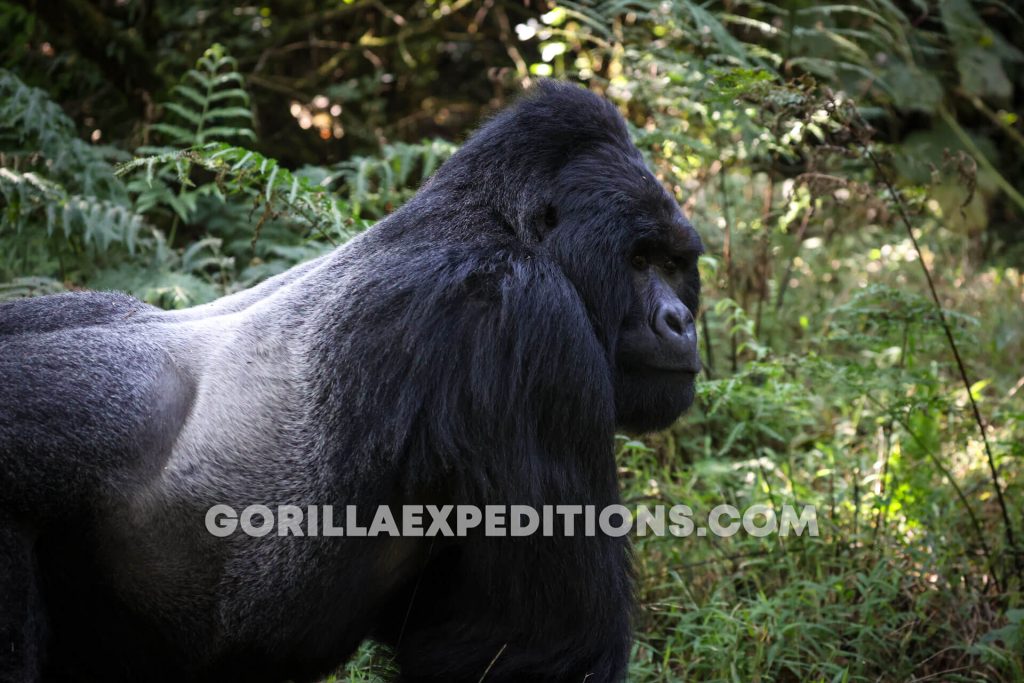
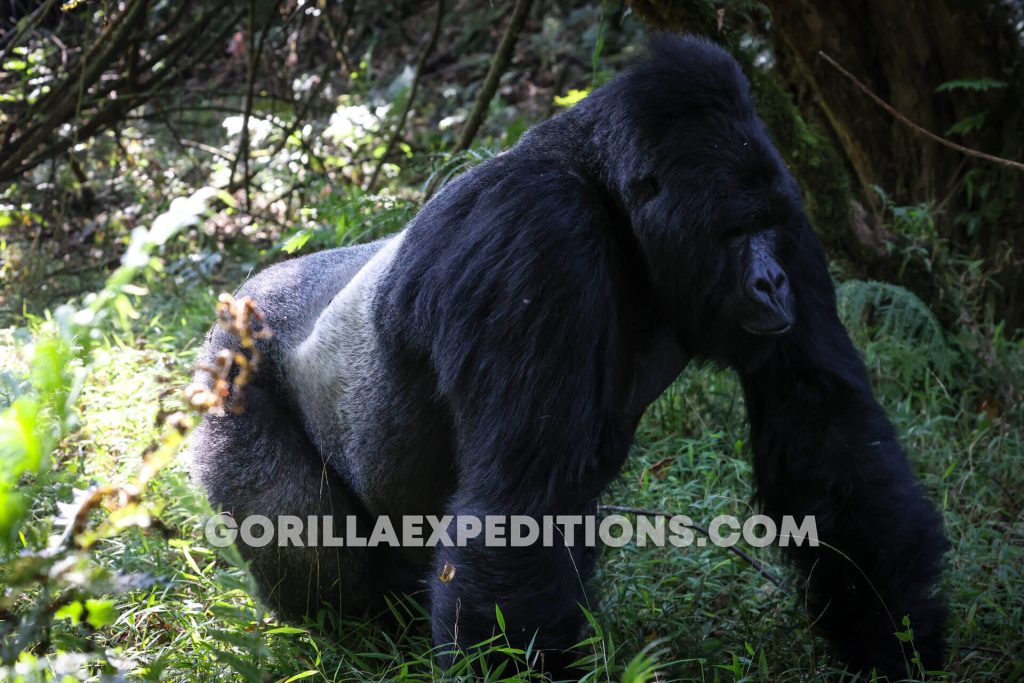
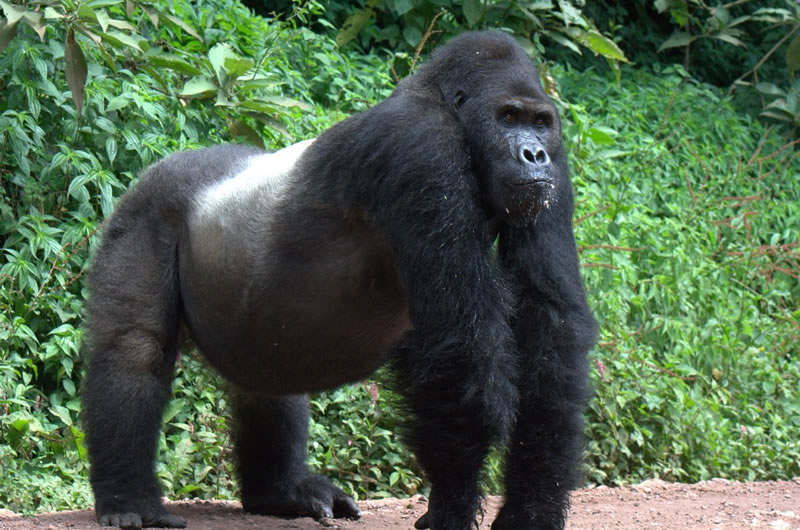
Silverback gorillas are the adult male leaders of a gorilla family, named for the distinctive patch of silver hair on their backs. These magnificent primates can weigh up to 200 kilograms (440 pounds) and live in stable family groups called troops, led by a single silverback. Trekking to see these animals involves hiking through dense forests, volcanic slopes, and bamboo thickets to observe gorillas in their natural environment.
The experience is much more than a wildlife encounter. It is an intimate connection with one of the planet’s most endangered species. During the trek, visitors may witness gorillas feeding, grooming, playing, or resting. Encounters are carefully controlled by park rangers to protect both visitors and the gorillas. Trekking is always guided by trained trackers and park rangers who have years of experience in locating gorilla families. These professionals ensure that the trekking experience is safe, ethical, and highly rewarding.
Where to Go for Silverback Gorilla Trekking
Uganda and Rwanda both offer world-class gorilla trekking opportunities in protected national parks.
Uganda
Bwindi Impenetrable National Park
Located in southwestern Uganda, Bwindi is home to approximately half of the world’s remaining mountain gorillas. It features over 400 gorillas divided into multiple habituated families for trekking. The park is recognized for its dense forest, challenging trails, and breathtaking scenery.
Mgahinga Gorilla National Park
Also in southwestern Uganda, Mgahinga is part of the Virunga Massif, a volcanic mountain range shared with Rwanda and the Democratic Republic of Congo. Though smaller than Bwindi, Mgahinga offers an intimate trekking experience with fewer crowds and several habituated gorilla families.
Rwanda
Volcanoes National Park
Situated in the northwest of Rwanda, Volcanoes National Park is part of the Virunga Conservation Area. It is famous for being the site of the original mountain gorilla habituation program. The park hosts several habituated gorilla families, including some with dominant silverbacks. Trekkers often enjoy breathtaking views of volcanoes, misty mountains, and lush bamboo forests.
Both countries are renowned for strict conservation efforts, ensuring that gorilla populations are monitored, protected, and able to thrive.


When is the Best Time for Silverback Gorilla Trekking?
Gorilla trekking can be done year-round in both Uganda and Rwanda. However, the best months to trek are during the dry seasons, when forest trails are less muddy and trekking conditions are easier:
Uganda: December through February and June through September
Rwanda: December through February and June through September
During these months, rainfall is minimal, making trails safer and easier to navigate. Trekking during the rainy season is possible, but it can be slippery, more physically demanding, and sometimes less comfortable.
Can Children Participate in Gorilla Trekking?
Yes, children can join gorilla trekking tours, but there are age restrictions:
Rwanda: Trekking requires children to be at least 15 years old.
Uganda: Children must be at least 15 years old as well, although some parks allow guided shorter treks with children 12 and above in special circumstances.
Trekking with children is possible if they are physically fit and able to handle forest hikes, sometimes lasting several hours. For younger children, parks often offer shorter forest walks or nature trails, which still allow them to enjoy the forest experience without the strenuous trek.
How Fit Do You Have to Be?
Silverback gorilla trekking can be physically challenging, depending on the family of gorillas assigned and the terrain. Hikes may range from 1 to 6 hours, covering steep slopes, thick forest, and muddy trails. Visitors should be prepared for:
Hiking on uneven or slippery surfaces
Navigating steep inclines
Carrying personal items like water, snacks, cameras, and rain gear
Fitness requirements are moderate to high. While you don’t need to be an elite athlete, a reasonable level of physical endurance and mobility is essential. Trekking poles are often provided, and guides adjust the pace based on the group’s abilities.
Will I See the Silverbacks?
Yes, if you are on a guided trek with a park-authorized operator, seeing silverbacks is almost guaranteed. Only habituated gorilla families are used for tourism, and these groups always include at least one dominant silverback.
However, wildlife is unpredictable, and gorillas move freely in the forest. While rangers track them carefully, the exact moment of encounter may vary. That said, every trek results in sightings of at least one gorilla, often multiple, including the silverback.
Frequently Asked Questions About Silverback Gorillas

- How many gorillas can I see during a trek?
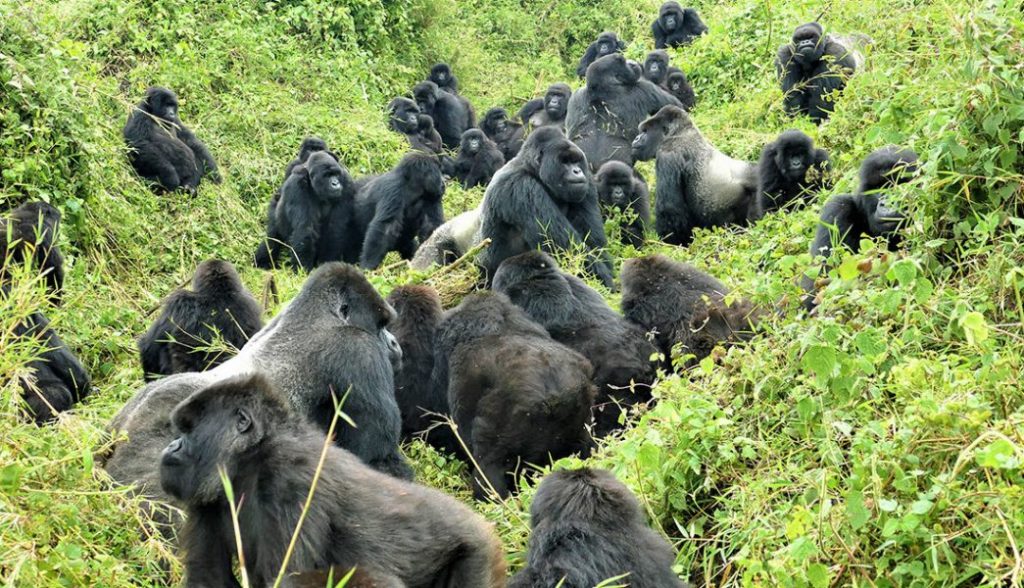
Visitors usually encounter an entire family group, ranging from 5 to 20 gorillas. Each group is led by a dominant silverback, and the encounter typically lasts 1 hour to minimize stress on the animals.
- Are gorillas dangerous?
Gorillas are generally gentle and shy. However, the silverback protects its family, so maintaining distance and following ranger instructions is crucial. Visitors must stay at least 7 meters (23 feet) away from gorillas, avoid sudden movements, and keep voices low.
- Can I take photos?
Yes, photography is allowed, but flash photography is strictly prohibited. Cameras and phones should be used responsibly to avoid disturbing the gorillas.
- What should I wear for trekking?
Long-sleeved shirts and pants to protect against scratches
Sturdy hiking shoes or boots
Rain jacket or poncho (in case of rain)
Hat and gloves for cooler months
Insect repellent
- Do I need special permits?
Yes. Gorilla trekking permits are required and limited in number. Prices vary:
Rwanda: Approx. USD 1,500 per person
Uganda: Approx. USD 800 per person
- Are guides necessary?
Absolutely. Trained guides and trackers are mandatory for locating gorillas, ensuring safety, and enhancing the experience through detailed insights about gorilla behavior and conservation.
- What is the lifespan of a silverback gorilla?
Mountain gorillas typically live 35–40 years in the wild. In protected environments or captivity, they may live slightly longer due to consistent food supply, healthcare, and protection from poachers.
- Why do silverbacks have grey fur?
Male gorillas develop grey or silver hair on their backs around 12 years of age, which signals maturity and their role as dominant leaders of their troop. The silverback fur distinguishes them from younger males and indicates experience, strength, and authority.
- How much do silverback gorillas weigh?
Adult male silverbacks are massive, typically weighing 140–200 kilograms (310–440 pounds). Females are smaller, usually weighing between 70–90 kilograms (150–200 pounds). Their size and strength allow them to protect the family group and maintain social order.

Tips for an Exceptional Gorilla Trekking Experience
- Book early: Gorilla permits are limited and often sell out months in advance, especially during peak seasons.
- Stay nearby: Lodges close to the parks allow early starts and reduce travel time.
- Stay hydrated and energized: Carry water and snacks for long hikes.
- Follow instructions: Rangers and guides know the gorillas’ behavior and ensure a safe, unforgettable experience.
- Respect wildlife: Avoid touching, feeding, or making loud noises near gorillas.
Conclusion
Silverback gorilla trekking in Uganda and Rwanda is a once-in-a-lifetime experience that blends adventure, conservation, and cultural connection. From the misty mountains of Bwindi to the volcanic slopes of Volcanoes National Park, each trek offers unforgettable moments in the heart of the wild.
Trekking is suitable for physically fit adults and older children, providing safe and guided encounters with gorilla families led by dominant silverbacks. With proper preparation, visitors can enjoy up-close interactions while contributing to the protection of one of the world’s most endangered species.
Whether you are a wildlife enthusiast, a photographer, or simply seeking a transformative experience, silverback gorilla trekking is more than a tour—it is a journey into the heart of nature, an education in conservation, and a rare chance to witness the majesty of these gentle giants in their natural habitat.