

Rwanda Gorilla Trekking Safety Guidelines: Complete Guide for a Safe and Responsible Experience
Rwanda gorilla trekking offers one of the most extraordinary wildlife encounters in Africa. In the misty forests of Volcanoes National Park, visitors hike through volcanic terrain to observe endangered mountain gorillas in their natural habitat. This experience creates unforgettable memories, but you must follow strict safety guidelines to protect yourself, the gorillas, and the ecosystem.
If you plan to track gorillas in Rwanda, this comprehensive guide will help you understand the essential safety rules and prepare properly for your adventure.
Why Safety Guidelines Matter
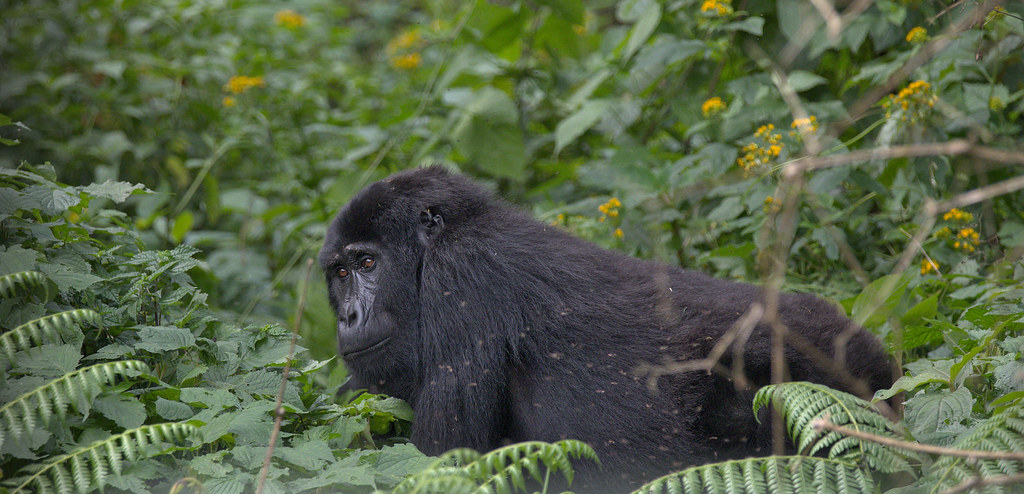
Mountain gorillas share over 98% of human DNA. This close genetic relationship makes them vulnerable to human diseases. Even a mild cold can threaten an entire gorilla family. Rangers and conservation authorities enforce safety rules to protect both visitors and wildlife. When you follow these guidelines, you support conservation efforts and ensure a smooth trekking experience.
Pre-Trek Safety Preparation
- Follow Health Requirements
Before you travel, ensure that you feel healthy. Do not attempt gorilla trekking if you experience flu symptoms, fever, cough, or contagious illness. Inform your tour operator immediately if you feel unwell.
Rwanda tourism authorities may deny trekking access to anyone showing signs of illness. This policy protects endangered gorillas from infection.
Carry necessary personal medication, especially if you have asthma, allergies, or heart conditions. Consult your doctor before traveling if you have any medical concerns.
- Secure Official Gorilla Permits
You must obtain an official gorilla trekking permit through the authorized government body, the Rwanda Development Board. Permits limit daily visitors and protect gorilla families from overcrowding. Never attempt to arrange unofficial access. Only authorized rangers and guides can lead trekking groups inside Volcanoes National Park.
- Hire a Licensed Guide and Ranger
Professional rangers accompany every trekking group. They understand gorilla behavior, terrain conditions, and emergency procedures. Always follow their instructions without hesitation. Rangers communicate with trackers who monitor gorilla movements daily. This coordinated system increases safety for both visitors and wildlife.
Safety Guidelines During the Trek
- Maintain a Safe Distance
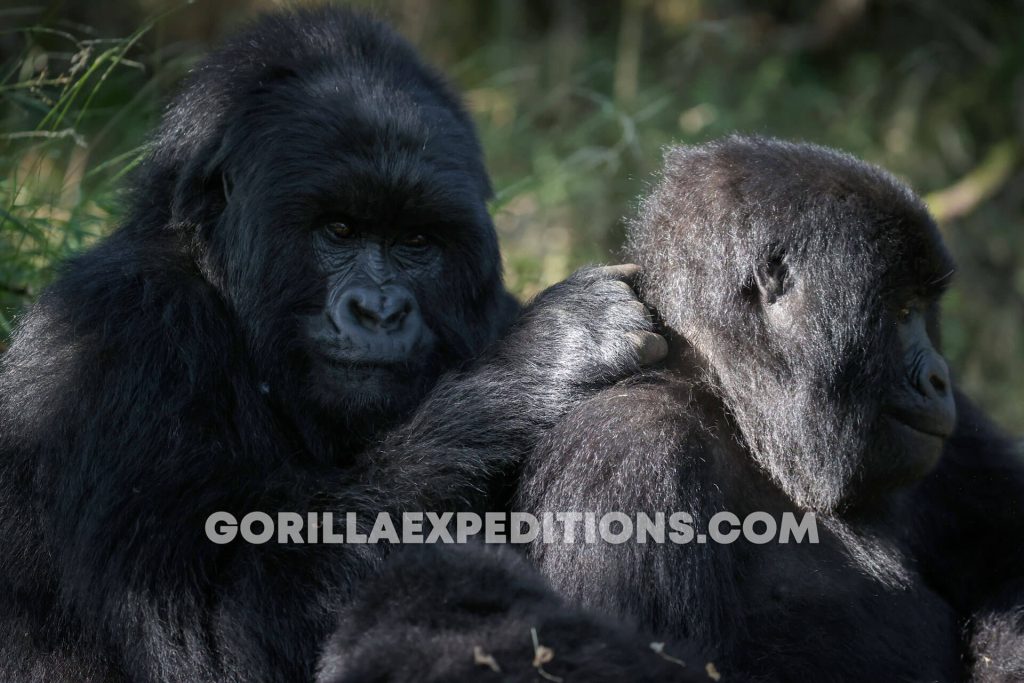
Always keep a minimum distance of seven meters (about 23 feet) from the gorillas. This rule protects them from human diseases and reduces stress. If a gorilla approaches you, remain calm and allow the ranger to guide the situation. Do not step backward suddenly or make quick movements.
- Stay Calm and Avoid Sudden Movements
Gorillas remain peaceful animals, but they react strongly to sudden gestures. Avoid pointing, shouting, running, or waving your arms. Move slowly and speak softly. Keep your body relaxed and follow your ranger’s signals. If a silverback beats his chest or vocalizes loudly, do not panic. This behavior often serves as communication rather than aggression. Your guide will instruct you on how to respond properly.
- Do Not Make Direct Eye Contact
Direct eye contact may signal a challenge in gorilla communication. Instead, lower your gaze slightly and maintain a respectful posture. This simple action reduces tension and shows non-threatening behavior.
- Wear a Face Mask
Rwanda requires visitors to wear face masks during the one-hour gorilla encounter. This measure protects gorillas from airborne diseases. Ensure your mask fits properly and carry an extra one in case of moisture or damage.
- Avoid Physical Contact
Never attempt to touch a gorilla, even if it comes close to you. Physical contact can transmit bacteria and viruses. Mountain gorillas live in tightly bonded family groups. Human contact may disrupt their social dynamics and cause stress.
Environmental Safety Guidelines
- Stay on Designated Trails
Volcanoes National Park features dense vegetation and fragile ecosystems. Rangers guide you along safe routes to protect plant life and prevent accidents. Do not wander away from the group. Dense forest can disorient you quickly.
- Do Not Litter
Carry all personal items back with you. Dispose of waste properly outside the park. Even biodegradable waste such as fruit peels can introduce foreign substances into the gorilla habitat. Respect the environment and leave no trace behind.
- Follow Photography Rules
You may take photographs, but turn off your camera flash. Flash photography can startle gorillas and create stress. Move slowly when adjusting your camera equipment. Prepare your settings before you approach the gorillas to minimize sudden movements.
Personal Safety in the Forest
- Wear Proper Trekking Gear
- Dress appropriately for mountainous terrain. Wear:
- Sturdy waterproof hiking boots
- Long-sleeved shirts
- Long hiking trousers
- Gardening gloves for gripping vegetation
- Rain jacket
- Hat for sun or rain protection
- Proper gear reduces the risk of slips, insect bites, and scratches from thorny plants.
Use a Walking Stick
Rangers provide walking sticks at the park headquarters. Use one to maintain balance on steep slopes and muddy paths. A walking stick improves stability and reduces strain on knees during descents.
- Stay Hydrated and Carry Snacks
Trekking may last several hours. Bring enough drinking water and energy snacks. Dehydration can reduce alertness and increase fatigue. Eat light but nutritious food before the trek to maintain steady energy.
Group Safety and Etiquette
- Respect Group Size Limits
Rwanda limits each gorilla family to a maximum of eight visitors per day. This rule protects gorillas from stress and maintains a calm atmosphere. Stay with your assigned group and cooperate fully with your fellow trekkers.
- Listen Carefully During the Briefing
Each morning at Volcanoes National Park headquarters, rangers conduct a detailed safety briefing. Pay close attention and ask questions if you need clarification. This briefing prepares you for terrain conditions, weather expectations, and gorilla behavior.
Security in Rwanda
Rwanda maintains a strong reputation for safety and stability. Authorities protect Volcanoes National Park and surrounding communities carefully. Tourism plays a vital role in Rwanda’s economy, so the government prioritizes visitor security. Rangers coordinate closely with local officials to maintain safe trekking operations.
Travelers often combine gorilla trekking with time in Kigali, which ranks among Africa’s cleanest and safest cities.
Emergency Preparedness
- Although incidents remain rare, rangers train for emergencies. They carry communication equipment and first aid supplies.
- Notify your guide right away if you feel ill while trekking. Rangers can adjust pace or arrange assistance if necessary.
- Travel insurance that covers trekking activities is strongly recommended Select a policy that covers emergency evacuation.
- Responsible Tourism Protects Gorilla Futures
- When you follow Rwanda gorilla trekking safety guidelines, you protect more than yourself. You protect endangered mountain gorillas and contribute to conservation success.
- Tourism revenue funds anti-poaching patrols, veterinary programs, and community development projects. Responsible visitor behavior strengthens these efforts.
Conclusion
Rwanda gorilla trekking delivers a powerful, emotional wildlife encounter. You will stand just meters away from a silverback in the wild, hear soft grunts from a gorilla family, and witness behavior that few people on Earth experience.
Safety guidelines ensure that this privilege continues for future generations. Respect the rules, listen to your ranger, prepare properly, and maintain awareness throughout the trek. When you approach this adventure with responsibility and care, you will enjoy a safe, smooth, and deeply rewarding journey in Volcanoes National Park.