

The Deep Rainforests of Rwanda’s Volcanoes National Park
The Deep Rainforests of Rwanda’s Volcanoes National Park, The montane rainforests that cloak Volcanoes National Park rank among the most ecologically valuable landscapes on the African continent. Spread across the dramatic slopes of the Virunga volcanic range, this forest ecosystem shelters endangered mountain gorillas, rare primates, distinctive birdlife, and a remarkable variety of high-altitude vegetation. Persistent mist drifts through tall Hagenia trees and dense bamboo stands, creating an atmosphere that feels primeval and undisturbed by time.
Covering roughly 160 square kilometers in northwestern Rwanda, the park protects five of the eight Virunga volcanoes and forms part of a larger transboundary conservation region shared with Uganda and the Democratic Republic of Congo. This rainforest is not merely a scenic wilderness. It performs essential environmental functions by regulating regional water systems, preventing soil erosion on steep volcanic slopes, and sustaining one of the planet’s last surviving populations of mountain gorillas.
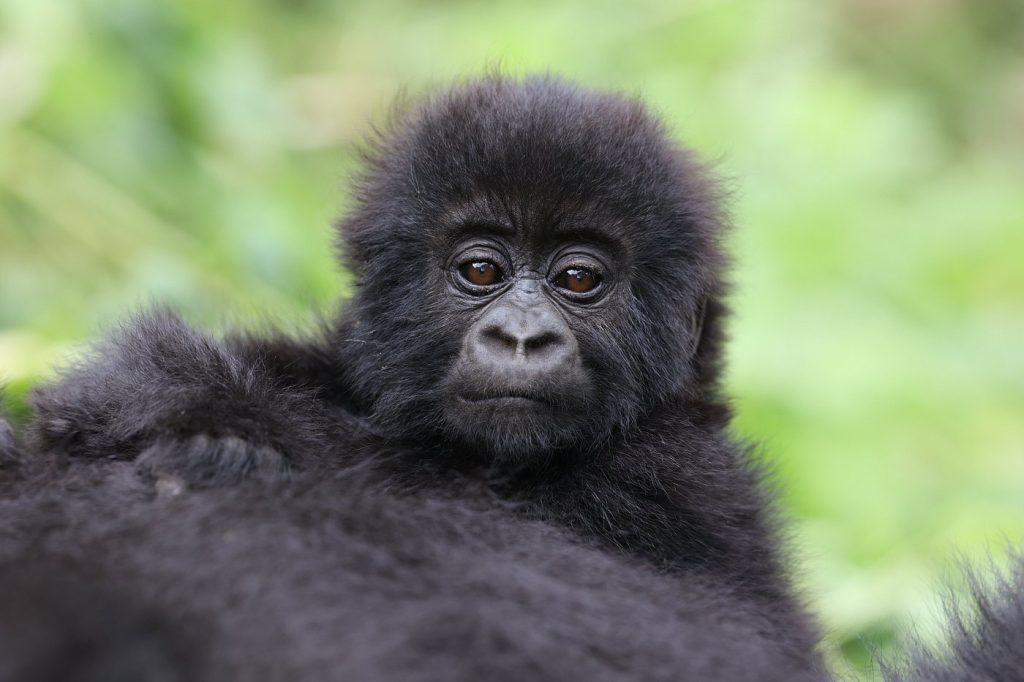
A Montane Forest Shaped by Altitude
Unlike equatorial lowland forests found elsewhere in Africa, the ecosystem here exists at elevations ranging from approximately 2,400 meters to over 4,500 meters above sea level. This altitude produces a cooler climate, frequent rainfall, and fertile volcanic soils that together encourage dense and layered vegetation growth.
At lower elevations, thick bamboo forests dominate the landscape. These bamboo zones are critical feeding areas for both mountain gorillas and golden monkeys, providing tender shoots and shelter. As the terrain climbs higher, bamboo gives way to Hagenia-Hypericum woodland, characterized by moss-draped branches and filtered light penetrating through textured canopies. Near the upper volcanic slopes, afro-alpine plants such as giant lobelias and senecios emerge, creating a surreal botanical environment rarely found elsewhere in Africa.
This vertical gradient of plant life allows numerous species to thrive within specific ecological niches, all contained within a relatively compact geographic area. The result is a layered ecosystem where biodiversity shifts noticeably with every change in elevation.
Sanctuary for Mountain Gorillas
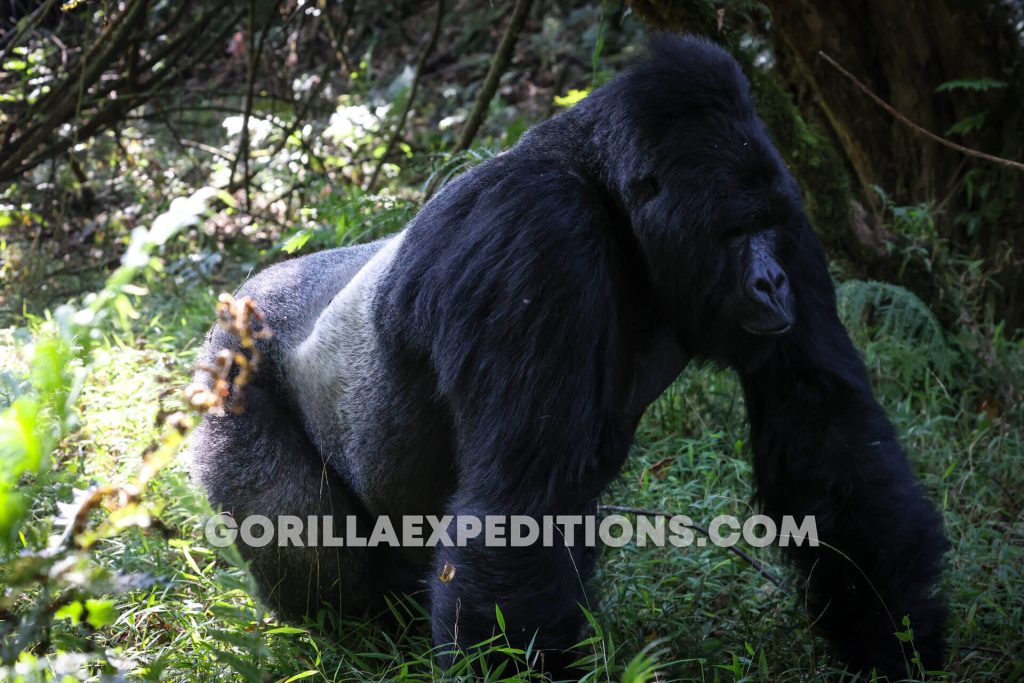
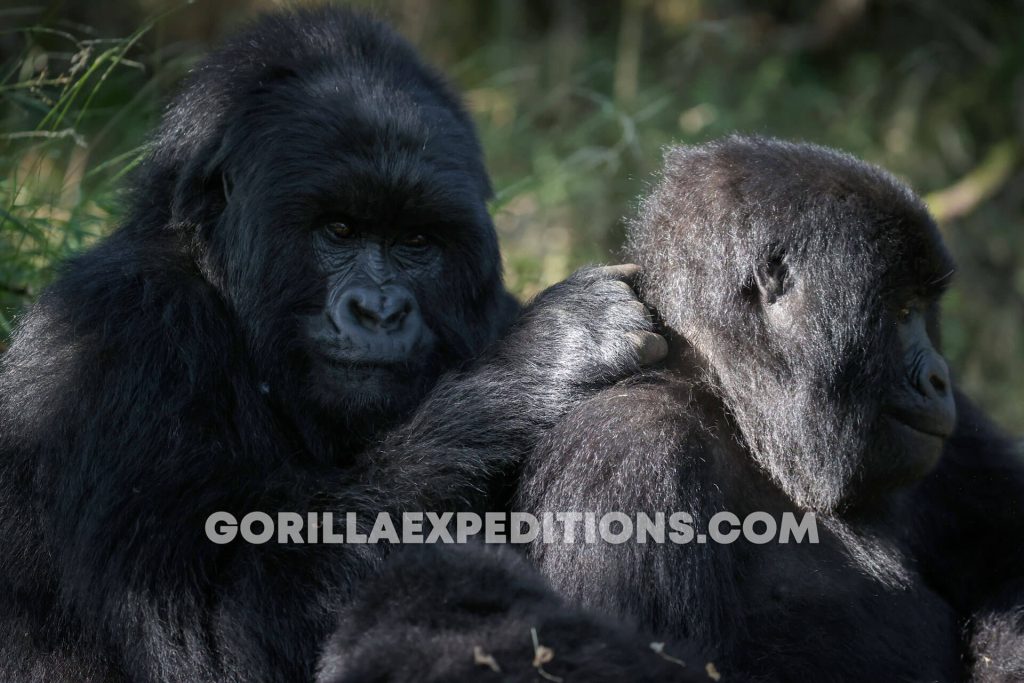
The rainforest’s international reputation rests largely on its role as habitat for endangered mountain gorillas. These great apes inhabit family groups led by dominant silverbacks and move methodically through bamboo thickets and montane forest in search of nourishment. The richness of plant species within the park ensures a stable year-round food supply consisting of leaves, stems, pith, and seasonal shoots.
The forest canopy regulates temperature and humidity, maintaining the cool, moist environment that mountain gorillas require. Thick vegetation also offers natural protection, reducing exposure to extreme weather and human disturbance. The forest and its gorillas exist in complete ecological interdependence. The survival of one depends entirely on the preservation of the other.
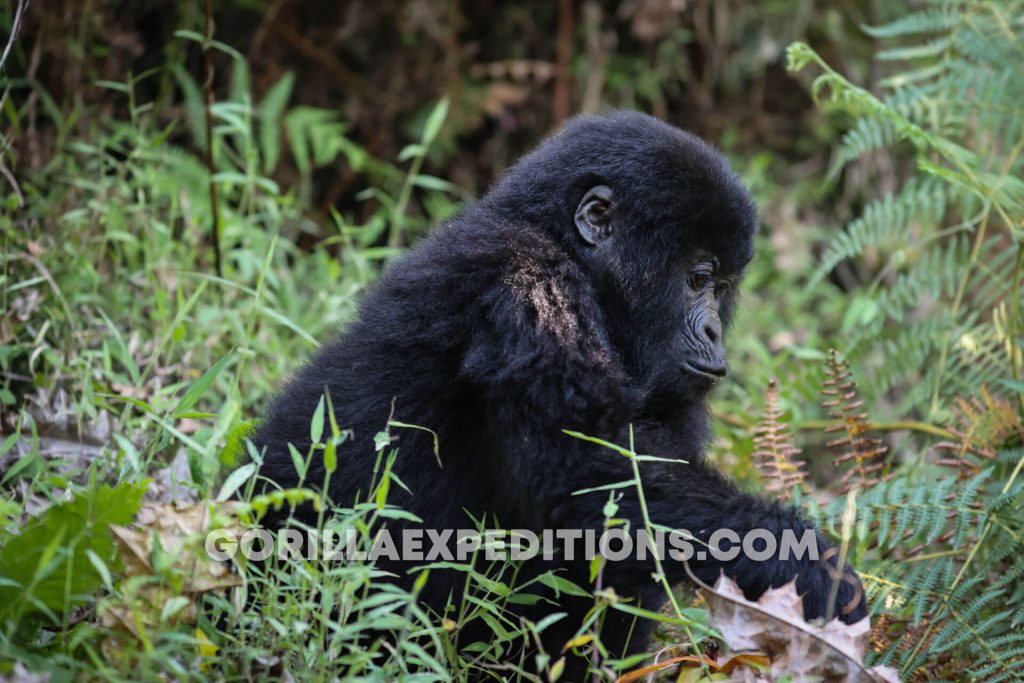
Trekking through this environment reveals how seamlessly gorillas blend into their habitat, often appearing and disappearing among foliage with surprising quietness despite their size.

Biodiversity Beyond the Iconic Species
Although mountain gorillas draw global attention, the rainforest supports far greater ecological diversity. Golden monkeys inhabit the bamboo belts, moving swiftly between branches with flashes of bright orange fur contrasting against deep green leaves. Forest buffalo and occasional elephants pass discreetly through remote areas of the park, contributing to seed dispersal and vegetation dynamics.
Birdlife flourishes within this montane environment. Species endemic to the Albertine Rift region find refuge in the park’s varied habitats, making it an important destination for specialized birdwatchers. Sunbirds, turacos, and forest francolins occupy different canopy levels, each playing a role in pollination and insect control.
Countless smaller organisms, from amphibians to insects, sustain the forest’s intricate web of life. The rainforest functions as a living reservoir of biodiversity, reinforcing its global conservation significance.
Climate, Mist, and Atmosphere
Moisture defines the character of this volcanic rainforest. Two primary rainy seasons typically occur between March and May and again from October to November, although rainfall can appear unexpectedly at any time of year. Early mornings frequently bring drifting fog that softens the outlines of trees and volcanoes, creating an almost dreamlike landscape.
The combination of mist and filtered sunlight produces shifting patterns of brightness beneath the canopy. Rain nourishes thick undergrowth while fallen leaves gradually decompose into rich organic soil, reinforcing the fertility of the ecosystem.
Sounds carry distinctly in this environment. Bird calls echo across slopes, bamboo stalks rustle in the wind, and distant primate vocalizations resonate through valleys. The forest atmosphere feels immersive, engaging every sense simultaneously.
The Influence of Dian Fossey
The slopes of Volcanoes National Park became internationally known through the groundbreaking work of Dian Fossey. In 1967, she established the Karisoke Research Center between Mount Karisimbi and Mount Bisoke, dedicating her life to studying and protecting mountain gorillas.
Her research reshaped scientific understanding of gorilla social behavior and raised global awareness about the threats facing the species. Her conservation advocacy helped inspire stronger anti-poaching measures and long-term habitat protection efforts.
Today, hikers traversing these forested slopes pass through the same terrain where early field studies were conducted, reinforcing the historical depth of conservation commitment in this landscape.
Conservation Management and Community Partnership
The rainforest remains carefully protected under Rwanda’s conservation framework, which emphasizes regulated tourism and community involvement. Visitor numbers for gorilla trekking are strictly limited, minimizing ecological disturbance while generating sustainable revenue.
Funds collected from tourism contribute directly to ranger patrols, habitat monitoring, veterinary care for wildlife, and community development projects. Revenue-sharing programs support local schools, healthcare centers, and infrastructure improvements in surrounding villages. This integrated model strengthens cooperation between conservation authorities and neighboring communities.
Maintaining forest integrity therefore safeguards both biodiversity and local livelihoods, creating a mutually reinforcing system of protection and economic stability.
Immersion Through Trekking
Experiencing the rainforest firsthand offers an entirely different perspective from reading about it. Gorilla trekking routes wind through bamboo corridors, across small streams, and up volcanic slopes covered in moss. The forest floor feels cushioned by layers of decomposed vegetation accumulated over decades.
Every step reveals subtle ecological processes in motion, from insects pollinating blossoms to vines entwining towering trunks. The environment feels authentic and untamed rather than curated or artificial. The physical effort required to navigate steep and sometimes muddy terrain enhances appreciation for the resilience and vitality of the ecosystem.
Encountering mountain gorillas within this setting underscores the inseparable bond between species and habitat.
Enduring Significance
The deep rainforests of Volcanoes National Park represent far more than a backdrop for wildlife tourism. They form a dynamic ecological system shaped by altitude, climate, and volcanic geology. Their preservation ensures the survival of mountain gorillas while sustaining countless other species that depend on montane habitats.
Standing within this mist-laden forest, surrounded by towering vegetation and volcanic peaks, visitors witness a rare convergence of natural beauty and conservation success. The rainforest remains the foundation of Rwanda’s gorilla protection story, and its continued safeguarding guarantees that future generations will inherit both the forest and the extraordinary wildlife it sustains.
Plan Your Rainforest Experience
Volcanoes National Park designs professionally coordinated gorilla trekking journeys that immerse travelers in the ancient rainforest of Volcanoes National Park. We arrange permits, recommend carefully selected lodges near Kinigi, and organize smooth transfers from Kigali to ensure a seamless experience.
If you are ready to explore Rwanda’s volcanic rainforest and witness mountain gorillas in their natural environment, contact VolcanoesNationalPark.com today. Our team will craft a personalized itinerary that delivers both ecological insight and unforgettable adventure.