

Hirwa Gorilla Family in Rwanda: The Group Born from Unity and Adventure
Deep within the mist-covered forests of Volcanoes National Park in Rwanda lives one of the most fascinating mountain gorilla groups in Africa — the Hirwa Gorilla Family. Unlike many gorilla groups formed through traditional family succession, Hirwa emerged from an unusual story of migration, unity, and survival. Its name, “Hirwa,” means “lucky one” in Kinyarwanda, and many conservationists believe the group truly lives up to that meaning.
For travelers seeking an unforgettable gorilla trekking experience, the Hirwa family offers more than wildlife viewing. It represents resilience, adaptation, and the success of mountain gorilla conservation in Rwanda.
The Origin Story of the Hirwa Gorilla Family
A Rare Formation Through Gorilla Migration
Most mountain gorilla groups are formed when a dominant silverback gathers females and offspring to create a stable family unit. However, the Hirwa family was created in a completely different way.
In 2006, several gorillas from different established groups unexpectedly came together in Volcanoes National Park. This unusual migration resulted in the formation of a new gorilla family under the leadership of a powerful silverback named Munyinya.
Wildlife researchers considered this highly uncommon because mountain gorillas are known for maintaining stable social structures. The spontaneous merging of individuals from different groups made Hirwa one of the rarest gorilla family formations ever documented in Rwanda.
Why the Name “Hirwa” Matters
The word “Hirwa” translates to “the lucky one.” Rangers and researchers chose this name because the group experienced several fortunate events during its early years.
One of the most celebrated moments occurred when the family welcomed twins — a very rare event among mountain gorillas. Twin births among gorillas have an extremely low survival rate in the wild, making this event remarkable for conservationists and wildlife enthusiasts alike.
The survival of the twins brought international attention to the Hirwa family and strengthened Rwanda’s image as a leader in gorilla conservation.
Life Inside the Hirwa Gorilla Family
The Social Structure of the Group
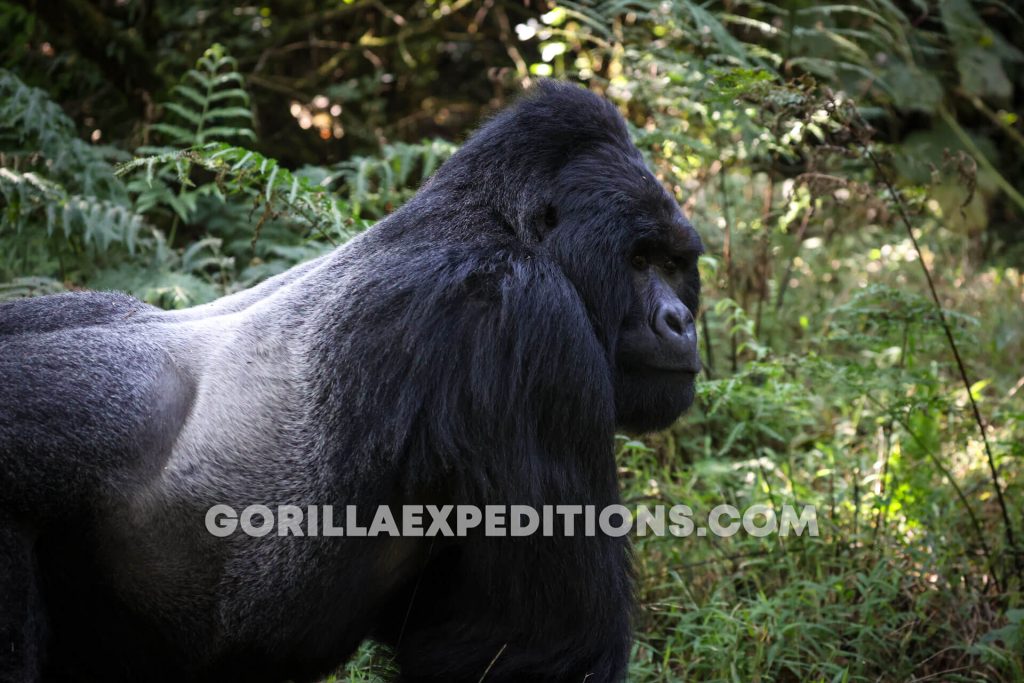
Like other mountain gorilla families, Hirwa operates under a complex social system led by dominant silverbacks. These leaders are responsible for protecting the group, making movement decisions, and resolving conflicts.
Within the family, members communicate through:
- Vocal sounds
- Facial expressions
- Body posture
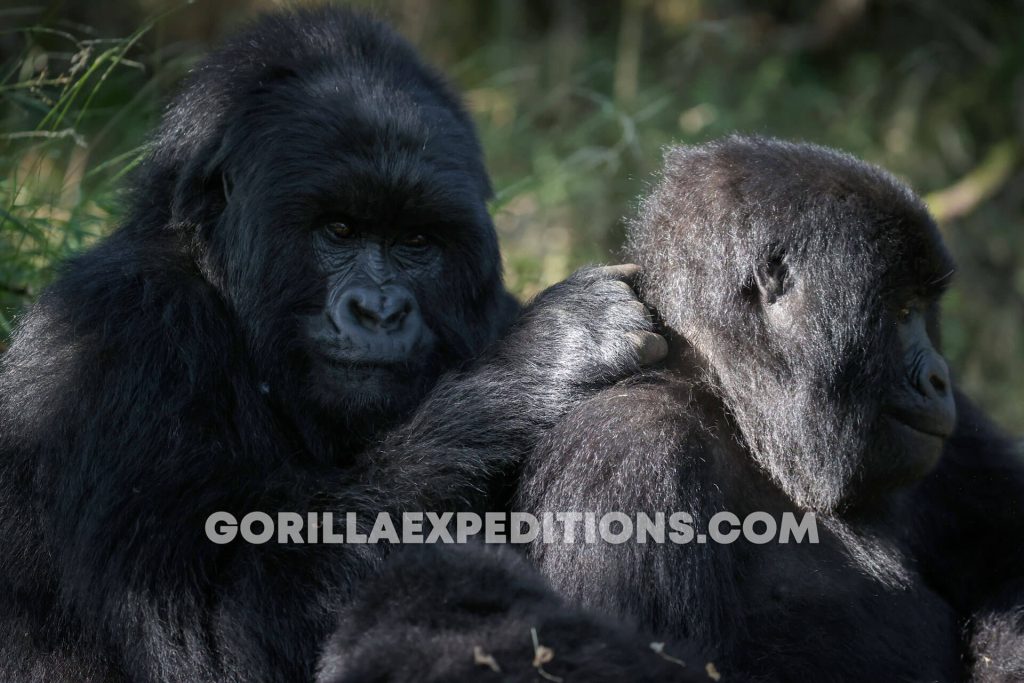
- Grooming behaviors
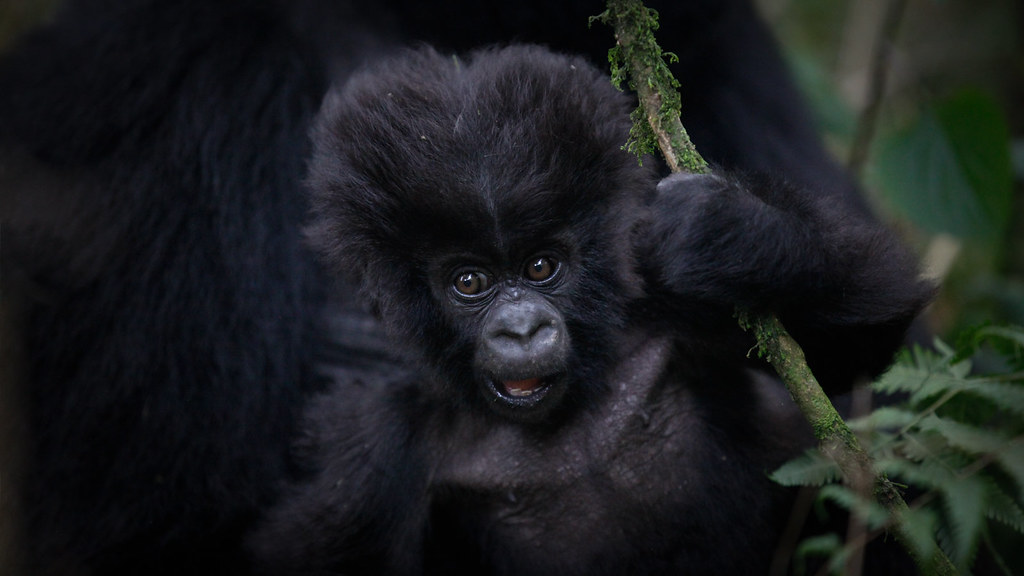
Young gorillas spend much of their time playing, climbing vegetation, and interacting with siblings. Adult females care for infants while silverbacks maintain order and security.
The close-knit relationships within Hirwa make it one of the most engaging groups for visitors to observe during trekking excursions.


Where the Hirwa Family Lives
The Hirwa Gorilla Family inhabits the lush slopes of Volcanoes National Park in northern Rwanda. This protected area forms part of the Virunga Conservation Region, which stretches across Rwanda, Uganda, and the Democratic Republic of Congo.
The park is characterized by: Dense bamboo forests, Afro-montane vegetation, Volcanic mountains, Mist-covered valleys
These conditions create the ideal habitat for endangered mountain gorillas.
The Hirwa family often roams near the slopes of Mount Sabyinyo, an area known for its breathtaking scenery and challenging trekking routes.
Trekking to See the Hirwa Gorilla Family
What Makes the Trek Unique
Trekkers searching for the Hirwa family often experience one of the more adventurous hikes in Volcanoes National Park. Because the group tends to move through higher elevations and dense vegetation, the journey can be physically demanding but highly rewarding.
Visitors frequently describe the encounter as emotional and life-changing. Watching mountain gorillas interact naturally in their habitat creates a deep appreciation for wildlife conservation.
A typical trekking experience includes:
Early Morning Briefing
Visitors gather at the park headquarters before sunrise for safety instructions and group assignments.
Guided Forest Hike
Experienced trackers lead tourists through forests, bamboo zones, and volcanic terrain.
The Gorilla Encounter
Once the gorillas are located, visitors spend one unforgettable hour observing the family from a safe distance.
Conservation Education
Guides explain gorilla behavior, conservation efforts, and the ecological importance of the Virunga ecosystem.
Fascinating Behaviors Observed in Hirwa
Playful Juveniles and Protective Silverbacks
The Hirwa family is particularly known for active juveniles that often entertain visitors with playful behavior. Young gorillas can be seen tumbling, climbing branches, and chasing one another through the vegetation.
Silverbacks display a calmer but highly protective nature. They constantly monitor their surroundings and ensure the group remains safe from threats.
One of the most memorable experiences for trekkers is hearing the deep chest beats of a silverback echo through the forest — a powerful reminder of the gorillas’ strength and dominance.
Conservation Success and Challenges
The survival of the Hirwa Gorilla Family reflects Rwanda’s strong commitment to conservation. Over the past two decades, the country has invested heavily in:
- Anti-poaching patrols
- Veterinary care
- Community tourism programs
- Habitat protection
- Gorilla monitoring
- Revenue generated from gorilla trekking permits directly supports conservation and local communities living near the park.
However, challenges still remain, including:
- Habitat pressure
- Human-wildlife conflict
- Disease transmission
- Climate change impacts
Because mountain gorillas share much of their DNA with humans, they are highly vulnerable to human illnesses. Strict trekking rules help reduce this risk.