

Why National Parks and Reserves Don’t Always Safeguard Ecosystems as Expected.
Why National Parks and Reserves Don’t Always Safeguard Ecosystems as Expected., National Parks and Nature Reserves are often celebrated as the highlight of conservation. They promise unharmed wilderness, protected wildlife, and ecosystems enclosed from human pressure. However, there many intentions but protected areas fail to deliver the level of ecological protection local people assume they provide. The reality is far more complicated; simply drawing lines on a map does not promise that nature inside those boundaries will grow. Below are some of the reasons why protected areas are not always as protective as we think.
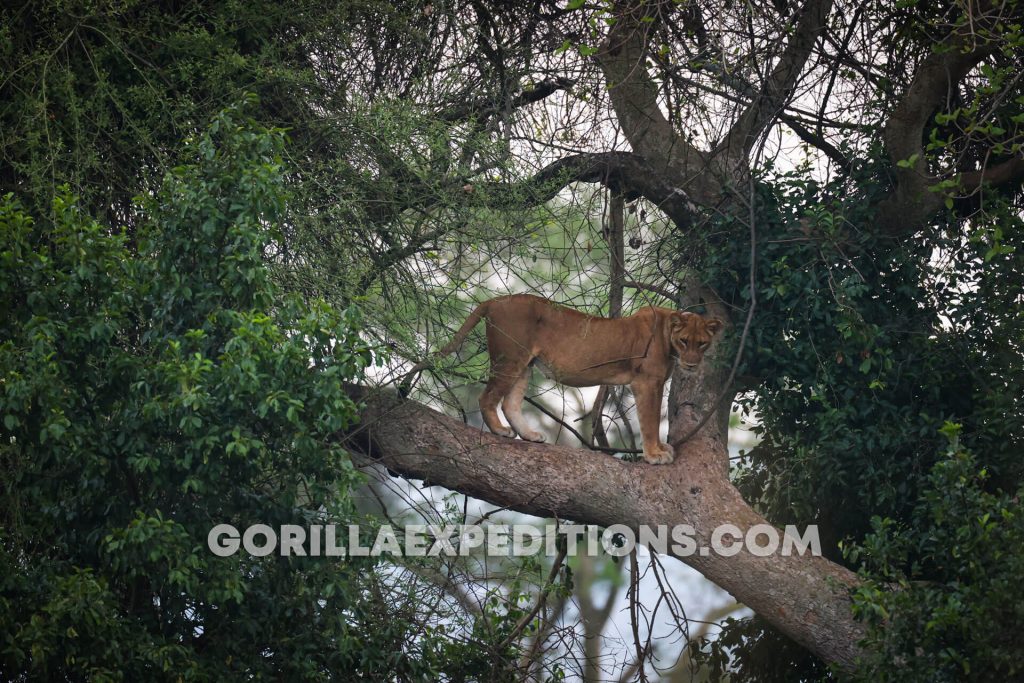
Boundaries Don’t Shield Ecosystems from External Pressures
- Ecosystems do not smartly fit within artificial boundaries. Animals migrate, water flows, seeds disperse, and climate patterns shift regardless of where humans decide to draw a boundary. When the surrounding landscape is heavily changed through agriculture, mining, deforestation, or urban expansion, those distractions discover into the protected area. Examples include;
- Habitat division: Animals that require bigger space cannot survive if areas outside the park are destroyed.
- Pollution: Chemicals, air pollution and water impurities easily enter otherwise “protected” ecosystems.
- Human-wildlife conflict at the borders: When wildlife crosses boundaries in search of food or breeding grounds, revenge killings or habitat loss occurs.
- A national park can preserve land, but it cannot isolate ecological processes from the rest of the environment.
Lack of Funds and Enforcement Undermine Protection
- Many National Parks are severely underfunded. Guarding expansive landscapes requires personnel, infrastructure, monitoring programs, and long-term ecological research. Underfunding results into the following.
- Patrol shortages, allowing illegal poaching, and resource extraction to grow.
- Inadequate scientific research, leaving conservation managers screen to ecosystem changes.
- Under developed infrastructure, making it hard to manage visitors sustainably.
Tourism Can Harm the Environments It Aims to Celebrate
Although ecotourism is often promoted as a tool for conservation, it can easily reduce the ecosystems it depends on. High foot traffic, vehicle use, and poorly managed tourism infrastructure create environmental stress.
Examples of tourism-related issues: Soil erosion from heavily used trails, Disturbance of wildlife, altering feeding or breeding behavior, Littering and waste pollution & Construction of hotels and roads, which damages natural habitats.
Climate Change
Protected areas are out into place, but climate change is pushing ecosystems into new locations. Species that were once well protected within a reserve may find themselves outside of it as temperatures rise day and night. Climate affects protected areas in such away Loss of suitable habitat within reserves, Increased wildfires, droughts, and pest outbreaks, Mismatches between species and their food sources, displacing animals in unprotected areas.
Political and Economic Interests
Protected areas exist within human communities where political timetable and economic pressures often impact on how conservation rules are enforced or passed over. This leads to problems such as Resource extraction permits being granted inside protected areas, Infrastructure projects (roads, pipelines, dams) cutting through natural reserves & Land rights conflicts with native communities.
Protection Doesn’t Immediately Restore What’s Already Lost
Designating an area as protected does not change the past damage. If a forest was degraded before being declared a national park, the label alone won’t restore its ecosystems. True restoration requires long-term planning, funding, and active intervention, work that many parks struggle to sustain.
When Protection Doesn’t seem Balance
Protection is often seen as an act of care, a mechanical response to danger, loss, or uncertainty. We build walls around the things we value: our children, our ideas, our communities, even our area. But protection, when misunderstood or tampered with, can quietly point the scales. What begins as shelter can become an obstruction, and what is meant to preserve can slowly destroy what it seeks to defend. True balance requires freedom, adaptation, and the ability to respond to change.
When Safeguards Become Barriers
Sometimes protection limits more than it preserve. A child protected from every risk may grow up untrained to face real challenges. A society that clears opposing voices may claim to protect unity while destroying its own foundation of trust and critical thinking. Even in ecosystems, well-designed protective policies can disorganize natural cycles, preventing fire dependent forests from isolating wildlife within man-made boundaries.
The Illusion of Control
Many protective methods stem from the desire to control outcomes. We protect money with strict rules, emotions with walls, and traditions with believe. But control is rarely balance. It often means someone or something is held down so something else can rise. When the goal is absolute safety, the cost is often movement, innovation, or participation. The more tightly we try to hold something in place, the more pressure builds underground.
Protection That Silences Instead of Supports
Not all threats are outside. Sometimes the danger comes from the protection itself. A community “protected” by an iron hand policing may feel fear rather than safety. A partner “protecting” another through desire undermines independent and trust. Employees “protected” from hard truths may lose the chance to develop. Protection becomes harmful when it is used to prevent discomfort rather than to promote wellbeing.
The Path to Healthy Protection
Protection is not the bad. It becomes damaging only when it replaces collaboration, resilience, or trust. Healthy protection creates room rather than closing it, responds to change rather than resisting it, Encourages capability instead of dependency & Balances boundaries with freedom