

Living with the wild Animals (Up-close)
Living with wild animals up-close is not a fantasy created by documentaries or safari brochures. It is a real, daily experience for millions of people around the world who share land, water, and air with untamed creatures. From elephants roaming near villages to primates crossing roads and predators hunting nearby, this way of life demands awareness, respect, and deep understanding of nature.
As human populations grow and wildlife habitats shrink, humans and wild animals are being forced closer together than ever before. This reality makes coexistence not just an option, but a necessity. Learning how to live with wild animals up-close teaches us patience, humility, and responsibility qualities modern society often forgets.
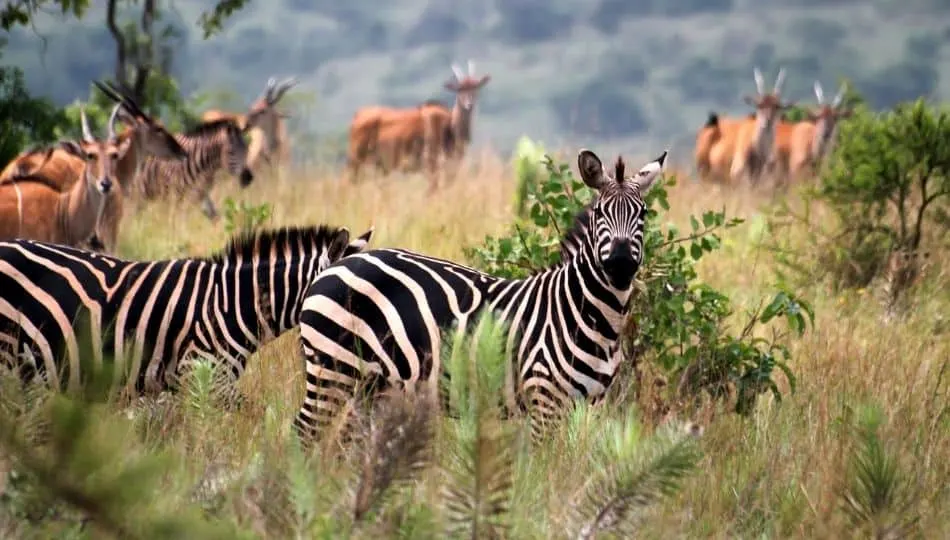
What Does Living with Wild Animals Up-Close Mean?
- Living with wild animals up-close does not mean keeping wild animals as pets or interfering with their natural behavior. Instead, it means:
- Sharing space with wildlife in or near their natural habitat
- Respecting animal boundaries
- Adapting human lifestyles to reduce conflict
- Allowing animals to live freely without harm
- This form of coexistence is common near national parks, conservation areas, forests, and rural landscapes. People in these regions do not “visit” wildlife, wildlife is part of their everyday environment.
The Emotional Experience of Coexisting with Wildlife
At first, living close to wild animals can be frightening. The sounds of animals at night, unexpected encounters, or visible signs of predators can trigger fear. However, over time, fear often transforms into understanding.
- People who live close to wildlife develop:
- Respect for animal strength and intelligence
- Calm awareness instead of panic
- Emotional connection to the natural world
- Witnessing animals in their natural behavior—feeding, migrating, caring for young—creates a powerful sense of belonging within nature.
Daily Life Near Wild Animals
Morning in Wildlife Zones
Mornings may begin with birds calling, monkeys moving through trees, or animal tracks near homes. Farmers inspect their land carefully, and children are taught early how to behave around wildlife.
Nighttime Precautions
- Many wild animals are more active at night. Communities adapt by:
- Securing food and waste
- Avoiding walking alone after dark
- Using light, noise, or fencing responsibly
- Living with wild animals up-close requires constant awareness, but it also encourages discipline and respect for natural cycles.
Challenges of Living with Wild Animals
- Human–Wildlife Conflict
- One of the biggest challenges is conflict caused by competition for space and resources. Wild animals may:
- Damage crops
- Kill livestock
- Wander into settlements
- These situations can lead to frustration and danger if not managed responsibly.
Safety Concerns
Although attacks on humans are rare, they can occur. This is why education, preparedness, and community cooperation are essential. Living close to wildlife means learning how animals behave and knowing how to avoid risky situations.
How Communities Successfully Coexist with Wildlife
- Traditional Knowledge and Experience
- Many indigenous and rural communities have lived with wildlife for generations. Their survival depends on:
- Reading animal signs
- Respecting migration routes
- Knowing when to keep distance
- This knowledge, passed down through generations, is one of the strongest tools for peaceful coexistence.
- Conservation-Based Livelihoods
- When communities benefit from wildlife through:
- Eco-tourism
- Conservation employment
- Cultural experiences
- They are more likely to protect animals. Wildlife becomes a source of pride and income rather than conflict.
Living with Large and Dangerous Wild Animals
- Elephants
- Elephants are intelligent and emotional animals but can be destructive when threatened. Successful coexistence includes:
- Wildlife corridors
- Early warning systems
- Respect for elephant movement patterns
- Predators like Lions and Leopards
- Predators are often misunderstood. They hunt for survival, not aggression. Communities reduce conflict by:
- Protecting livestock
- Avoiding night movement
- Understanding predator behavior
- Great Apes
- Living near gorillas or chimpanzees is a privilege that requires strict rules. Humans must:
- Prevent disease transmission
- Avoid direct contact
- Maintain respectful distance
- These animals remind us how closely connected humans are to the wild.
The Role of Sustainable Wildlife Tourism
- Responsible wildlife tourism allows visitors to experience animals up-close without harming them. When managed ethically, tourism:
- Funds conservation
- Supports local communities
- Educates visitors
- However, unethical tourism—such as feeding or forcing interaction—damages wildlife and ecosystems. True wildlife experiences prioritize animal welfare above human entertainment.
Lessons Humans Learn from Living with Wild Animals
- Living with wild animals up-close teaches powerful life lessons:
- Patience – nature moves at its own pace
- Balance – every species has a role
- Humility – humans are not superior to nature
- Responsibility – our actions affect all life
- These lessons shape more conscious and environmentally responsible people.
Why Human–Wildlife Coexistence Matters for the Future
- As urban development expands, wildlife is losing space. Learning to coexist with wild animals is critical for:
- Biodiversity conservation
- Climate resilience
- Long-term planetary health
- Protecting wildlife also means protecting humanity’s future.
How Everyone Can Support Wildlife Coexistence
- Even if you do not live near wild animals, you can help by:
- Supporting conservation programs
- Choosing ethical wildlife tourism
- Reducing environmental impact
- Educating others about wildlife
- Small actions create global impact.
Conclusion
Living with wild animals up-close is a reminder that Earth is not owned by humans alone. Coexistence requires respect, knowledge, and compassion. When humans learn to live alongside wildlife rather than against it, both can thrive.