

The Sounds of Silence in the Jungle in Uganda: Discovering Silence in the Pearl of Africa
The Sounds of Silence in the Jungle in Uganda: Uganda, widely known as the Pearl of Africa, is famous for its extraordinary biodiversity, lush rainforests, rare primates, and dramatic landscapes. Travelers often imagine Uganda’s jungles as places filled with constant sound—birds calling, insects buzzing, monkeys leaping through trees, and leaves rustling underfoot. While all of this is true, one of the most profound and unforgettable aspects of Uganda’s jungles is something far less obvious: silence.
The sounds of silence in the jungle in Uganda are not empty or lifeless. They are rich, meaningful, and deeply immersive. This silence exists between sounds, within moments of stillness, and during times when nature slows its rhythm. It shapes wildlife behavior, influences human emotion, and defines the spiritual and ecological essence of Uganda’s forests. This in-depth, original article explores every aspect of jungle silence in Uganda, offering detailed explanations designed to educate readers and rank strongly on search engines.

Understanding Jungle Silence: Not the Absence of Sound, but the Presence of Balance
Silence in a jungle environment does not mean complete quiet. Instead, it refers to moments when dominant sounds fade, allowing subtler natural elements to emerge. In Uganda’s jungles, silence is layered and dynamic.
At dawn, before birds begin their morning songs, the forest rests in a calm, expectant state. At midday, when heat intensifies and animals conserve energy, sound diminishes significantly. At night, after insect choruses soften, a deep stillness settles across the forest canopy.
This silence is essential to the jungle’s rhythm. It allows ecosystems to function efficiently and gives meaning to every sound that follows. Without silence, jungle noise would become chaotic. Silence provides structure, order, and harmony.
Uganda’s Major Jungles Where Silence Thrives
Uganda is home to several important forest ecosystems, each offering a unique experience of silence.
Bwindi Impenetrable National Park
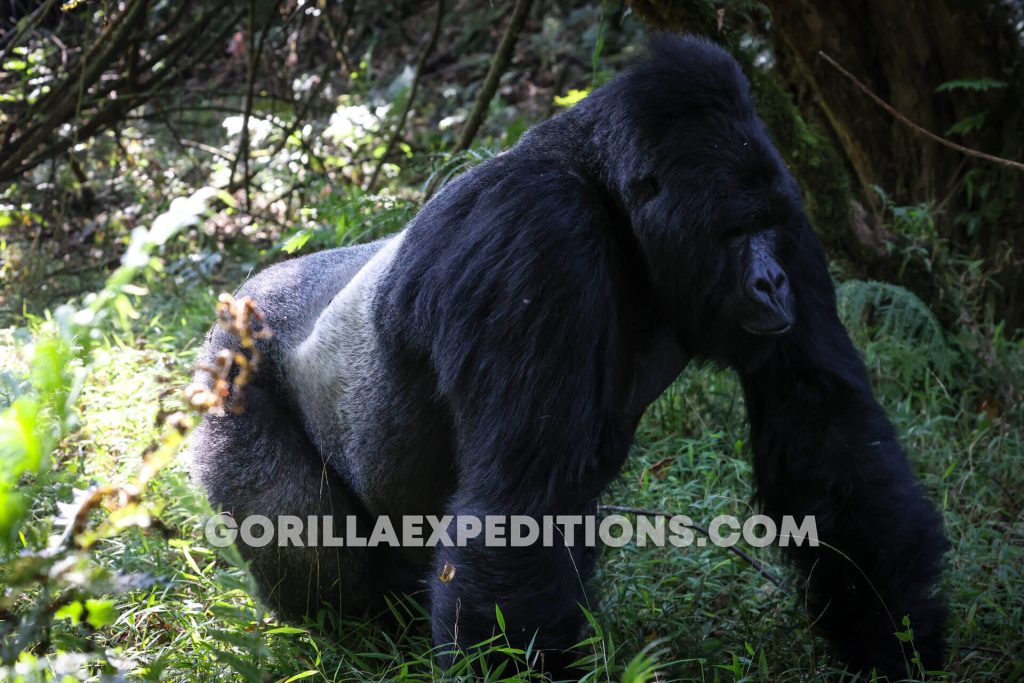
Bwindi is one of Africa’s most ancient rainforests and home to nearly half of the world’s remaining mountain gorillas. The dense vegetation absorbs sound, creating a heavy, muffled silence that feels timeless. When silence falls in Bwindi, it feels sacred, as though the forest itself is observing quietly. This environment heightens awareness and creates powerful emotional experiences for visitors.
Kibale Forest National Park
Kibale is famous for its high concentration of primates, especially chimpanzees. Although the forest is often alive with calls, moments of silence are deeply striking. After loud chimpanzee vocalizations fade, a sudden calm settles, making the forest feel vast and immersive.
Budongo Forest Reserve
Budongo features towering mahogany trees and a more open canopy. Silence here feels balanced and reflective rather than dense. It is an ideal forest for long walks, birdwatching, and quiet observation.
Mgahinga Gorilla National Park
Located within the Virunga volcanic range, Mgahinga offers high-altitude jungle silence shaped by mist, wind, and rugged terrain. The quiet here feels meditative and spiritual, enhanced by dramatic mountain scenery.
The Psychological Impact of Jungle Silence on Humans
One of the most powerful effects of jungle silence in Uganda is its influence on the human mind.

Mental Clarity and Stress Reduction
Modern life is filled with constant noise from traffic, technology, and social interaction. In contrast, Uganda’s jungles provide a natural environment where the brain can rest. Silence reduces mental clutter, lowers stress levels, and improves concentration.
Natural Mindfulness and Presence
The jungle encourages mindfulness without effort. Silence draws attention to breathing, movement, and subtle sensory details. Visitors often become fully present, noticing patterns of light, leaf textures, and distant movements.
Emotional Healing and Grounding
Many people report emotional release and deep calm while experiencing jungle silence. This grounding effect explains why forest therapy and eco-wellness tourism are growing trends in Uganda.
Silence as a Survival Tool for Wildlife
Predator and Prey Dynamics
When a jungle becomes unusually quiet, it often signals danger. Many animals recognize silence as a warning sign of nearby predators. This natural alarm system has evolved over thousands of years.
Subtle Communication Methods
Not all communication is loud. Gorillas rely on low grunts, body posture, and facial expressions. Insects communicate through vibration. Birds use pauses as much as calls. Silence allows these subtle forms of communication to function effectively.
Breeding, Nesting, and Resting
Quiet environments are essential during breeding seasons. Excessive noise can disrupt nesting birds, primates caring for infants, and nocturnal animals resting during daylight hours.
Cultural and Spiritual Meaning of Silence in Uganda
Silence holds deep cultural significance among communities living near forests.
Sacred Forest Beliefs
Some forests are considered sacred spaces where silence shows respect for ancestral spirits believed to inhabit the land. Loud behavior in these areas is traditionally discouraged.
Oral Traditions and Storytelling
In Ugandan storytelling, silence is intentionally used to emphasize meaning. Pauses allow listeners to reflect, mirroring the natural rhythm of the forest.
Living in Harmony With Nature
For many communities, silence represents humility and balance. Speaking softly in the forest is a sign of respect toward nature and wildlife.
Experiencing the Sounds of Silence as a Visitor
Tourists often come to Uganda seeking wildlife encounters, but many leave most affected by moments of silence.
Gorilla and Chimpanzee Trekking Experiences
During trekking activities, guides frequently request silence. These quiet moments increase the likelihood of observing natural animal behavior and create deeper emotional connections.
Guided Forest Walks
Early morning and late afternoon walks offer the richest silence. These times allow visitors to observe the forest in its most intimate state.
Eco-Lodges and Sustainable Camps
Many eco-lodges are designed to preserve natural soundscapes. Minimal lighting, natural materials, and noise restrictions enhance the experience of jungle silence.
Threats to Jungle Silence in Uganda
Noise Pollution
Road construction, machinery, and unregulated tourism introduce artificial noise into fragile ecosystems.
Deforestation and Human Expansion
As settlements expand, forest boundaries shrink, reducing areas of natural quiet.
Climate Change Effects
Changing weather patterns disrupt animal behavior and alter natural sound cycles, reducing periods of silence.
Conservation Through Quiet and Responsible Tourism
Uganda is increasingly promoting responsible tourism practices to protect natural soundscapes.
Low-Impact Tourism Models
Small group sizes, strict trekking rules, and visitor education help preserve silence within forests.
Community-Based Conservation
Local communities play a key role in protecting jungle silence by managing tourism activities and benefiting directly from conservation efforts.
Why the Sounds of Silence in Uganda Truly Matter?
Silence is not emptiness. In Uganda’s jungles, it is a living force that connects ecosystems, wildlife, and people. It allows forests to regenerate, animals to thrive, and humans to reconnect with nature.
In a world dominated by noise, the silence of Uganda’s jungle is rare and valuable. It teaches patience, awareness, and respect, qualities essential for conservation and sustainable living.
Conclusion
The sounds of silence in the jungle in Uganda cannot be fully captured through words, recordings, or photographs. They must be experienced firsthand. They exist in the pause before a bird sings, the stillness after rain, and the calm that settles deep within the forest.
For travelers, conservationists, and nature lovers, Uganda’s jungle silence offers a powerful reminder: nature speaks most clearly when we are quiet enough to listen. Those who truly hear this silence leave changed, carrying a deeper appreciation for the natural world and its fragile beauty.