

Bigogwe Cultural: Rwanda’s Living Heritage and Must-Visit Destination
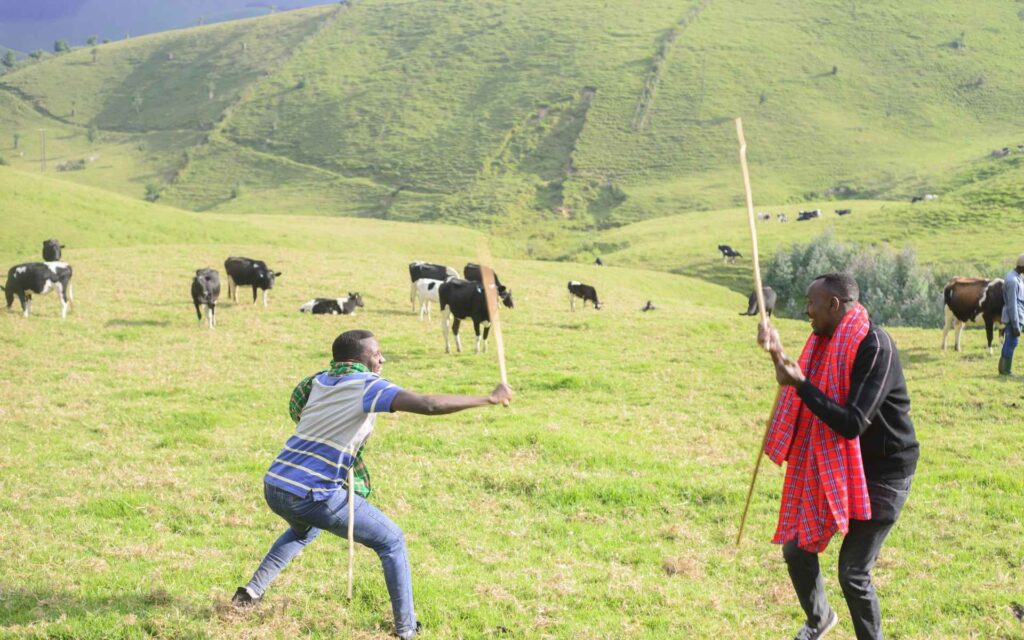
Bigogwe Cultural sits in the Western Province of Rwanda’s Nyabihu District, nestled among lush rolling hills, vivid green pastures, and peaceful valleys. This place defies the ordinary. It brings visitors close to nature, culture, tradition, and deep human connection. More than just a scenic spot, Bigogwe offers a vibrant cultural experience shaped around rural life, cattle heritage, community spirit, and timeless traditions. Every traveler who steps onto its lands leaves transformed, carrying fresh perspectives about Rwanda’s history, values, and heart.
Where Culture Meets Landscape
At first sight, Bigogwe captivates the imagination with gentle hills that seem to stretch forever, brushed in bright green grass that glows under the sun. A slow breeze carries fresh scents of earth, milk, and wild grasses. Quiet streams meander between the hills. Herds of dairy cow’s graze peacefully, creating a pastoral rhythm that dominates daily life here. The scenery alone encourages reflection. It motivates visitors to slow down, breathe deeply, and appreciate the beauty of simplicity.
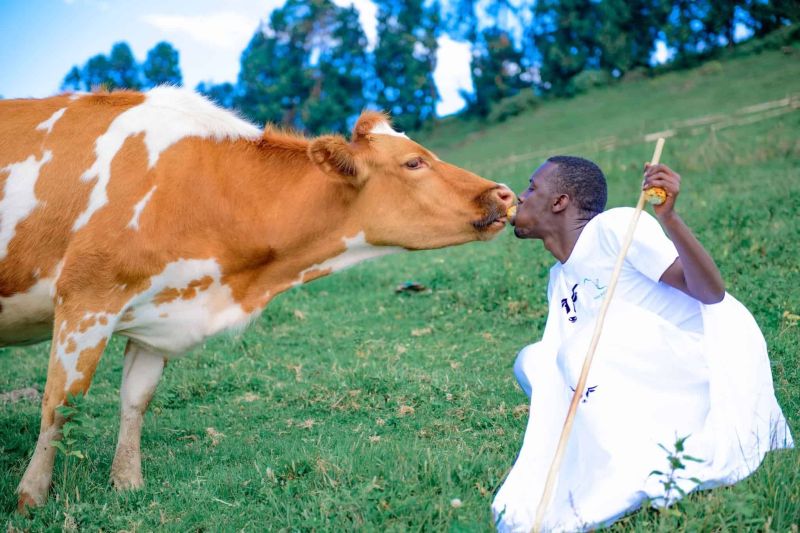
But look closer, and you’ll see that Bigogwe is not just about stunning views. Its landscape merges naturally with culture. Cows, known locally as Inka, hold profound meaning. They serve as symbols of prosperity, pride, and heritage. Here, people don’t simply raise cows; they honor them. This bond echoes across generations.
The Heart of Bigogwe: Cattle and Culture
Bigogwe’s cultural identity revolves around cattle. For centuries, cattle played central roles in Rwandan social life, they linked families, featured in ceremonies, and held symbolic meaning in rituals. In Bigogwe, this tradition lives on palpably. Visitors don’t just observe from a distance. They participate, engage, and learn through hands-on experiences that celebrate this heritage.
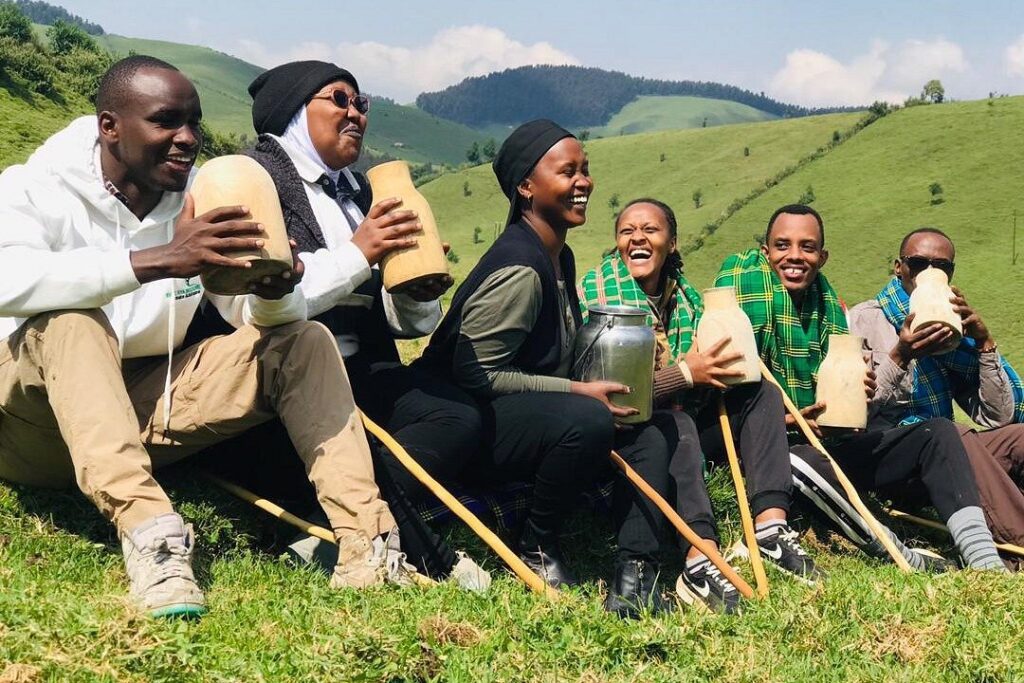
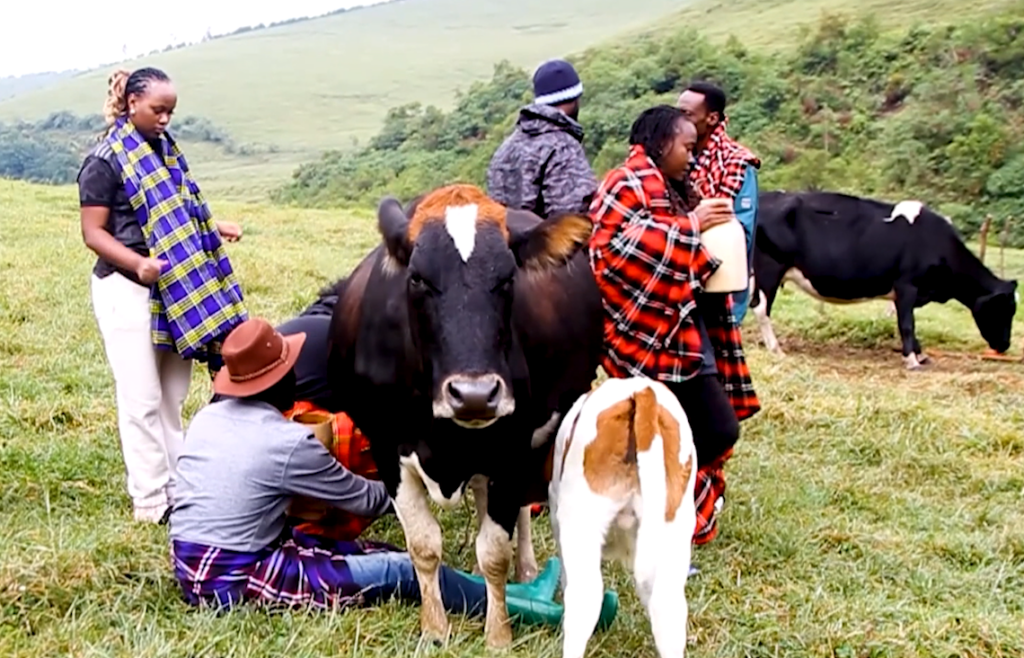
One hallmark experience is the cow milking ritual at sunrise. Visitors wake early, walk through dew-covered pastures, and meet local herders who guide them in hand-milking techniques. These moments reveal the patience, skill, and respect that goes into every milk yield. Once milked, travelers taste the fresh milk — sometimes called Bigogwe cappuccino — directly from traditional containers. The richness and freshness surprise many, especially those used to store-bought milk.
Cow culture extends beyond milking. Locals perform praise songs for cows, known as Kwivugira Inka. These poetic chants narrate the stories of specific cows by name, celebrating their strength and role in family life. Visitors sit under open skies as cowboys (known here as abakuku) sing and recount tales passed down from their ancestors. These songs combine sound, rhythm, emotion, and meaning in a way few other cultural expressions do.
Activities That Define the Bigogwe Experience
Bigogwe invites travelers to abandon passive sightseeing. Instead, it offers activities that immerse, educate, and inspire. Here are the most memorable experiences:
Hand-on Cow Activities
Visitors learn how to approach, calm, and milk cows under expert guidance. They collect milk straight from the udder, then taste it warm from traditional gourds. These interactions deepen appreciation for pastoral life and the value of agricultural work.
Traditional Cowboy Games
Cowboys engage visitors in traditional games like Urukiramende (high jump) and Kunyobanwa (stick challenge). These games test agility, strength, and courage. Travelers try their hand at these activities, laugh with locals, and earn stories they’ll recount for years.
Guided Hikes & Rock Climbing
Bigogwe surrounds an iconic natural feature called Ibere rya Bigogwe, a towering rock that offers both physical challenge and spiritual reward. Guided hikes take visitors through lush trails up to panoramic viewpoints. From the top, guests see mountain ranges and distant horizons that reward every step.
Community Cooking & Traditional Cuisine
The culinary experience in Bigogwe goes beyond taste. Travelers cook and share meals with local families. Dishes like umutima (cassava and cornmeal porridge), ibitoke (grilled plantains), and roasted maize become more than food, they become shared memories. Eating together around a fire builds bonds between guests and hosts, and stories flow with every bite.
Camping Under the Stars
As evening unfurls, tents dot the hillside, and campfires light up the dark. Visitors sit around blazing flames with cowboys and storytellers. They roast maize, sip warm milk from bamboo pots, and listen to tales of ancient ancestors. These nights feel timeless; they reconnect travelers with the rhythms of nature.
Reviving Traditional Wisdom: Inyambo and Identity
In recent years, Bigogwe gained deeper cultural meaning with the reintroduction of Inyambo cows, Rwanda’s majestic long-horned royal breed. Historically reserved for royalty and important ceremonies, these cows symbolize identity, heritage, and pride. Their return to Bigogwe enriches the cultural narrative and adds unique attraction value to the destination. Guests now observe these regal animals grazing freely, a living return to lost tradition.
Inyambo don’t just add visual splendor. They offer a powerful teaching moment. Guides explain the historical importance of Inyambo in rites such as weddings, naming ceremonies, and community gatherings. Visitors grasp how livestock shaped Rwanda’s social structures, values, and relationships.
Why Bigogwe Deserves a Place on Every Traveler’s List
Authenticity Over Tourism Gimmicks
Bigogwe does not mimic culture for the sake of entertainment. It presents real life. Guests live as locals do, waking with the sun, working with hands, sharing meals, and learning through doing. This authenticity resonates in every activity.
Education and Connection
Travelers leave with more than photos. They gain insight into Rwandan values — respect for nature, community cooperation, and reverence for tradition. Children learn vocabulary, elders share proverbs, and visitors ask questions that spark deeper understanding.
Natural Beauty That Inspires
Few landscapes communicate peace like Bigogwe’s hills. At sunrise and sunset, light paints the valleys with warm hues. Hikes reveal hidden views that make travelers pause and reflect. This environment nourishes mind and spirit alike.
Community-Led Tourism
Local guides, families, and cowboys lead every experience. Visitors become part of a shared narrative, not just observers. This kind of tourism uplifts communities and supports traditions that might otherwise fade.
In Conclusion
Bigogwe Cultural in Rwanda stands as a powerful example of how tourism can celebrate heritage, empower communities, and build bridges between worlds. It invites travelers into a world where cows hold stories, hills carry history, and every sunrise offers new lessons. People who visit Bigogwe don’t just see Rwanda, they live it.
If you want authentic culture, breathtaking landscape, meaningful activity, and moments that stir both heart and mind, Bigogwe must sit at the top of your travel list.