

Community-Based Tourism in Uganda: Empowering Local Communities Through Responsible Travel
Community-Based Tourism in Uganda: Uganda has emerged as one of Africa’s strongest destinations for community-based tourism. The country’s rich cultural diversity, abundant wildlife, and welcoming communities create ideal conditions for tourism that benefits local people directly. Community-based tourism in Uganda allows travelers to experience authentic lifestyles while supporting conservation, cultural preservation, and rural development.
Rather than relying on large foreign-owned tourism businesses, many Ugandan communities have taken ownership of tourism initiatives. These projects create jobs, protect natural resources, and give communities a voice in how tourism develops. As travelers seek meaningful and responsible experiences, Uganda’s community-based tourism model continues to grow in importance.
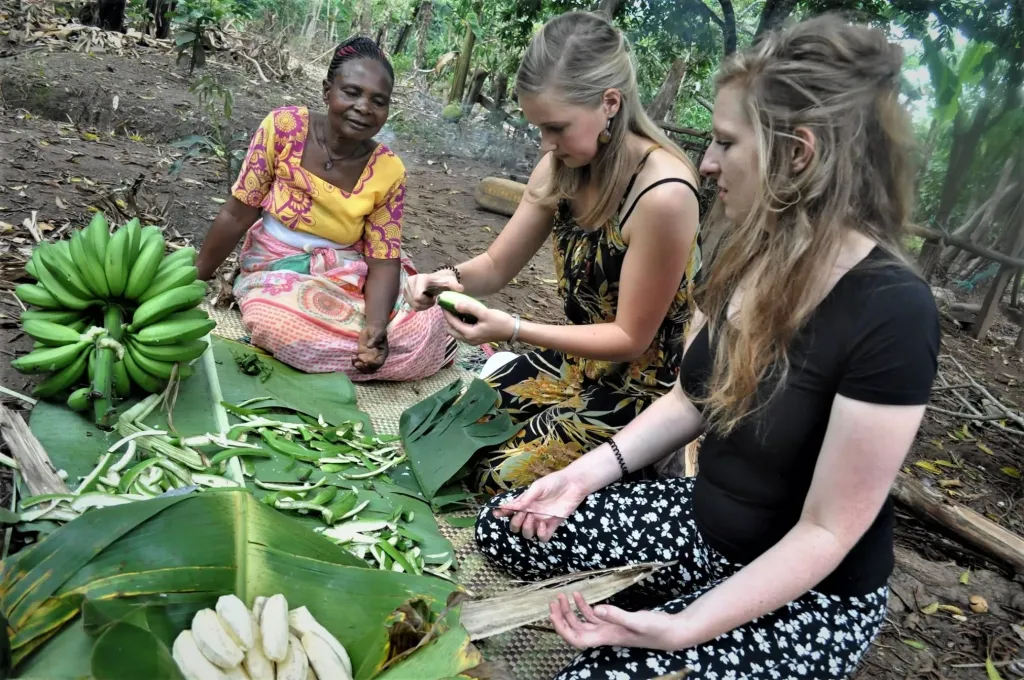
Understanding Community-Based Tourism in Uganda
Community-based tourism in Uganda refers to tourism activities that local communities own, manage, and benefit from directly. Communities decide how tourism operates, what experiences they offer, and how they distribute income.
This approach contrasts with mass tourism, where profits often leave the destination. In Uganda, CBT ensures that tourism revenue supports education, healthcare, conservation, and household income.
Ugandan communities use tourism as a development tool rather than a disruption. Visitors engage with real people, real culture, and real environments.
Why Uganda Is Ideal for Community-Based Tourism
- Uganda offers unique advantages that support community-based tourism:
- Over 50 indigenous ethnic groups with rich traditions
- Diverse ecosystems including forests, lakes, savannahs, and mountains
- Strong community land ownership systems
- Growing interest in responsible and experiential travel
- Support from NGOs and conservation organizations
- These factors allow communities across the country to create tourism experiences rooted in local identity.
Key Examples of Community-Based Tourism in Uganda
Batwa Community Tourism in Bwindi Impenetrable Forest
One of Uganda’s most well-known community-based tourism examples involves the Batwa people near Bwindi Impenetrable National Park. The Batwa, who once lived as forest dwellers, lost access to their ancestral land when the forest became a protected area.
Through community tourism initiatives, the Batwa now share their cultural knowledge with visitors. Experiences include forest walks, traditional hunting demonstrations, storytelling, music, and dance.
Tourism income supports Batwa education, healthcare, and housing. This project also restores dignity and cultural pride while promoting understanding between visitors and indigenous communities.
Bigodi Wetland Sanctuary Community Project
Located near Kibale National Park, the Bigodi Wetland Sanctuary stands as one of Uganda’s most successful community-based tourism models. The local community manages the wetland and offers guided nature walks, birdwatching, and cultural encounters.
Revenue from tourism funds local schools, clean water projects, and healthcare services. The sanctuary protects important wetland ecosystems while creating employment for guides and community members.
Bigodi demonstrates how conservation and community development can work together.
Boomu Women’s Group Near Murchison Falls National Park
Near Murchison Falls National Park, the Boomu Women’s Group runs a community tourism initiative that empowers women through tourism. The group offers cultural performances, village walks, storytelling sessions, and traditional meals.
Women earn income directly from tourism and gain financial independence. The project also strengthens cultural preservation and improves household livelihoods.
Boomu shows how community-based tourism can promote gender inclusion and economic empowerment.
Ruboni Community Camp in the Rwenzori Mountains
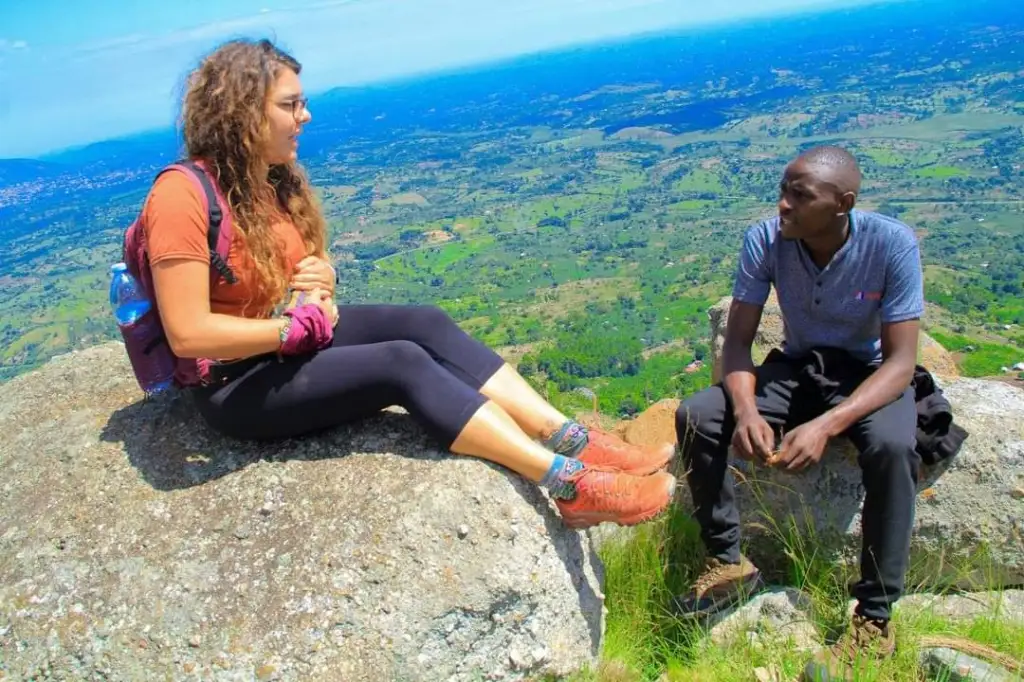
The Ruboni Community Camp sits at the foothills of the Rwenzori Mountains. Local Bakonzo communities operate the camp and provide accommodation, guiding services, and cultural experiences.
Visitors enjoy nature walks, birdwatching, storytelling, and insights into mountain life. Tourism income supports conservation and community projects while reducing pressure on forest resources.
Ruboni Community Camp highlights how CBT supports both tourism and environmental protection.
Lake Bunyonyi Community Experiences
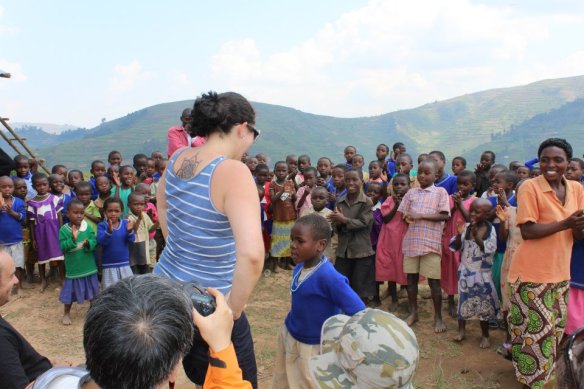
Around Lake Bunyonyi, several communities offer homestays, canoeing experiences, cultural performances, and agricultural activities. Visitors stay with local families and learn about daily life, farming, and traditions.
This form of tourism strengthens cultural exchange and spreads tourism benefits across multiple households. Communities use income to support education and local development projects.
Economic Impact of Community-Based Tourism in Uganda
Community-based tourism creates diverse income opportunities across Uganda. Local people work as guides, cooks, performers, artisans, hosts, and conservation workers.
Economic benefits include:
- Job creation in rural areas
- Support for women and youth
- Reduced dependence on subsistence farming
- Funding for community projects
- Increased household income
- By keeping tourism revenue local, communities gain resilience and economic stability.
Social and Cultural Benefits
Community-based tourism strengthens cultural pride and social cohesion. Ugandan communities actively preserve dances, languages, crafts, and rituals through tourism.
CBT also promotes: Skills development in hospitality and management, Leadership opportunities, Youth engagement, Cultural education for visitors, Communities share their stories on their own terms instead of allowing outsiders to define them.
Environmental Conservation Through CBT
Many CBT projects in Uganda link tourism income directly to conservation. When communities benefit from wildlife and ecosystems, they protect them.
Examples include:
- Wetland and forest conservation
- Reduced poaching and deforestation
- Environmental education
- Sustainable resource use
- Community-based tourism transforms conservation into a shared responsibility.
Challenges Facing Community-Based Tourism in Uganda
- Despite its success, CBT in Uganda faces challenges such as:
- Limited marketing reach
- Infrastructure constraints
- Inconsistent visitor numbers
- Capacity building needs
- Partnerships with NGOs, tour operators, and government agencies help address these challenges.
The Future of Community-Based Tourism in Uganda
Community-based tourism in Uganda continues to grow as travelers seek responsible and authentic experiences. Digital platforms now help communities reach global markets directly.
With continued support, training, and policy backing, CBT can play a major role in Uganda’s sustainable tourism development.
Conclusion
Community-based tourism in Uganda proves that tourism can empower people while protecting culture and nature. Through locally led initiatives, communities earn income, preserve heritage, and share meaningful experiences with visitors.
When travelers choose community-based tourism in Uganda, they support real people, real conservation, and real impact. This model does more than attract visitors—it builds stronger communities and a more responsible tourism industry.