

Exploring the Kabaka’s Palace: A Journey Through Uganda’s Royal History and Cultural Heritage
The Kabaka’s Palace is one of the most important historical and cultural landmarks in Uganda. Located in Mengo, a suburb of Kampala, the palace stands as a powerful symbol of the Buganda Kingdom, one of the oldest and most influential traditional kingdoms in East Africa. For visitors interested in Uganda’s history, culture, politics, and royal traditions, the Kabaka’s Palace offers an unforgettable experience filled with fascinating stories, deep heritage, and emotional historical lessons.
Many tourists visiting Uganda focus mainly on wildlife safaris, gorilla trekking, and natural attractions, yet cultural sites such as the Kabaka’s Palace provide a completely different perspective of the country. A visit to the palace allows travelers to understand the roots of Buganda culture, the significance of traditional leadership, and the historical events that shaped modern Uganda.
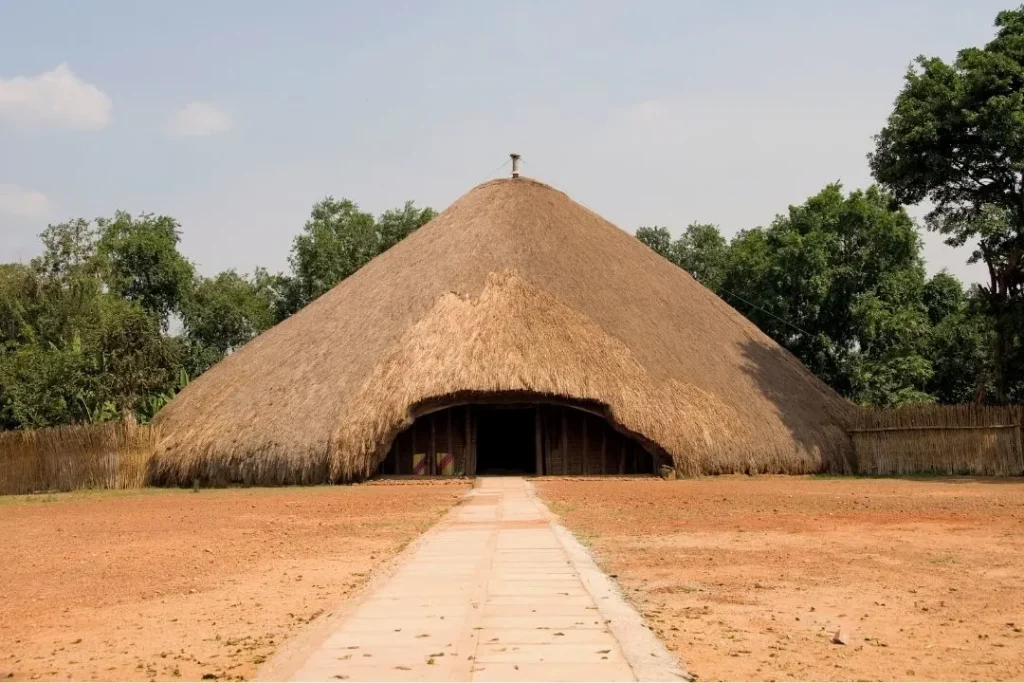
The palace is not only an architectural landmark but also a place connected to important political events, royal traditions, colonial history, and painful memories from Uganda’s past. Every section of the palace grounds carries meaning, and every story shared by local guides reveals another layer of Uganda’s complex history.
The Meaning of “Kabaka” in Buganda Culture
To fully appreciate the importance of the Kabaka’s Palace, it is essential to understand the meaning of the word “Kabaka.” In the Buganda Kingdom, the Kabaka is the king and supreme cultural leader of the Baganda people, the largest ethnic group in Uganda. The Buganda Kingdom has existed for centuries and continues to play a major cultural role even today.
The Kabaka is highly respected among his people and represents unity, tradition, identity, and cultural continuity. Although Uganda is now a republic with a national government, traditional kingdoms such as Buganda remain culturally influential and continue to preserve customs, ceremonies, language, and heritage.
The palace therefore represents much more than a royal residence. It symbolizes the heart of Buganda identity and the enduring relationship between the kingdom and its people.
Location and Accessibility of the Palace
The Kabaka’s Palace is located on Mengo Hill in Kampala, approximately a short drive from the city center. The palace is one of the easiest cultural attractions to access for visitors staying in Kampala or Entebbe.
The road leading to the palace is famously straight and stretches from the palace gates toward the city. According to Buganda tradition, the Kabaka should be able to see directly down the road without obstruction. This symbolic design reflects royal authority and visibility within the kingdom.
The palace grounds are peaceful and beautifully maintained, offering visitors an opportunity to step away from Kampala’s busy streets and experience a quieter environment filled with history and symbolism.
The History of the Kabaka’s Palace
The current Kabaka’s Palace, commonly known as Lubiri Palace, was constructed in 1885 by Kabaka Mwanga II, one of Buganda’s most well-known kings. Kabaka Mwanga ruled during a period of major political and religious change in the kingdom, especially with the arrival of Christian missionaries, Arab traders, and British colonial influence.
The palace quickly became the center of political administration and royal leadership in Buganda. However, over time, the palace also became connected to some of Uganda’s most difficult historical events.
During Uganda’s post-independence political conflicts, the palace was attacked in 1966 under the government of Prime Minister Milton Obote. The attack forced Kabaka Mutesa II, who was also Uganda’s ceremonial president at the time, into exile in the United Kingdom. This event marked a turning point in Uganda’s political history and significantly weakened traditional kingdoms for many years.
Later, during the brutal regime of Idi Amin in the 1970s, sections of the palace grounds were reportedly used as detention and torture chambers by military forces. Today, some of these underground chambers remain preserved and are shown to visitors as part of guided historical tours.
The palace therefore tells both a story of royal pride and a reminder of Uganda’s painful political past.
The Underground Torture Chambers
One of the most emotional and memorable parts of visiting the Kabaka’s Palace is the underground torture chamber located beneath the palace grounds. Many visitors are shocked to learn that this royal site was once transformed into a military detention center during Idi Amin’s rule.
The chambers were originally built as an underground armory by the British colonial government but were later converted into prison cells. Thousands of Ugandans are believed to have been imprisoned, tortured, or killed there during the 1970s.
Guided tours through the chambers provide detailed historical explanations about the victims, political repression, and the fear that existed during Amin’s regime. Visitors often describe this section of the tour as deeply emotional because it reveals a darker side of Uganda’s history that many people outside the country may not fully understand.
Although the experience can be difficult, it also serves as an important educational lesson about human rights, political violence, and national healing.
Architecture and Design of the Palace
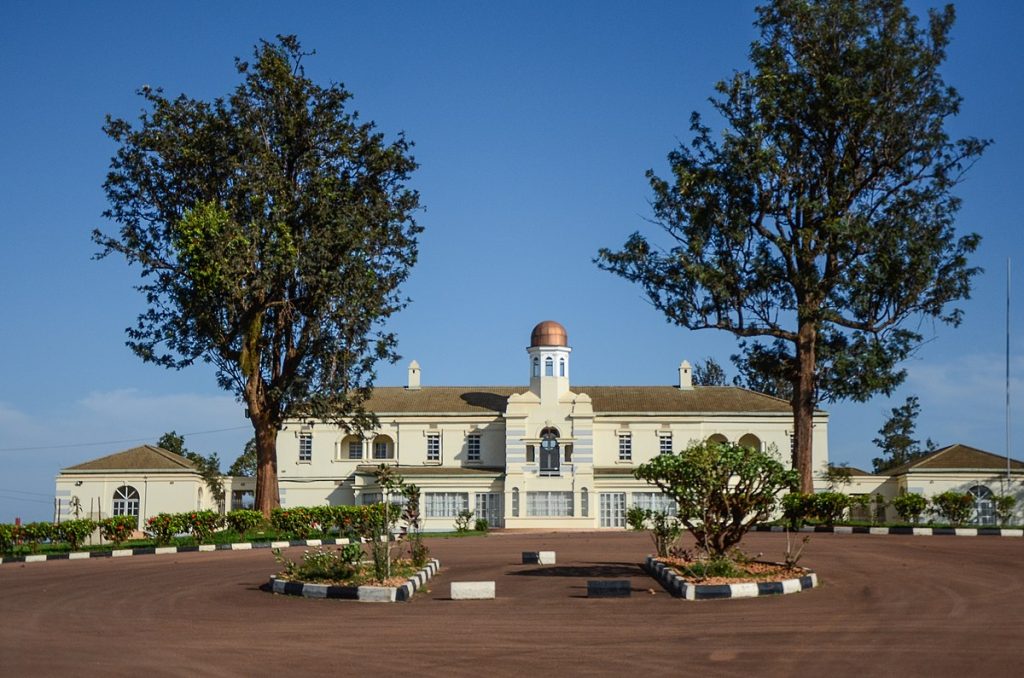
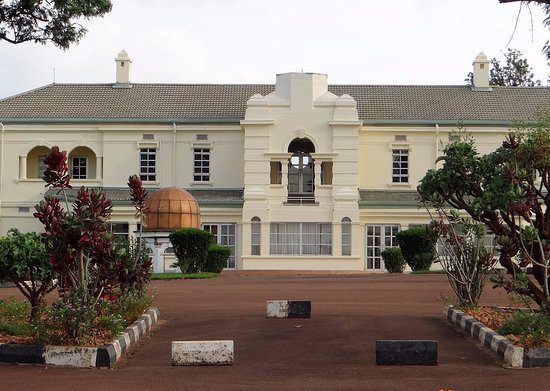
The palace itself combines traditional Buganda symbolism with colonial-era architectural influences. While parts of the original structure have changed over time, the palace grounds still maintain an atmosphere of royal dignity and cultural importance.
One interesting feature is the large open space surrounding the palace. Traditionally, this area was used for royal gatherings, ceremonies, cultural events, and meetings with subjects.
The palace grounds also contain symbolic elements connected to Buganda traditions, including royal drums, ceremonial spaces, and cultural markers that reflect the kingdom’s heritage.
Although visitors are generally not allowed inside certain private royal sections, the guided tour offers extensive explanations about the functions of different areas within the palace compound.
Cultural Importance of the Kabaka’s Palace
For the Baganda people, the palace remains a major symbol of identity and pride. Cultural ceremonies, royal celebrations, and important traditional events are often associated with the palace and the Buganda Kingdom.
The current Kabaka of Buganda, Kabaka Ronald Muwenda Mutebi II, remains highly respected among his people, and the palace continues to serve as an important cultural institution.
Visitors who tour the palace gain valuable insight into how traditional kingdoms continue to exist within modern African nations. The Buganda Kingdom still operates cultural programs, educational initiatives, and community development activities that support local traditions and heritage preservation.
The palace therefore represents both historical continuity and modern cultural relevance.
Visiting the Kabaka’s Palace Today
Today, the Kabaka’s Palace is open to tourists, students, researchers, and anyone interested in learning about Ugandan history and culture. Guided tours are available and are highly recommended because the guides provide detailed historical explanations that help visitors fully understand the significance of the site.
Most tours include:
- The palace exterior and grounds
- Historical explanations about Buganda kings
- Stories about colonial and post-independence Uganda
- The underground torture chambers
- Cultural traditions and royal customs
- Political history connected to the palace
- Photography is allowed in certain areas, although restrictions may apply inside sensitive historical sections.
- Visitors are encouraged to dress respectfully because the palace remains an important cultural and royal site.
Why the Kabaka’s Palace Matters to Uganda
The Kabaka’s Palace is more than simply a tourist attraction. It is a place where culture, politics, tradition, pain, resilience, and identity come together. The palace tells the story of a kingdom that survived colonialism, political conflict, exile, and changing national systems while still maintaining its cultural significance.
For Ugandans, especially the Baganda people, the palace remains a source of pride and historical memory. For international visitors, it offers a deeper understanding of Uganda beyond wildlife and safari tourism.
The site helps travelers appreciate the complexity of Uganda’s history and the strength of its cultural institutions. It also reminds visitors that behind every modern African city lies a long history shaped by kingdoms, colonialism, resistance, leadership, and survival.
Final Thoughts
A visit to the Kabaka’s Palace is one of the most meaningful cultural experiences travelers can have in Uganda. While many attractions focus on wildlife and adventure, the palace provides something equally important: a connection to the country’s history and identity.
From royal traditions and Buganda culture to political struggles and national resilience, the palace tells stories that continue to shape Uganda today. The experience is educational, emotional, and deeply memorable for anyone interested in African history and heritage.
For travelers seeking a richer understanding of Uganda beyond the safari experience, the Kabaka’s Palace stands as an essential destination that reveals the soul of the country through its people, traditions, and historical journey.