

Gorilla Trekking in Rwanda’s Shoulder Season: A Complete Guide to a Greener, Quieter Adventure
Gorilla Trekking in Rwanda’s Shoulder Season: Gorilla trekking in Rwanda delivers one of the most powerful wildlife encounters on Earth. High on the forested slopes of Volcanoes National Park, travelers hike through mist, bamboo, and thick jungle to spend one precious hour with endangered mountain gorillas. Many visitors target the dry season, but experienced safari planners often recommend the shoulder season for a more intimate and vibrant experience.
If you want fewer crowds, dramatic scenery, and strong value without sacrificing the quality of your trek, the shoulder season offers an exceptional opportunity.
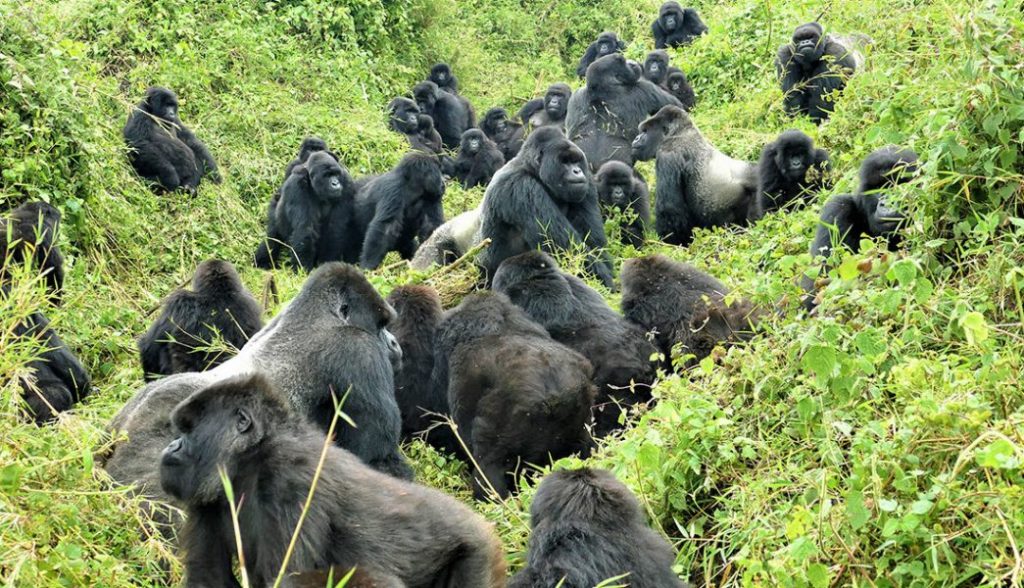
Understanding Rwanda’s Shoulder Season
Rwanda’s climate follows a clear rhythm. The country experiences two dry seasons and two rainy seasons each year. The shoulder season falls between these peak periods:
March to May
October to mid-December
During these months, rainfall increases but does not dominate every day. You will often start your trek under cool morning skies, with clouds clinging to the volcanic peaks. Light rain may fall later in the day, which keeps the forest fresh and alive.
The result feels magical. Mist drifts between giant trees. Ferns glow bright green. The forest floor bursts with life.
Why Trek in the Shoulder Season?
- Fewer Tourists, More Personal Moments
Peak season draws travelers from around the world. Permits sell out early. Lodges operate at high occupancy. Trails feel busier.
In the shoulder season, you notice a calmer rhythm. Smaller groups gather at the park headquarters before sunrise. Rangers deliver briefings in a relaxed atmosphere. Vehicles move steadily toward trailheads without long lines.
When you finally stand face to face with a silverback, the setting feels intimate. You hear birds in the canopy. You sense the slow breathing of the gorillas. The moment belongs to you and the forest.
Spectacular Scenery and Rich Photography
Rain transforms the slopes of the Virunga Mountains into a living tapestry of green. Moss covers tree trunks. Wildflowers bloom along narrow paths. Mist softens the landscape and creates dramatic backdrops.
Photographers appreciate shoulder season conditions. Cloud cover reduces harsh shadows and enhances natural tones. Gorilla fur appears darker and richer against the bright vegetation. Water droplets cling to leaves and add texture to close-up shots.
You do not just see the forest; you feel its energy.
Active Gorilla Families
Mountain gorillas thrive in this environment year-round. Rangers and trackers monitor each habituated family daily. They understand feeding patterns, nesting areas, and group movements.
During wetter months, fresh vegetation grows abundantly at lower altitudes. Gorilla families often feed in these lush zones, which can shorten hiking distances in some cases. Each trek differs, but many visitors appreciate the balance between adventure and accessibility.
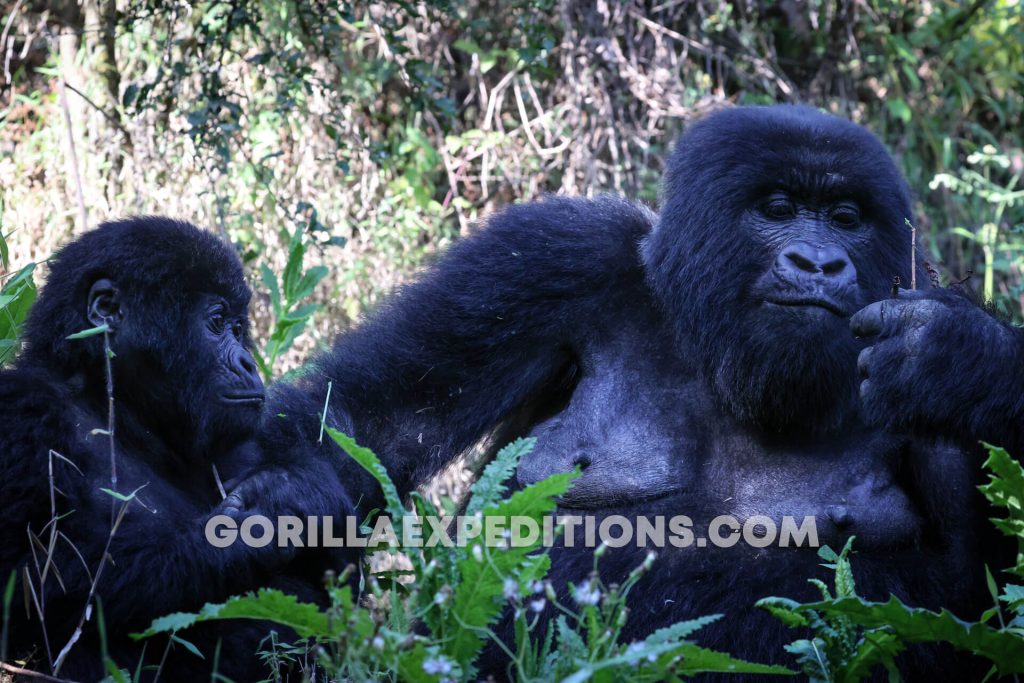
Once you locate the family, you spend a full hour observing natural behavior. Juveniles wrestle and swing through vines. Mothers groom infants. The dominant silverback watches calmly, projecting strength and quiet authority.
No photograph captures the full intensity of eye contact with a wild gorilla.

Better Availability and Competitive Pricing
Shoulder season brings greater flexibility for travel planning. You can secure quality lodge rooms with less pressure. Tour operators often provide more itinerary options. Some properties adjust their rates slightly during these months, which improves overall value.
The trekking permit price remains consistent, but accommodation and transport packages may offer savings compared to peak season. Travelers who book wisely can enjoy high-end comfort without peak-season competition.
What to Expect on Trekking Day?
Your day begins early. You arrive at the park headquarters in Kinigi before sunrise. Rangers divide visitors into small groups and assign each group to a specific gorilla family based on fitness level and preference.
You then drive to the trailhead. The real adventure begins as you step into farmland and transition into thick forest.
Shoulder season trails may feel muddy in certain areas. Rangers cut paths through dense vegetation. You climb gradual slopes, cross small streams, and push through bamboo stands. The forest smells fresh and earthy.
Your guide maintains steady communication with trackers who move ahead to locate the gorillas. Anticipation builds with every step.
Then the signal comes.
You leave backpacks with porters. You approach quietly. The forest opens into a clearing. A massive silverback rests against a tree trunk. A young gorilla rolls playfully through leaves. A mother studies you with calm, intelligent eyes.
For sixty unforgettable minutes, you observe their world. You adjust your breathing. You listen to low grunts and rustling branches. You notice how closely their gestures resemble our own.
That hour changes your perspective forever.
How to Prepare for Shoulder Season Conditions
- Preparation ensures comfort and confidence on the trail. Pack carefully and dress strategically.
- Wear waterproof hiking boots with strong grip.
- Choose lightweight rain gear and quick-dry layers.
- Bring gardening gloves for handling vegetation.
- Carry a small backpack with water and snacks.
- Use a camera with weather protection.
A walking stick, provided at the park, helps with balance on uneven terrain. Many visitors hire a porter, which supports local employment and reduces physical strain.
You do not need extreme fitness, but you should feel comfortable walking for several hours on natural terrain.
Conservation and Community Impact
Rwanda has built a global reputation for conservation leadership. Revenue from gorilla permits supports wildlife protection, anti-poaching patrols, veterinary programs, and habitat preservation. Local communities receive a share of tourism income, which funds schools, health centers, and infrastructure.
When you trek during the shoulder season, you contribute directly to these efforts. Your visit strengthens conservation even during quieter tourism months.
This system creates a powerful cycle: tourism funds protection, protection sustains gorillas, and gorillas inspire global support.
Who Should Choose the Shoulder Season?
- The shoulder season works best for travelers who:
- Prefer quieter, less crowded experiences
- Enjoy dramatic landscapes and misty mountain views
- Value strong photography conditions
- Appreciate flexibility in planning
- Embrace nature in its raw, authentic form
If you require completely dry trails and bright blue skies, peak dry season may suit you better. If you welcome adventure and atmosphere, shoulder season rewards you deeply.
In Conclusion
Gorilla trekking in Rwanda always delivers a profound encounter. In the shoulder season, the experience feels even more immersive. The forest breathes with life. Clouds wrap around volcanic peaks. The air smells clean and wild.
You hike through emerald vegetation. You feel rain on your jacket. You lock eyes with a silverback who commands his domain without fear.
In that quiet exchange, you recognize something ancient and shared.
The shoulder season does not offer perfection. It offers authenticity, beauty, and depth. For many travelers, that combination creates the most meaningful journey of all.