

How to Approach Mountain Gorillas?
How to Approach Mountain Gorillas, there are few wildlife experiences as powerful as standing quietly in a mountain forest while a family of gorillas goes about its daily life just a few meters away. The moment is unforgettable—not because of loud excitement or dramatic action, but because of the calm connection you feel with one of humanity’s closest relatives.
Visiting mountain gorillas is a privilege rather than simply another tourist activity. These critically protected animals live in carefully managed habitats, and every trek is designed to balance tourism with conservation. In order to preserve gorillas’ health, lessen their stress, and guarantee that future generations can have the same amazing experience, it is crucial to know how to approach them appropriately.
Whether you are planning your first gorilla trek in Uganda, Rwanda, or the Democratic Republic of Congo, understanding the correct way to approach mountain gorillas will help you make the most of your adventure while respecting the wildlife that makes it possible.
Understanding Gorilla Behavior
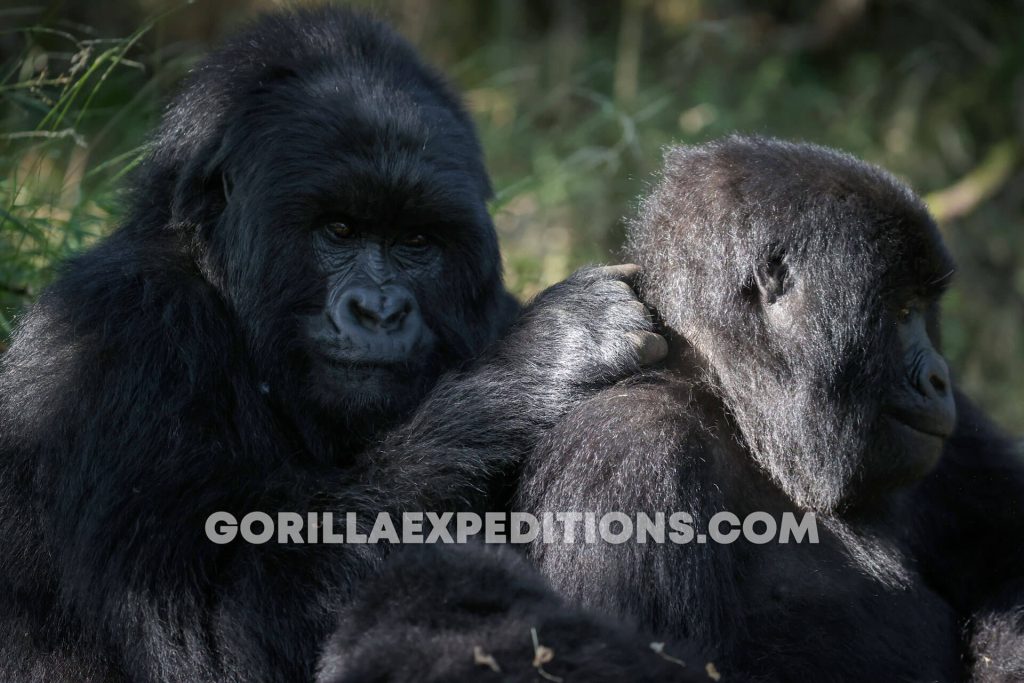
Before entering the forest, it helps to understand that mountain gorillas are naturally peaceful animals. Despite their impressive size, they are generally gentle and spend most of their day feeding, resting, grooming one another, and caring for their young.
A gorilla family is led by a dominant silverback, an adult male distinguished by the silver hair across his back. The silverback is responsible for protecting the group, making decisions about movement, and maintaining harmony within the family
While gorillas are not naturally aggressive toward humans, they can become defensive if they feel threatened. This is why visitors are expected to follow strict guidelines throughout the trek.
Start with the Right Mindset
Approaching gorillas begins long before you see them. The most important thing to bring into the forest is patience and respect.
Unlike visiting a zoo, gorilla trekking takes place in the animals’ natural environment. They choose where to move, when to feed, and how they interact with one another. Visitors are guests in their home.
Accepting this perspective changes, the entire experience. Instead of trying to control the encounter, you become an observer, allowing nature to unfold naturally.

Follow Your Guide’s Instructions
Professional ranger guides spend years learning gorilla behavior and tracking techniques. Their experience is one of the biggest reasons gorilla tourism remains safe for both visitors and wildlife.
The guides will describe how to approach the gorilla family cautiously after they have located them.
The guide understands the mood of the gorillas and can recognize subtle signs that visitors may not notice. Their directions are designed to protect everyone involved.
Approach Slowly and Calmly
As you get closer to the gorillas, your movements should become slower and quieter.
Avoid rushing forward for a better photograph or trying to stand closer than instructed. Slow movement helps the gorillas remain relaxed and shows that you are not a threat.
Walking calmly also allows you to notice details that might otherwise be missed—the sound of leaves being pulled from branches, the quiet communication between family members, or playful young gorillas exploring their surroundings.
The journey becomes much richer when you slow down.
Maintain the Recommended Distance
One of the most important rules during gorilla trekking is maintaining a safe distance from the animals.
Park authorities generally recommend staying at least seven meters (about 23 feet) away whenever possible. This distance helps reduce the risk of transmitting human illnesses to gorillas, whose immune systems are vulnerable to many diseases carried by people.
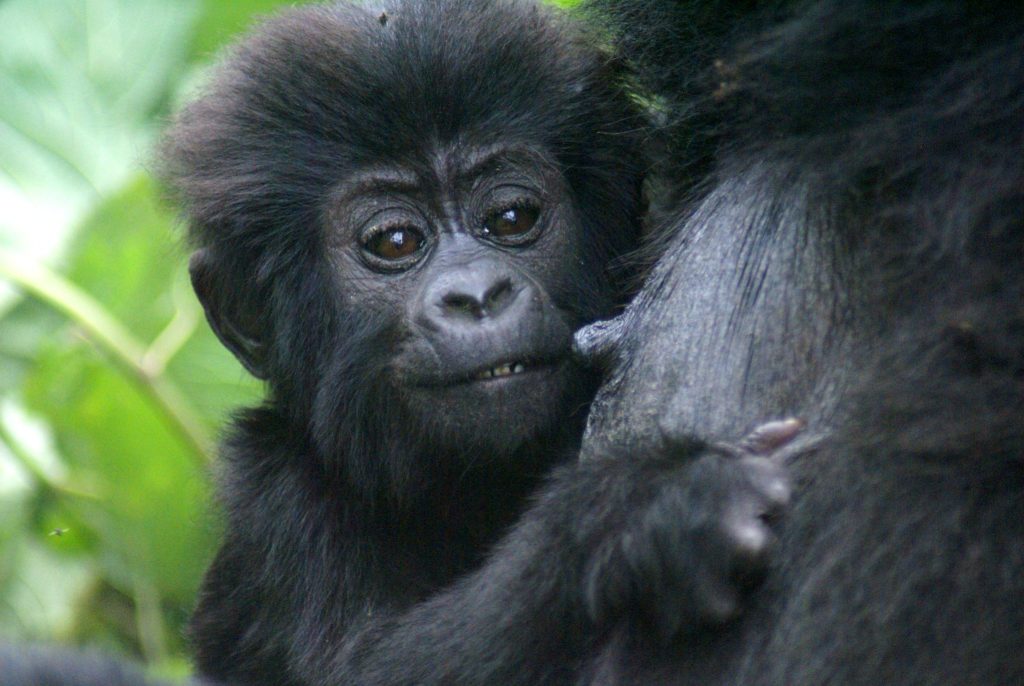
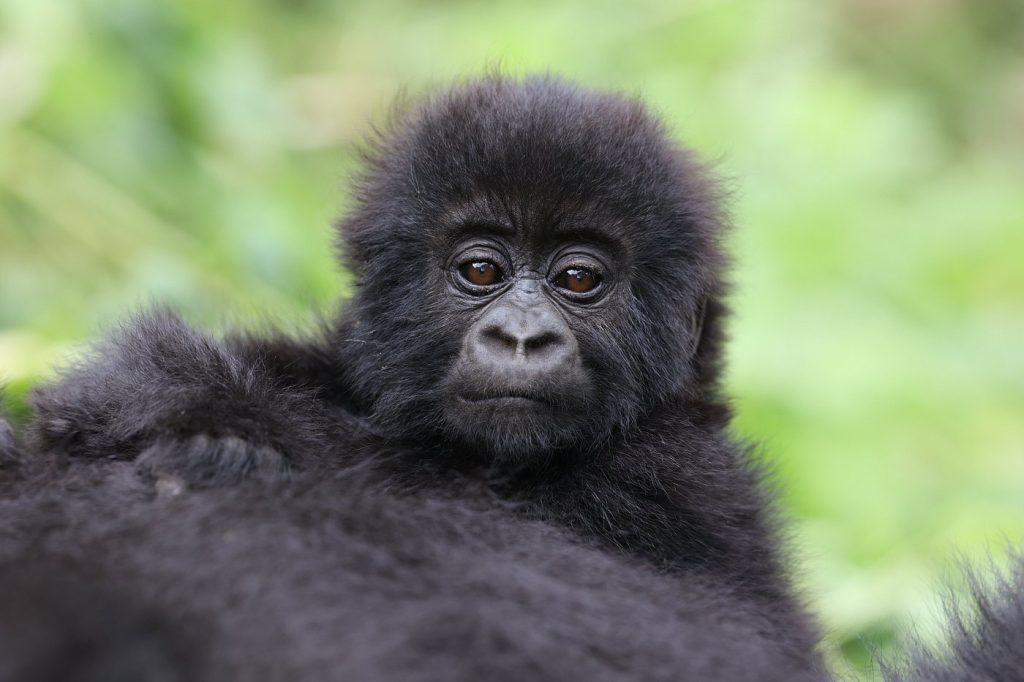
Sometimes curious young gorillas may move closer on their own. If this happens, remain still and allow the guides to manage the situation. Never reach out to touch a gorilla, even if it appears friendly.
The goal is always to let the gorillas control the interaction.
Keep Your Voice Low
Mountain forests are naturally quiet environments. Loud conversations, shouting, or sudden laughter can disturb the gorillas and interrupt their normal behavior.
Speak softly when necessary and enjoy moments of silence.
Many visitors discover that the quiet atmosphere becomes one of the most memorable parts of the experience. Listening to birds, insects, rustling leaves, and distant forest sounds creates a deeper connection with nature than constant conversation ever could.
Avoid Direct Eye Contact with the Silverback
Eye contact means different things in the animal kingdom than it does among humans.
While brief glances are perfectly normal, prolonged direct staring at the silverback can sometimes be interpreted as a challenge.
Instead, observe naturally without locking eyes for long periods. Your relaxed body language communicates that you are not competing for dominance.
Guides often demonstrate the appropriate posture and behavior before visitors approach the gorillas.
Stay Calm During Displays
Occasionally, a silverback may perform what appears to be an intimidating display. He may beat his chest, vocalize loudly, break vegetation, or move quickly toward visitors before stopping.
These displays are often forms of communication rather than actual aggression.
If this happens, remain calm. Avoid yelling, running, or making abrupt motions. Follow your guide’s instructions carefully.
Running can trigger unwanted reactions, while remaining still usually allows the silverback to recognize that you are not a threat.
These straightforward guidelines have helped seasoned guides effectively oversee thousands of gorilla encounters.
Respect the One-Hour Viewing Limit
Most gorilla trekking permits allow visitors to spend approximately one hour with the gorilla family after they are located.
Although many people wish they could stay longer, the time limit exists for an important reason. Limiting human presence helps reduce stress on the gorillas and minimizes opportunities for disease transmission.
Make every minute count by observing behavior instead of focusing only on photographs.
Some of the most meaningful memories come from simply watching family interactions unfold naturally.
Practice Responsible Photography
Photography is an important part of many gorilla treks, but it should never interfere with the animals’ comfort.
Use silent camera settings if available and avoid sudden movements while taking photos.
Flash photography should never be used because the bright burst of light can startle gorillas.
Instead of trying to capture hundreds of images, spend time enjoying the experience directly. Often, the memories formed through observation are stronger than those preserved on a memory card.
Never Eat Near the Gorillas
Food should remain packed away during the viewing experience.
Eating near gorillas may encourage unwanted curiosity and can expose them to unfamiliar foods or human waste.
Similarly, avoid leaving behind any litter, tissues, bottles, or other materials. Everything you carry into the forest should leave with you.
Responsible tourism means leaving no trace behind.
Stay Home if You Are Sick
One of the most important responsibilities of every visitor is protecting gorilla health.
Mountain gorillas share a high percentage of their DNA with humans, making them vulnerable to many human illnesses, including common colds and flu viruses.
If you are feeling unwell before your trek, inform the park authorities. Although postponing your visit may be disappointing, protecting an endangered species is far more important than keeping a travel schedule.
Responsible decisions today help ensure healthy gorilla populations tomorrow.
Appreciate the Bigger Conservation Picture
Every gorilla trekking permit contributes directly to conservation, scientific research, habitat protection, ranger salaries, and community development.
By approaching gorillas responsibly, visitors become active participants in protecting one of the world’s rarest wildlife species.
Respectful tourism has helped demonstrate that living gorillas are far more valuable than threatened wildlife, creating lasting benefits for both conservation and local communities.
Final Thoughts
Approaching mountain gorillas is about much more than getting close enough for a photograph. It is an opportunity to witness one of nature’s greatest success stories while demonstrating respect for an endangered species that depends on careful conservation.
The most rewarding visitors are not those who get the closest but those who leave the smallest impact. Moving slowly, listening to experienced guides, maintaining a safe distance, and observing quietly all contribute to a positive experience for both humans and gorillas.
Long after the trek ends, you may remember the mist drifting through the forest, the gentle curiosity of a young gorilla, or the calm confidence of the silverback watching over his family. Those moments become meaningful because they happen on the gorillas’ terms.
When we approach wildlife with patience, humility, and respect, we leave with something far greater than photographs—we leave with a deeper appreciation for the natural world and our responsibility to protect it.