

Kwitonda Gorilla Family: A Remarkable Mountain Gorilla Group
The Kwitonda Gorilla Family is one of the most fascinating and widely recognized mountain gorilla groups inhabiting the lush volcanic slopes of Volcanoes National Park in northwestern Rwanda, where dense bamboo forests, mist-covered highlands, and rich biodiversity create one of the most important conservation strongholds in the world for the endangered mountain gorilla species, and this particular group has become especially well known among researchers and visitors alike due to its unique transboundary origin, its remarkable adaptation to a new habitat, and its continued contribution to Rwanda’s conservation success story, which has positioned the country as a global leader in wildlife protection and sustainable tourism.
The name “Kwitonda” itself carries deep meaning, as it originates from a revered silverback gorilla who led the group in earlier years and whose legacy continues to define the identity of the family, and although Kwitonda himself has since passed away, the group that bears his name remains active, stable, and carefully monitored, offering valuable insights into gorilla behavior, social structure, and intergroup dynamics in one of the most carefully managed protected ecosystems in Africa.
Origin and Migration History of the Kwitonda Group
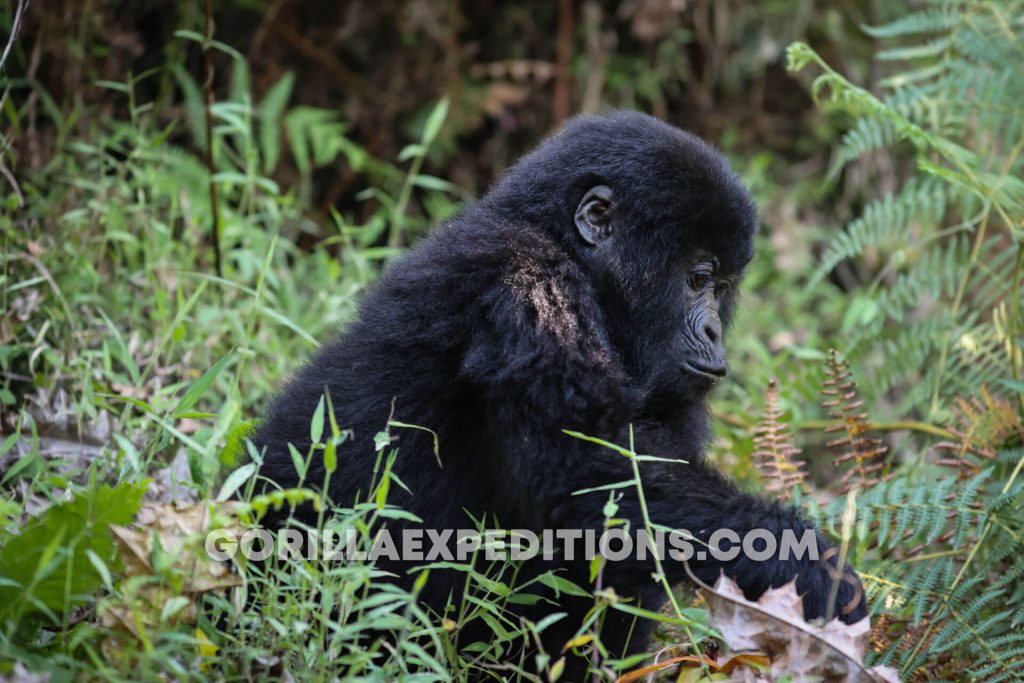
One of the most distinctive aspects of the Kwitonda Gorilla Family is its extraordinary migration history, as this group originally came from what is now Virunga National Park in the Democratic Republic of Congo before crossing the international boundary into Rwanda in the early 2000s, a movement that is highly unusual for mountain gorillas due to their strong territorial behavior and limited home ranges, and this relocation was largely attributed to ecological pressures, competition with other gorilla groups, and the natural dispersal instincts that occasionally lead silverbacks to establish new territories in safer or less competitive environments.
Upon entering Rwanda, the group was carefully observed and gradually habituated by conservation authorities and researchers, a process that required patience and minimal human interference, ensuring that the gorillas could adjust to their new environment while still maintaining their natural behaviors, and over time the Kwitonda family established itself in the slopes of the Sabyinyo region of Volcanoes National Park, where abundant vegetation and relatively stable conditions allowed them to thrive and expand under protection.
Social Structure and Group Dynamics
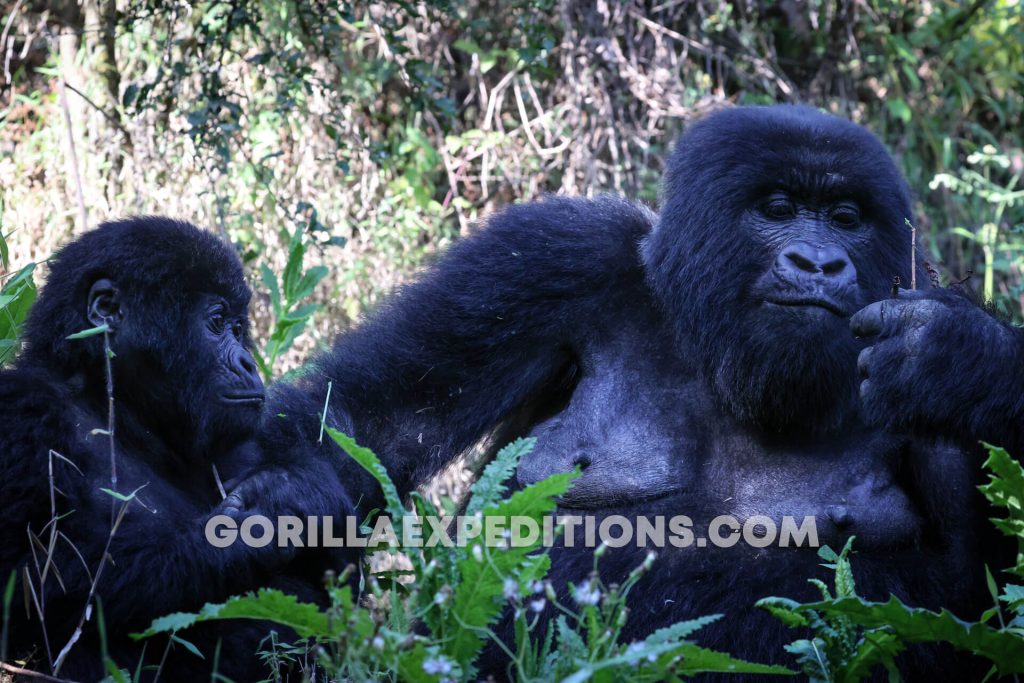
Like all mountain gorilla families, the Kwitonda group is structured around a dominant silverback who plays a central role in maintaining order, mediating conflicts, and protecting the group from external threats, while also guiding movements and decisions regarding feeding and resting locations, and surrounding him is a complex social network that includes adult females, juveniles, and infants, each playing specific roles that contribute to the overall cohesion and survival of the family.
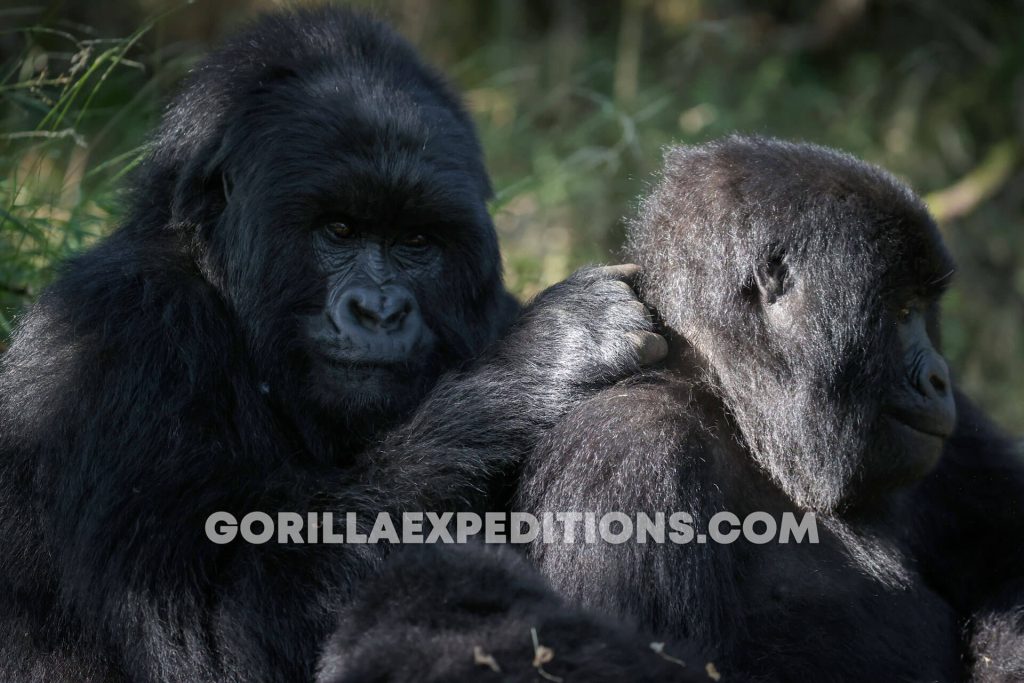
The group’s social life is deeply intricate, characterized by grooming behaviors that reinforce bonds, playful interactions among younger gorillas that support learning and development, and maternal care that is both protective and nurturing, ensuring the survival of infants during their most vulnerable stages, while at the same time, subordinate silverbacks may occasionally challenge leadership or disperse to form new groups, thereby maintaining genetic diversity within the broader mountain gorilla population.
Habitat and Ecological Environment
The Kwitonda Gorilla Family inhabits the rich montane ecosystems of Volcanoes National Park, an area defined by steep volcanic slopes, thick bamboo forests, and high-altitude vegetation zones that provide a constant supply of food resources such as leaves, shoots, stems, and fruits, all of which are essential to the gorillas’ herbivorous diet, and this environment is not only crucial for their survival but also plays a significant role in shaping their daily movement patterns, as they tend to migrate within relatively small home ranges depending on food availability and seasonal changes.
The park itself is part of the larger Virunga Conservation Area, which spans multiple countries and serves as a critical biodiversity hotspot, supporting not only mountain gorillas but also golden monkeys, forest elephants, and numerous bird species, making it one of the most ecologically important regions in Africa, and the presence of the Kwitonda family within this landscape highlights the success of long-term conservation strategies that prioritize habitat protection and cross-border cooperation.
Behavior and Human Interaction
Over the years, the Kwitonda Gorilla Family has become habituated to human presence through controlled ecotourism programs that allow limited numbers of visitors to observe the gorillas at a safe distance under strict guidelines, a process that has significantly contributed to conservation funding while also raising global awareness about the plight of mountain gorillas, and despite this exposure, the group continues to exhibit natural behaviors, including foraging, resting, nesting, and social bonding, demonstrating a successful balance between tourism and wildlife preservation.
Tourists who encounter the Kwitonda family often describe the experience as profoundly moving, particularly when observing the gentle interactions between mothers and infants or the commanding presence of the silverback, whose vigilance and authority ensure group safety, and this close but respectful interaction model has become a cornerstone of Rwanda’s eco-tourism approach, which emphasizes both economic development and environmental responsibility.
Conservation Status and Importance
Mountain gorillas, including those in the Kwitonda family, are classified as endangered species, although their population has shown gradual recovery over recent decades due to intensive conservation efforts, anti-poaching patrols, veterinary interventions, and community engagement programs, and the Kwitonda group itself serves as a living example of how coordinated conservation strategies can support the survival and growth of fragile wildlife populations even in regions that have faced historical environmental and political challenges.
Rwanda’s commitment to protecting its gorilla population has included strict park regulations, revenue-sharing programs with local communities, and international partnerships that support research and monitoring, ensuring that groups like Kwitonda are not only protected from immediate threats but are also studied in ways that contribute to global understanding of primate behavior and conservation science.
Conclusion: The Legacy of the Kwitonda Family
The Kwitonda Gorilla Family stands as a symbol of resilience, adaptation, and successful conservation management, reflecting both the natural strength of mountain gorillas and the effectiveness of human efforts to protect them, and as this group continues to move through the misty forests of Volcanoes National Park, it represents not only a thriving social unit of one of the world’s most endangered primates but also a powerful reminder of what can be achieved when ecological stewardship and scientific commitment come together in harmony for the preservation of life on Earth.