
Rwanda Gorilla Trekking: A Model of Sustainable Tourism and Conservation Success
Rwanda stands at the forefront of sustainable wildlife tourism in Africa. This small landlocked nation has turned its cloud-topped volcanoes and lush rainforests into a world-leading destination for gorilla trekking an experience that combines adventure, purpose, and deep respect for nature. At the heart of this remarkable story lies a simple idea: tourism can save endangered species and uplift local communities when managed responsibly.
A Legacy Born in the Forest
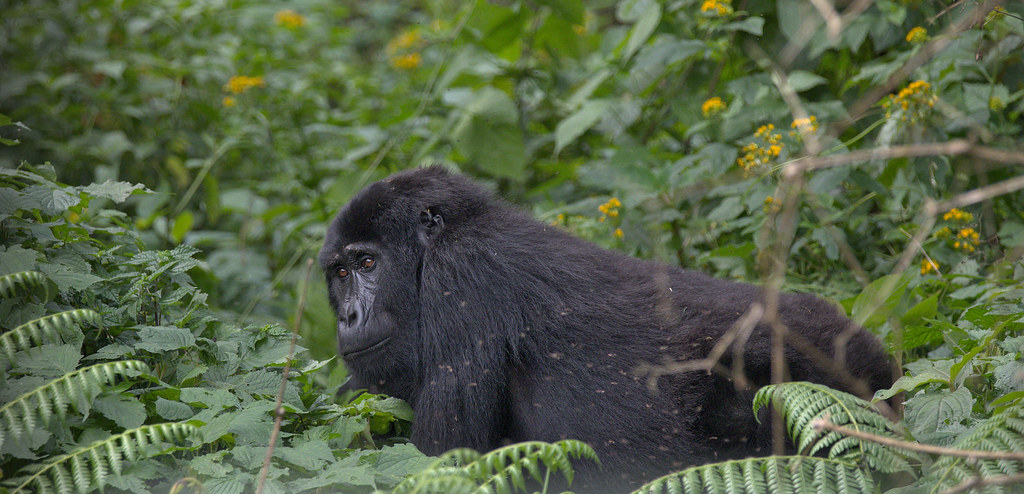
In the misty highlands of northwest Rwanda, Volcanoes National Park protects one of the last strongholds of the mountain gorilla, an ape that once teetered on the brink of extinction. Government agencies, scientists, and communities joined forces decades ago to establish strict protections and introduce controlled tourism as a lifeline for both wildlife and people. Their work paid off. Today, mountain gorilla numbers have increased significantly from the darkest days of decline, and Rwanda’s tourism model attracts global attention for its impact and integrity.
The Gorilla Trekking Experience
Every day, a limited number of visitors gather at the park’s headquarters in Kinigi before sunrise. Trained ranger’s brief trekkers on safety, behavior, ethics, and rules designed to safeguard gorillas and guests alike. Then, small groups set out across fertile forest slopes in search of habituated gorilla families.
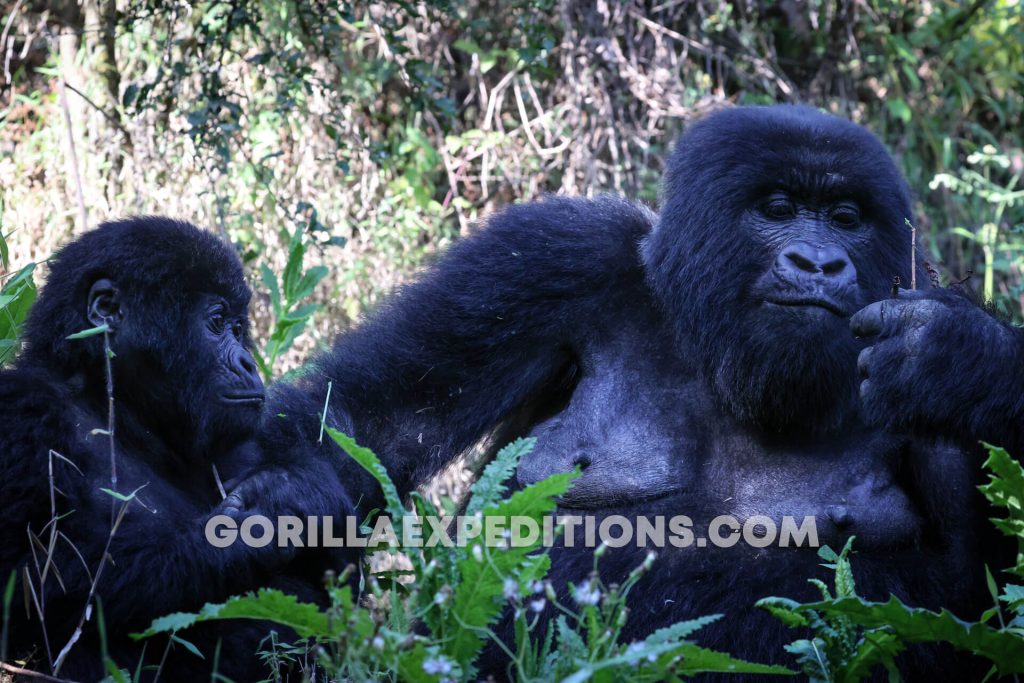
Trails can be steep and muddy. Trekking may take from a couple of hours to most of the day, depending on where the gorillas spent the night, but when trekkers finally spot a family — watchful youngsters playing at their feet, a silverback surveying his domain — the effort becomes unforgettable. Once located, visitors enjoy exactly one hour with the gorillas, observing them feed, groom, and interact among towering bamboo stems.
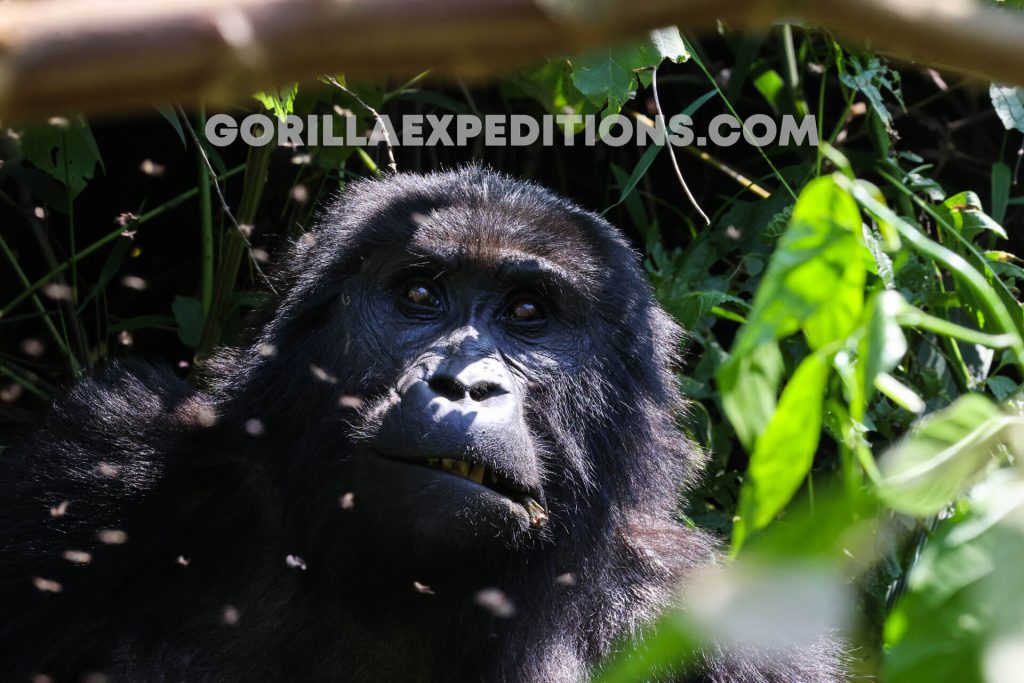
Strict rules guide these moments. Trekkers must keep a minimum distance of seven meters, speak softly, avoid direct eye contact, and never touch the animals. These safeguards protect gorilla health, they share 98% of human DNA and easily catch human illnesses — and preserve their natural behavior.
Eco-Conscious Tourism in Action
Rwanda’s approach to gorilla trekking embodies sustainable tourism: tourism that generates economic value while safeguarding nature and culture.
- Controlled Access and Revenue for Conservation
Permit numbers remain deliberately low. Only a small number of gorilla encounters are available each day, and permits typically sell out months in advance. This scarcity protects the animals from crowd stress and environmental degradation. Revenue from permits goes directly to park management, anti-poaching patrols, habitat protection, research, and veterinary monitoring programs.
In recent years, the government even introduced low-season pricing to broaden access while still funding conservation. These measures ensure that every visit becomes more than a thrill — it becomes vital support for an endangered species.
- Economic Benefits for Local Communities
Rwanda recognizes that conservation thrives when local people benefit from it. A portion of gorilla permit revenue flows into communities bordering the park, funding schools, clinics, clean water projects, and roads. Tourism catalyzes job creation as well: local guides, trackers, porters, lodge staff, cooks, and transport providers earn dependable incomes tied to high-value wildlife tourism.
Women and young adults find new opportunities too. Some former poachers become protectors of the forest, shifting from conflict with wildlife to guardianship that earns respect and wages. Community involvement strengthens both conservation and social cohesion.
- Scientific Monitoring and Health Safeguards
Rwanda integrates scientific research and tourism. Wildlife biologists monitor gorilla health, study group dynamics, and track nutritional patterns. Veterinarians stand ready to intervene if illness threatens a family. This constant vigilance protects not only the gorillas but also the long-term viability of tourism itself.


Cultural and Landscape Richness
Gorilla trekking does not stand alone. Volcanoes National Park rests in a landscape shaped by ancient volcanic peaks, bamboo forests, and verdant valleys. Visitors can weave cultural experiences into their journeys. Homestays in nearby villages offer warm hospitality and insight into Rwandan traditions. Cultural walks, coffee farm tours, and visits to local markets enrich the adventure and highlight how nature and culture coexist here.
From the carved trails around the tomb and research station of Dian Fossey to the mountain peaks that silhouette the horizon, Rwanda blends wildlife and human stories. These layers deepen every trekker’s understanding of why conservation matters and how tourism can support it.
Challenges to Sustainability
No system stays perfect. As mountain gorilla numbers grow, habitat space tightens. Gorilla families sometimes venture near farmland, raising conflict risks. Disease transmission remains a constant threat. While Rwanda has expanded the park’s boundaries and invested in buffer zones, long-term sustainability requires continuous collaboration among governments, scientists, and communities.
Climate change adds pressure too. Altered rainfall patterns can shift vegetation and trail conditions, demanding adaptive management and infrastructure. Still, Rwanda’s commitment to innovation and responsible tourism puts it ahead of many peers in tackling these complex dynamics.


Why Rwanda’s Model Matters Globally
Rwanda’s gorilla trekking success resounds beyond its borders. It proves that thoughtful tourism can revive endangered species, generate valuable income, and transform rural economies without sacrificing ecological integrity. Conservation no longer requires exclusion of humans; instead, it invites people to participate as allies and stewards.
Visitors return home changed. They carry stories of gentle giants and misty forests, but also lessons in balance, respect, and shared responsibility. For Rwanda, every trek is a chance to educate, connect, and protect.
Conclusion: A Trek with Purpose
Gorilla trekking in Rwanda offers more than wildlife viewing. It presents a powerful example of tourism used wisely. Every permit purchased becomes a vote for conservation, a contribution to community development, and a step toward securing a future where mountain gorillas thrive in their ancient forests.
In this small, determined nation, sustainable tourism works because it aligns the needs of nature with the aspirations of people. Travelers do not merely witness Rwanda’s beauty, they become part of the living story that protects it.