

The March of the Zebras in the Serengeti: Nature’s Most Spectacular Migration
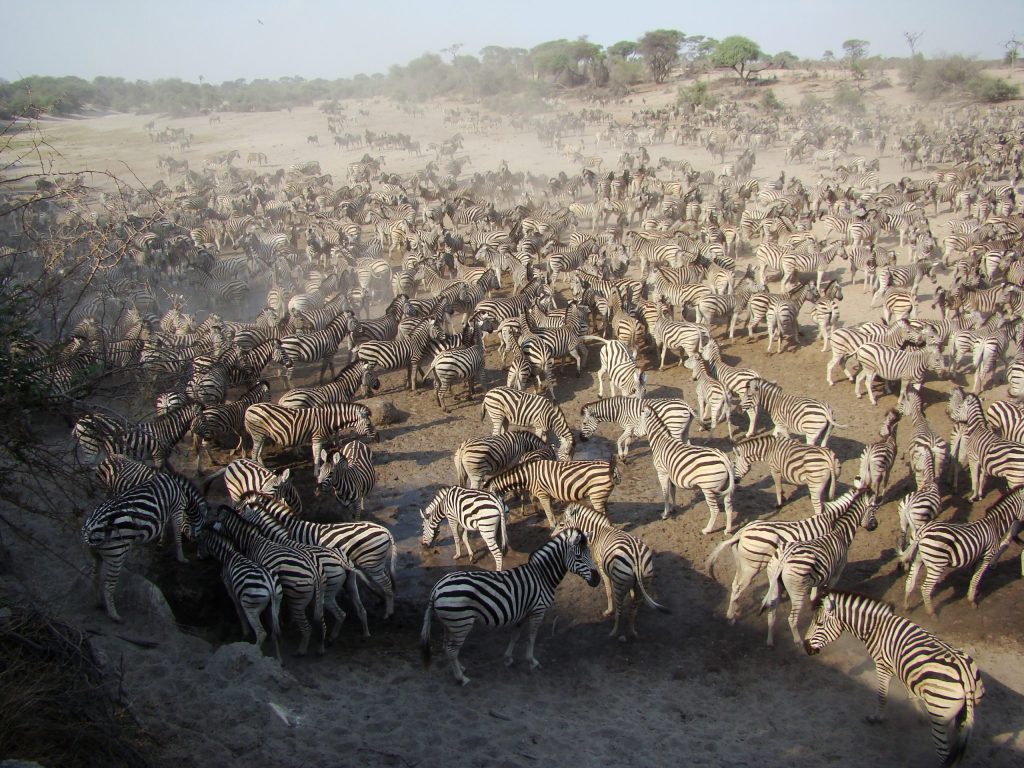
Every year, the Serengeti transforms into a living river of black and white as hundreds of thousands of zebras begin their legendary march across East Africa. This movement does not happen by chance. Instinct, survival, rainfall, and ancient memory guide the zebras across vast plains, dangerous rivers, and predator-filled landscapes. The March of the Zebras stands as one of the most powerful wildlife events on Earth and a defining chapter of the Great Migration.
Travelers, conservationists, and wildlife lovers flock to the Serengeti to witness this extraordinary journey. The sight of zebras stretching across the horizon, hooves pounding the earth in unison, creates a moment that stays etched in memory forever.
This article explores the March of the Zebras in the Serengeti in detail, its timing, routes, survival strategies, ecological importance, and why it remains one of Africa’s greatest natural wonders.
Understanding the March of the Zebras
The March of the Zebras forms the opening act of the Great Migration. Over 300,000 plains zebras lead the movement, followed closely by wildebeest and gazelles. Zebras take the lead because they rely on tougher grasses and prepare the land for other grazers.
Unlike random animal movement, this march follows a precise seasonal rhythm. Zebras move in response to rainfall patterns that dictate grass growth across the Serengeti ecosystem. Fresh grass provides nutrients essential for lactating mothers and growing foals.
Zebras do not migrate alone. They move in massive herds that stretch for kilometers. Each animal plays a role in herd awareness, predator detection, and route memory.
When the March of the Zebras Begins
The March of the Zebras typically begins between December and March. During this period, the southern Serengeti and the Ndutu region receive short rains that trigger fresh grass growth.
March holds special importance because: Foals gain strength after calving season, Grass begins to dry in the south, Herds prepare to move northwest toward permanent water
By late March, zebras start pushing northward in long, determined columns. They leave behind the calving grounds and begin a journey that spans hundreds of kilometers.

Why Zebras Lead the Great Migration
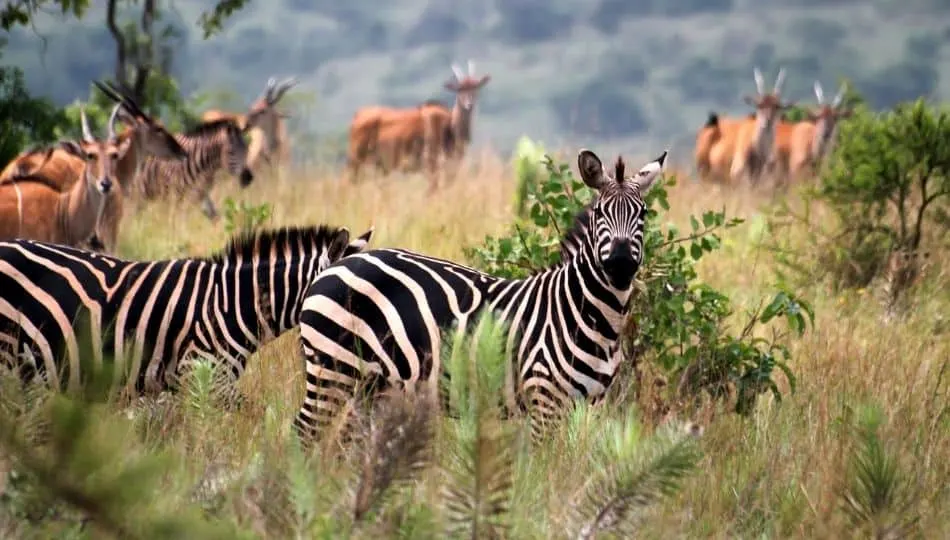
Zebras play a critical leadership role during the migration. Their digestive systems allow them to consume coarse grasses that other herbivores avoid. As zebras graze, they trim tall, rough grass and expose tender shoots underneath.
This grazing strategy benefits wildebeest and gazelles that follow behind. Without zebras, the Great Migration would lose its natural rhythm.
Zebras also possess exceptional memory. Older mares remember migration routes, water points, and safe crossings. They follow paths passed down through generations, even when landscapes change.
The Migration Route Across the Serengeti
The March of the Zebras covers an enormous area that includes: Southern Serengeti, Ndutu plains, Central Serengeti, Western Corridor, Northern Serengeti, Maasai Mara in Kenya
In March, zebras begin moving from the Ndutu region toward central Serengeti. They navigate open plains, woodlands, and river systems while facing constant danger from predators.
The journey demands endurance. Zebras walk for hours each day, often under intense heat. Foals keep pace despite their young age, relying on herd protection.
Predator Encounters During the March
Predators track the March of the Zebras closely. Lions, hyenas, cheetahs, and crocodiles all depend on the migration for survival.
Zebras counter this threat with strength in numbers. Herds maintain constant awareness. Individuals alert each other through body language, snorts, and sudden movement.
Lions often target weaker or injured animals, but zebras fight back when necessary. A single kick from a zebra can kill a lion. This ability gives zebras a fighting chance and earns them respect among predators.
The Role of Rain and Grass
Rain controls every step of the March of the Zebras. Fresh rain brings new grass, and zebras follow that growth instinctively.
Grass provides more than food. It delivers moisture, minerals, and energy. Without fresh grazing land, the herds would face starvation and disease.
Zebras often split into smaller groups during dry stretches, then regroup when conditions improve. This flexible movement increases survival across unpredictable seasons.
Zebra Social Structure During Migration
Zebra society revolves around strong family units called harems. Each harem includes: One dominant stallion, Several mares, Their offspring, Stallions defend their families fiercely during the march. They chase off rivals and protect foals from danger.
Multiple harems combine into large herds during migration. This structure balances family bonds with collective safety.
Foals and Survival on the March
Zebra foals face enormous challenges during the migration. They must learn to walk, run, and recognize their mothers within days of birth.
Mares use scent, sound, and visual cues to bond with their foals. Foals imprint on their mother’s stripe pattern, which helps them identify her within crowded herds.
The success of the March of the Zebras depends heavily on foal survival. Each year, thousands of foals join the journey and strengthen future generations.
Ecological Importance of the March of the Zebras
- The migration shapes the Serengeti ecosystem in powerful ways:
- Grazing prevents grass overgrowth
- Hoof action fertilizes soil
- Nutrient cycling improves plant diversity
- Predator populations remain balanced
- Without the March of the Zebras, the Serengeti would lose its ecological harmony. The land and wildlife evolved together over thousands of years.
Best Time to Witness the March of the Zebras
- March offers one of the best opportunities to see zebras on the move. Visitors can witness:
- Massive herds traveling across open plains
- Predator interactions
- Dramatic landscapes after rainfall
- Fewer crowds than peak river-crossing season
- The Ndutu and central Serengeti regions provide excellent viewing during this time.
Why the March of the Zebras Captivates the World?
The March of the Zebras represents resilience, memory, and survival. These animals march not because they choose adventure, but because life demands movement.
Their journey reflects nature’s perfect balance—danger and reward, instinct and learning, strength and vulnerability.
Every hoof beat echoes an ancient rhythm that still shapes Africa today.
In Conclusion
The March of the Zebras in the Serengeti stands as one of the planet’s greatest wildlife spectacles. It combines scale, drama, and purpose in a way few natural events can match.
By understanding this journey, we gain respect for the fragile systems that support life on Earth. Protecting the Serengeti ensures that future generations will continue to witness the thunder of hooves and the endless black-and-white horizon.