

The Mystical River Nile in Uganda: Where Time, Spirit, and Water Become One
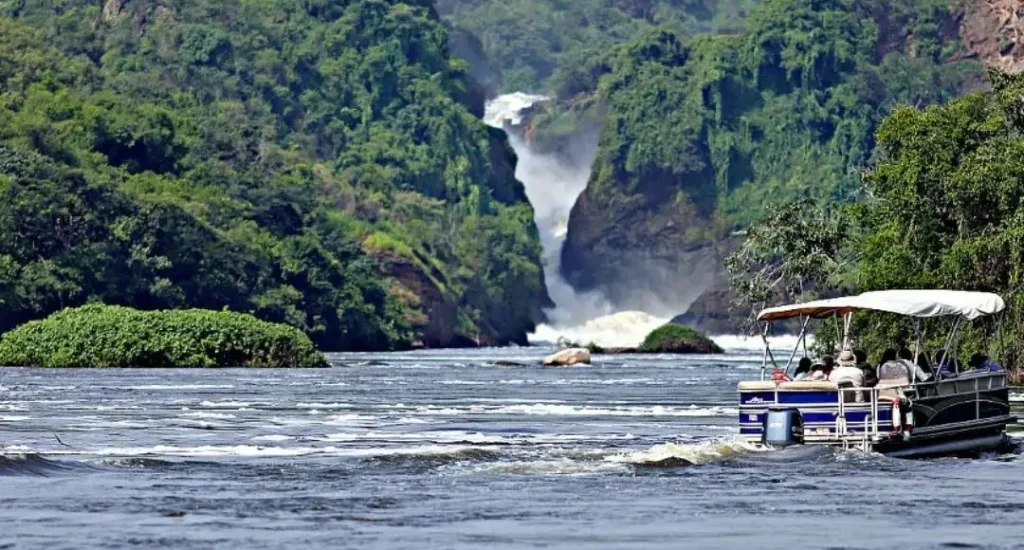
In Uganda, the River Nile is not simply a geographical feature or a famous name on a map. It is a living legend, a sacred passage of water that carries history, mystery, and life itself. Before the Nile becomes the backbone of ancient civilizations and the lifeline of distant lands, it is born quietly in Uganda — flowing with a sense of purpose that feels almost spiritual. To encounter the Nile here is to stand at the beginning of an eternal journey, where nature whispers stories older than memory.
The Sacred Beginning of a Timeless River
The Nile’s journey begins in Uganda as Lake Victoria releases its waters northward. This moment is deceptively calm. There is no dramatic roar, no sudden spectacle — just a steady flow, unassuming yet resolute. And yet, this gentle beginning carries unimaginable significance. From this point, the river will travel thousands of kilometers, sustaining ecosystems, shaping empires, and inspiring myths across continents.
For centuries, the source of the Nile puzzled explorers and scholars alike. Many believed such a powerful river must begin in a place equally dramatic. Uganda defies that expectation. Here, the Nile teaches an early lesson: true power does not always announce itself loudly.
A River Wrapped in Myth and Spiritual Meaning
Among the communities living along its banks, the Nile has always been regarded as more than water. It is spirit, ancestor, and guardian. Oral traditions speak of unseen forces dwelling within the river — protectors of fishermen, bringers of rain, and keepers of balance between humanity and nature.
Elders tell stories of rituals once performed at dawn, offerings made to honor the river’s generosity. Even today, there is a quiet reverence when locals approach the Nile. People speak softly near its waters, not out of fear, but respect. The river listens, they say, and it remembers.
Jinja: Where the Nile Awakens
As the Nile leaves Lake Victoria and flows through Jinja, its character begins to change. The calm surface tightens, currents strengthen, and the river seems to awaken from meditation. Jinja stands as a meeting point between ancient mystery and modern energy, where tradition coexists with adventure.
Here, the Nile becomes playful and wild. Rapids form, waves crash against rock, and the river reveals a restless spirit. Kayakers, rafters, and explorers are drawn to this energy, seeking connection through movement and challenge. Yet beneath the thrill lies something deeper — a sense that this river has always been alive, simply waiting to be felt.

The River as a Way of Life
Far beyond tourism and adventure, the Nile remains central to daily life in Uganda. Villages rise along its banks, shaped by its rhythms. Fishermen begin their day before sunrise, reading the water as carefully as a book. Farmers depend on the river’s seasonal behavior, trusting its floods to renew the soil.
The Nile dictates time in ways clocks never could. Its flow determines when nets are cast, crops are planted, and stories are shared by firelight. Generations have grown up listening to the river at night, its steady movement a lullaby that binds past and present together.
Wildlife and the Silent Language of the River
The mystical quality of the Nile is amplified by the life it supports. Along its course, the river becomes a sanctuary. Hippos rise from the water at dusk like ancient spirits, their silhouettes haunting against the fading light. Crocodiles lie still for hours, embodiments of patience and power.
Birdlife flourishes in abundance — kingfishers flashing blue and orange, fish eagles calling across the water, herons standing motionless as statues. Each species seems attuned to the river’s mood, responding to its changes with instinctive precision. The Nile speaks without words, and nature listens.
Murchison Falls: The Nile’s Roaring Transformation
Perhaps nowhere is the mystique of the Nile more dramatic than at Murchison Falls. Here, the river is forced through a narrow rock gorge, compressing immense volume into explosive energy. What was once calm becomes thunder, shaking the earth and filling the air with mist.
Standing near the falls is a sensory experience that borders on the spiritual. The sound is overwhelming, yet cleansing. The spray cools the skin, the vibrations settle into the bones. It is a reminder that the Nile contains both serenity and fury — creation and destruction in perfect balance.
Echoes of Exploration and Forgotten Footsteps
The Nile in Uganda carries the echoes of those who once sought to understand it. Early explorers followed its course with obsession and desperation, driven by curiosity and ambition. Many never returned. Their stories remain woven into the river’s mythology, blending fact and legend.
Walking along the Nile today, it is easy to imagine the awe those explorers felt. Despite modern knowledge, the river still resists full understanding. It does not reveal everything at once. It invites patience, humility, and listening — qualities often lost in the modern world.
The Nile and the Passage of Time
What makes the Nile truly mystical is its relationship with time. It flows endlessly, unchanged in essence yet constantly reshaping itself. Empires have risen and fallen along its path, but the river remains. It remembers everything without holding onto anything.
In Uganda, this timeless quality feels especially present. The river has seen ancient rituals, colonial encounters, independence struggles, and modern development. Through it all, the Nile continues its journey, indifferent to human divisions yet deeply intertwined with human existence.
Conservation: Protecting a Living Legend
Despite its resilience, the Nile faces growing threats. Pollution, climate change, deforestation, and dam construction challenge its delicate balance. In Uganda, conservation efforts aim to protect wetlands, promote sustainable livelihoods, and ensure the river remains alive for generations to come.
Protecting the Nile is not just about preserving water. It is about safeguarding culture, memory, and identity. To lose the river’s health would be to lose part of humanity’s shared heritage.
A Personal Encounter with the River
Many who visit the Nile in Uganda speak of an unexplainable connection. It is felt in quiet moments — sitting at the riverbank as the sun sets, watching light dance on moving water. Thoughts slow. Perspective shifts. The river seems to remind visitors of something forgotten yet familiar.
It does not demand attention. It simply flows, inviting those who are willing to pause and listen.
Conclusion
The mystical River Nile in Uganda is not defined by its length or fame, but by its spirit. It begins softly, flows powerfully, and carries stories beyond borders. It teaches that beginnings matter, that patience holds strength, and that life moves forward whether we are ready or not.
To stand at the Nile’s source is to witness the quiet birth of greatness. It is a reminder that the world’s most extraordinary journeys often start in silence — with water, with earth, and with time.