

Understanding the Waiver of Yellow Fever Vaccination
Understanding the Waiver of Yellow Fever Vaccination: Yellow fever remains one of the most serious mosquito-borne viral diseases in tropical regions of Africa and South America. For decades, countries have required travelers to present proof of yellow fever vaccination before entry, especially when arriving from areas considered high-risk. However, not every traveler is medically able to receive the vaccine. In such situations, a yellow fever vaccination waiver becomes an important alternative that allows travel while protecting the individual’s health.
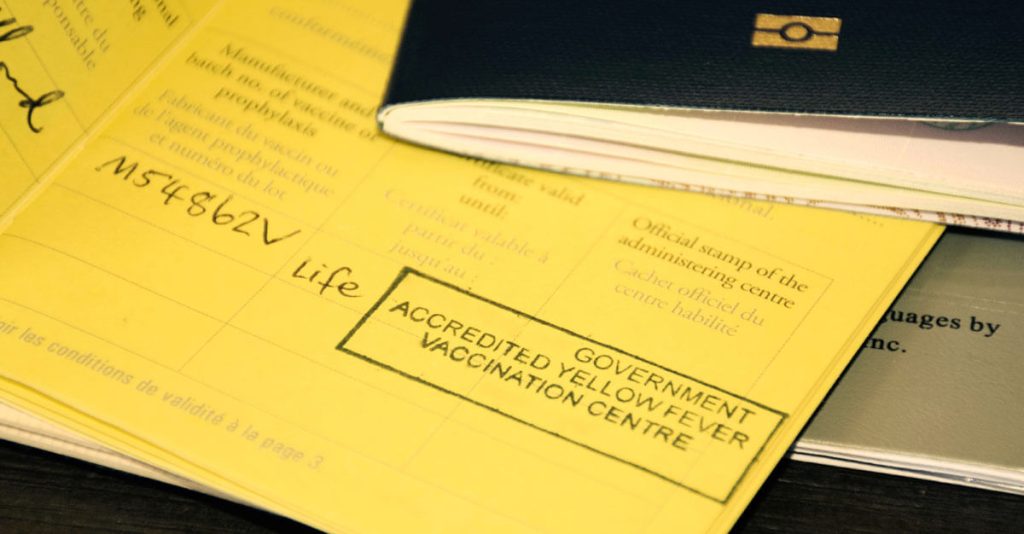
What Is a Yellow Fever Vaccination Waiver?
A yellow fever vaccination waiver, also known as a medical exemption certificate, is an official document issued to a traveler who cannot safely receive the vaccine because of specific medical conditions. The waiver explains that the person has a valid medical reason for not being vaccinated and requests immigration or health authorities to permit entry without proof of vaccination.
The yellow fever vaccine is highly effective and is widely regarded as the best protection against the disease. According to the World Health Organization and the Centers for Disease Control and Prevention, a single dose usually provides lifelong immunity. Even so, healthcare professionals recognize that the vaccine is not suitable for everyone. Some individuals may experience serious side effects if vaccinated, making medical exemptions necessary in certain circumstances.
Medical Reasons for Vaccine Exemptions
Severe Allergic Reactions
One of the main reasons a waiver may be issued is severe allergy to vaccine ingredients. The yellow fever vaccine is produced using egg proteins, which means individuals with severe egg allergies may face dangerous allergic reactions after vaccination. Doctors therefore carefully assess such travelers before approving immunization. If the risk is considered too high, a medical waiver is provided instead.
Weakened Immune Systems
Another common reason for exemption involves weakened immune systems. People receiving chemotherapy, organ transplant recipients, individuals taking immunosuppressive medication, or those with certain immune disorders may not be able to safely receive live vaccines like yellow fever. Since the vaccine contains a weakened live virus, administering it to immunocompromised individuals may lead to severe complications. Health authorities therefore allow certified medical waivers for these travelers.
Age-Related Concerns
Age is also considered during vaccination decisions. Infants younger than six months are generally not allowed to receive the vaccine because their immune systems are still developing. In older adults, especially those above sixty years of age, doctors often perform careful risk assessments before vaccination because rare but serious reactions may occur more frequently in this age group.
Pregnancy and Temporary Exemptions
Pregnant women may also qualify for temporary exemptions under specific circumstances. Physicians usually evaluate whether the risk of exposure during travel outweighs the potential risk associated with vaccination during pregnancy. If travel is unavoidable and vaccination is not recommended, a waiver may be issued alongside advice on mosquito protection measures.
How to Obtain a Yellow Fever Waiver?
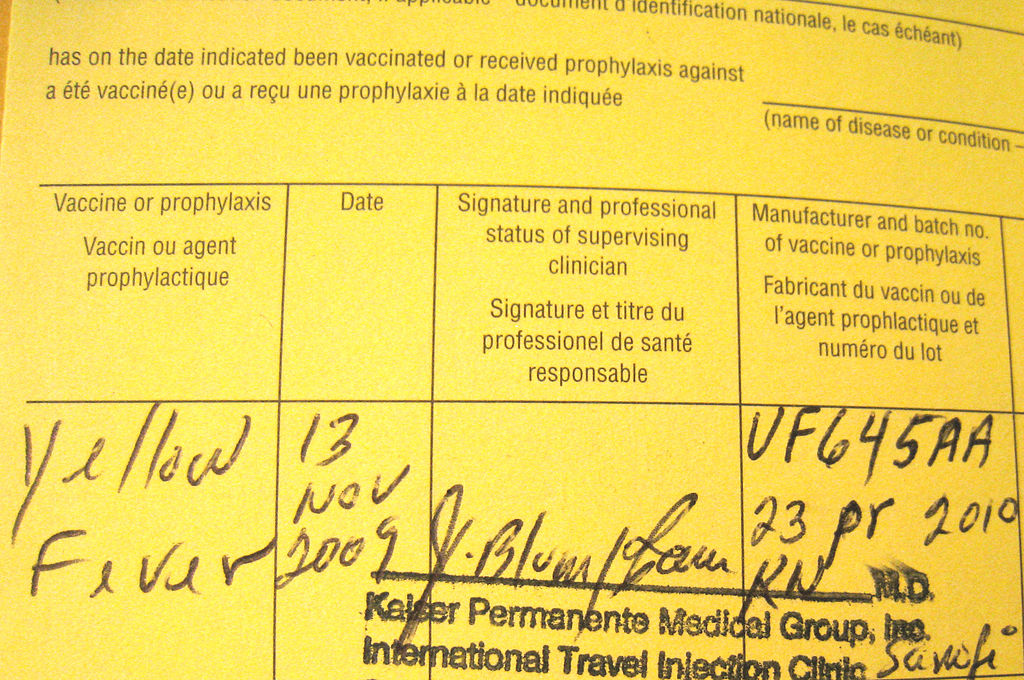
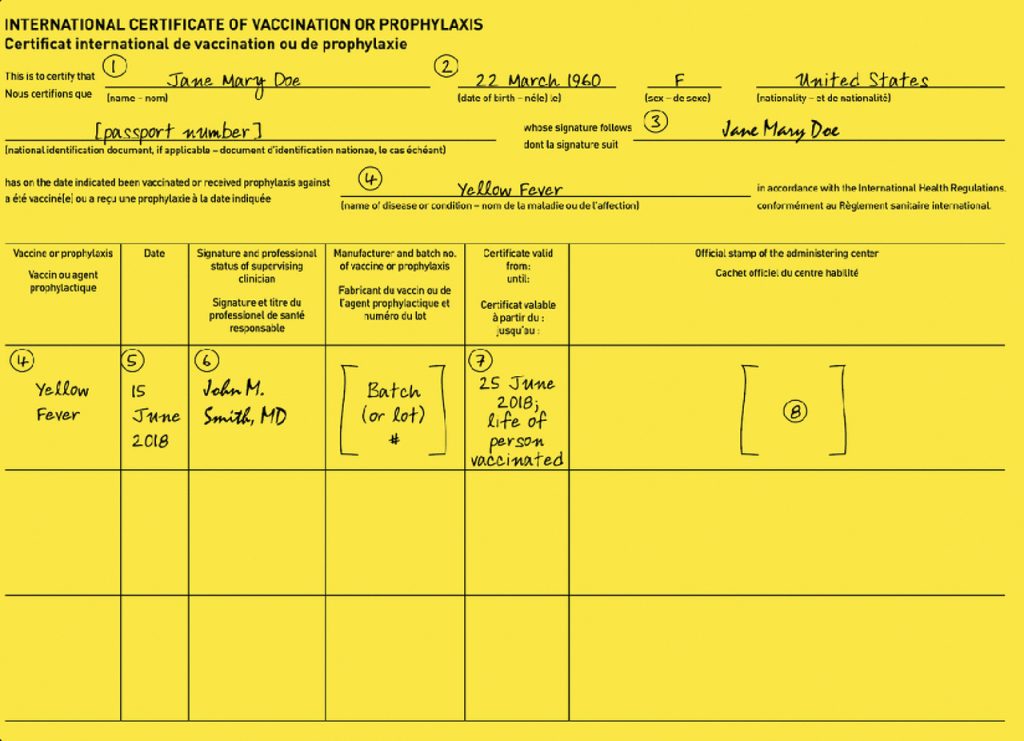
The process of obtaining a yellow fever vaccination waiver usually begins at an authorized travel clinic or vaccination center. A qualified healthcare provider examines the traveler’s medical history and determines whether vaccination poses a health risk. If a contraindication exists, the doctor completes the medical exemption section of the International Certificate of Vaccination or Prophylaxis, commonly called the “yellow card.” In many cases, the traveler also receives a signed waiver letter printed on official medical letterhead.
The waiver document normally contains the traveler’s identification details, the medical reason for exemption, the doctor’s signature, and the official stamp of the vaccination center. These details help immigration officials verify the authenticity of the exemption during border inspections.
International Travel and Border Regulations
Although medical waivers are internationally recognized under health regulations, acceptance may still vary from one country to another. Some countries readily accept properly documented exemptions, while others may impose additional requirements such as health monitoring, quarantine measures, or further medical screening upon arrival. Travelers are therefore advised to contact embassies or consulates before departure to confirm entry conditions.
The International Health Regulations established by the World Health Organization guide many countries on yellow fever requirements. These regulations allow nations to request proof of vaccination from travelers entering from areas where yellow fever transmission exists. However, the same regulations also recognize medical contraindications and permit certified exemptions where appropriate.
Responsibilities of Travelers with Waivers
A common misconception is that a waiver completely replaces the need for caution. In reality, travelers with exemptions must take extra preventive measures because they remain vulnerable to infection. Doctors strongly advise exempt travelers to avoid mosquito bites by wearing long-sleeved clothing, using insect repellents, sleeping under treated mosquito nets, and staying in accommodations with screened windows or air conditioning.
Travelers should also understand that carrying a waiver does not guarantee automatic entry into every country. Border officials still retain authority to decide whether to admit travelers under national public health laws. For this reason, preparing proper documentation in advance is essential. Keeping copies of medical letters, vaccination records, and embassy communications can help prevent travel complications.
Changing Policies and Global Discussions
In recent years, discussions about yellow fever waivers have increased due to growing international travel and changing vaccination policies. Online travel communities frequently share experiences regarding exemption letters and border procedures. Some travelers report smooth entry after presenting official medical waivers, while others mention additional questioning at airports. These experiences highlight the importance of obtaining documents from recognized medical providers and confirming regulations before travel.
Another important development concerns the validity period of yellow fever vaccination certificates. Previously, travelers were often required to renew certificates every ten years. However, amendments to international health regulations later confirmed that a properly administered yellow fever vaccine provides lifelong protection, meaning certificates remain valid for life. This policy simplified travel requirements for vaccinated individuals, though waiver holders must still rely on updated medical documentation.
Ethical and Public Health Considerations
The existence of vaccination waivers reflects a broader principle within global public health: balancing disease prevention with individual medical safety. While vaccination remains the most effective defense against yellow fever outbreaks, health systems also recognize that medical conditions differ from person to person. Forcing vaccination on individuals with contraindications could create unnecessary health risks and violate medical ethics.
Healthcare professionals therefore play a crucial role in ensuring exemptions are issued responsibly. Waivers are intended only for legitimate medical reasons and should never be used merely for convenience or personal preference. International guidelines clearly state that non-medical reasons are not acceptable grounds for exemption.
Conclusion
As international tourism continues to grow, awareness about yellow fever vaccination waivers becomes increasingly important. Travelers need accurate information to avoid confusion, denied boarding, or immigration delays. Understanding both the purpose and limitations of waivers helps individuals prepare responsibly for international travel.
In conclusion, a yellow fever vaccination waiver serves as an essential safeguard for travelers who cannot safely receive the vaccine due to medical reasons. It allows international movement while protecting vulnerable individuals from possible vaccine-related complications. However, obtaining a waiver also comes with responsibilities, including carrying proper documentation and following strict mosquito prevention measures. As global health regulations evolve, informed travelers and healthcare providers must continue working together to ensure both safe travel and effective disease prevention worldwide.