

Where to Find Tree-Climbing Lions in Uganda: A Complete Travel Blog Guide
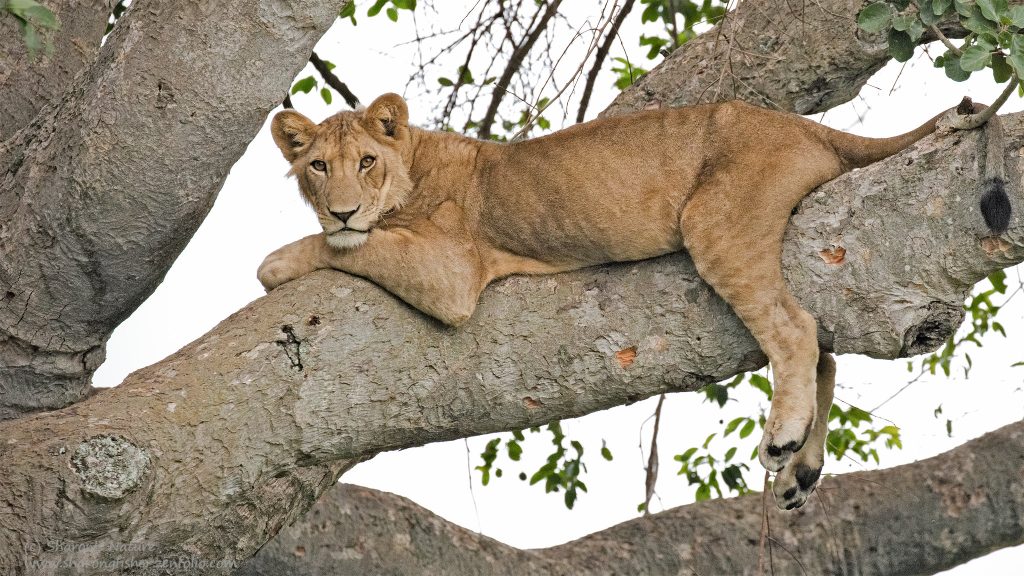
Where to Find Tree-Climbing Lions in Uganda: Uganda is often celebrated for its lush landscapes, mountain gorillas, and diverse wildlife, but there is one experience that consistently surprises even seasoned safari travelers: the chance to see lions lounging in trees. This is not a common behavior for lions anywhere in the world, which makes Uganda one of the most special destinations for wildlife lovers seeking something beyond the ordinary safari. If you have ever imagined spotting a lion stretched out along a tree branch, tail dangling lazily while it surveys the savannah below, then this guide will show you exactly where to go, what to expect, and how to plan your journey.
The Only Place to See Tree-Climbing Lions in Uganda
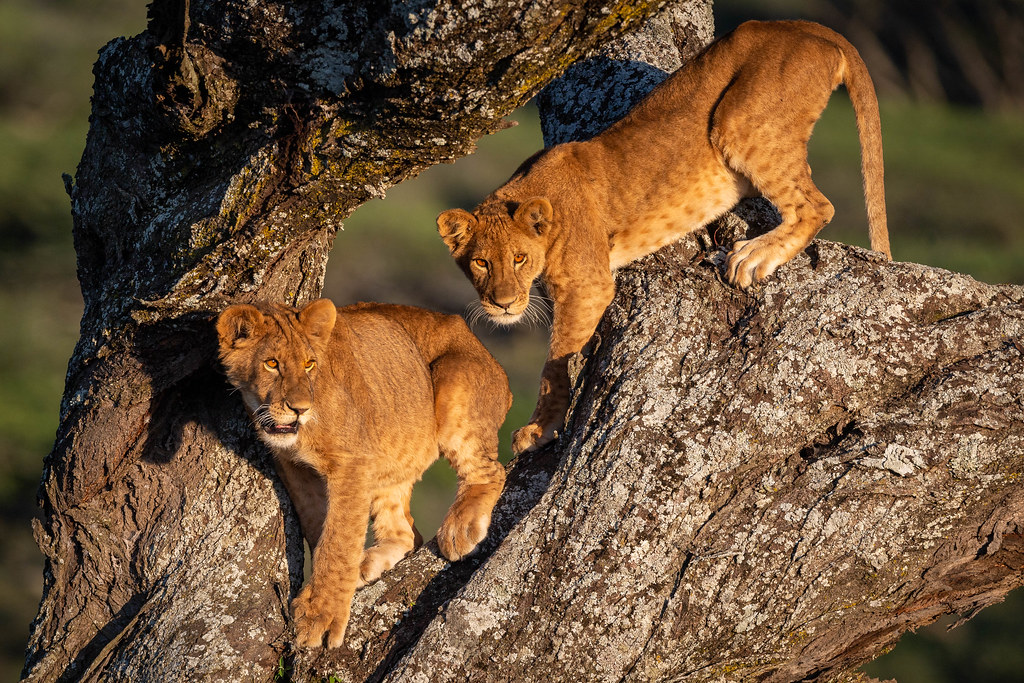
If you are specifically searching for tree-climbing lions, there is one place you need to focus on: the Ishasha Sector, located in the southern part of the iconic Queen Elizabeth National Park. This vast protected area lies in western Uganda and is one of the country’s most popular safari destinations, but Ishasha offers a completely different atmosphere compared to the northern regions of the park.
Ishasha is remote, quiet, and less crowded, which adds to its appeal. The landscape here is dominated by open savannah plains dotted with fig trees and acacia trees, and it is these trees that create the perfect environment for lions to climb and rest. Unlike other parts of Africa where lions remain ground-dwelling, the lions in Ishasha have adapted to their surroundings in a way that continues to intrigue researchers and visitors alike.
Why Do Lions Climb Trees Here?
One of the most common questions travelers ask is simple: why do these lions climb trees in the first place? While there is no single definitive answer, several well-supported explanations help make sense of this unusual behavior.
First, the climate plays a major role. The savannah can become extremely hot during the day, and the ground absorbs and radiates this heat, making it uncomfortable for lions to rest. By climbing into trees, lions can catch cooler breezes and avoid the intense heat below. The elevated position also provides relief from insects, especially biting flies that are common in the region.
Another reason is strategic advantage. From the branches of a tree, lions gain a wider view of their surroundings, which allows them to monitor potential prey such as antelope and buffalo. While they still hunt on the ground, this vantage point can help them track movement across the plains more effectively.
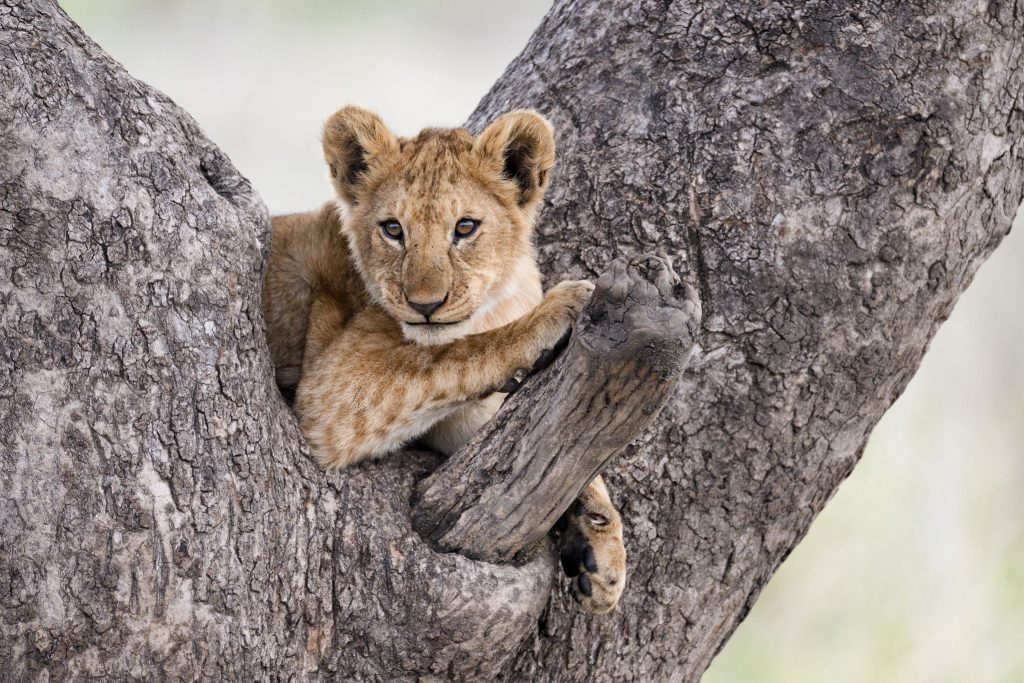
There is also a behavioral component that may have been passed down through generations. Young lions in Ishasha grow up watching adults climb trees, and over time, this behavior becomes part of the pride’s identity. This makes the lions of Ishasha not just unique in behavior, but also culturally distinct within the species.
What Makes Ishasha So Special?
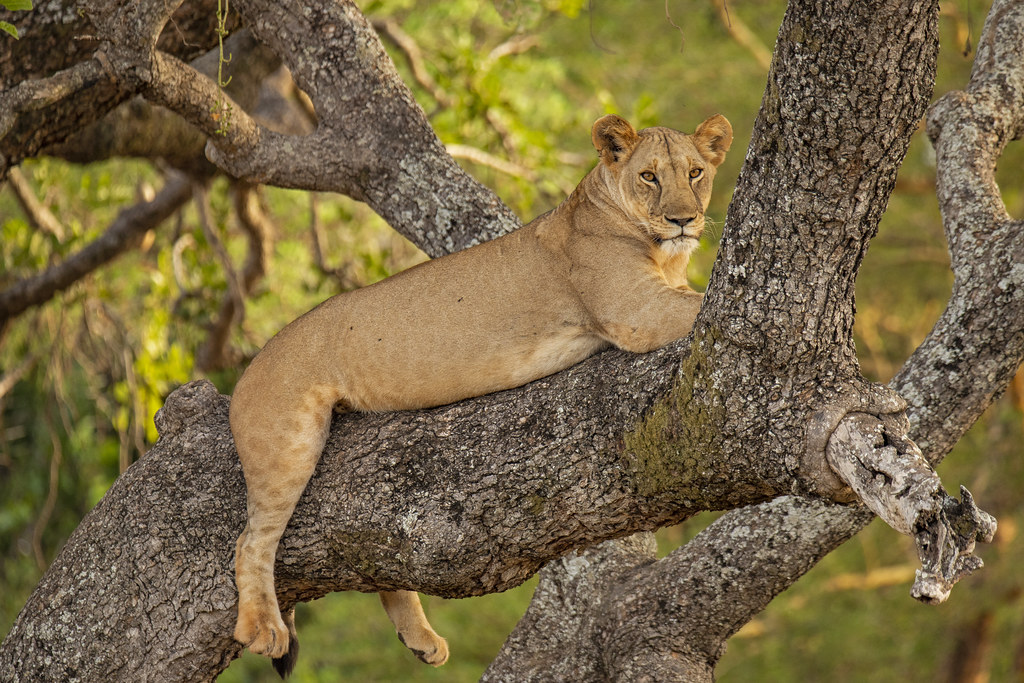
The uniqueness of Ishasha lies in the combination of its environment and wildlife. The fig trees in this region have strong, wide branches that can support the weight of adult lions, which is not something every tree can do. This natural feature makes tree climbing physically possible and sustainable for the lions.
Another factor is the relative isolation of the area. Because Ishasha is less visited than other parts of the park, it offers a quieter, more intimate safari experience. You are less likely to encounter large crowds of vehicles, which means more time observing wildlife in a peaceful setting.
The lions themselves are also striking in appearance. Many of the males in this region are known for their dark manes, which contrast beautifully with the pale bark of the trees and the golden grasslands below. Seeing a large male lion draped across a branch is a sight that feels almost surreal.
When Is the Best Time to Visit?
Timing can significantly affect your chances of seeing tree-climbing lions. While they can be found in Ishasha throughout the year, the best time to visit is during the dry seasons, which typically occur from June to September and from December to February.
During these months, the vegetation is thinner, making it easier to spot wildlife. The roads are also more accessible, which improves the overall safari experience. Lions are often seen resting in trees during the late morning and afternoon hours, when temperatures are at their highest.
However, visiting during the wet season has its own advantages, including lush scenery and fewer tourists. While sightings may require more patience, the experience can feel more exclusive and rewarding.
How to Get There
Reaching Ishasha requires some planning, but the journey is part of the adventure. Most travelers begin their trip in Kampala and travel across the country toward Queen Elizabeth National Park. The drive can take several hours, depending on your route and stops along the way.
Many visitors choose to travel through towns like Mbarara or Fort Portal, both of which offer scenic views of Uganda’s countryside. Alternatively, you can book a guided safari that includes transportation, accommodation, and game drives, which simplifies the logistics and allows you to focus entirely on the experience.
What to Expect on a Game Drive?
Game drives in Ishasha are typically conducted in 4×4 safari vehicles with experienced guides who know the area well. These guides often communicate with each other to share sightings, which increases your chances of finding the lions.
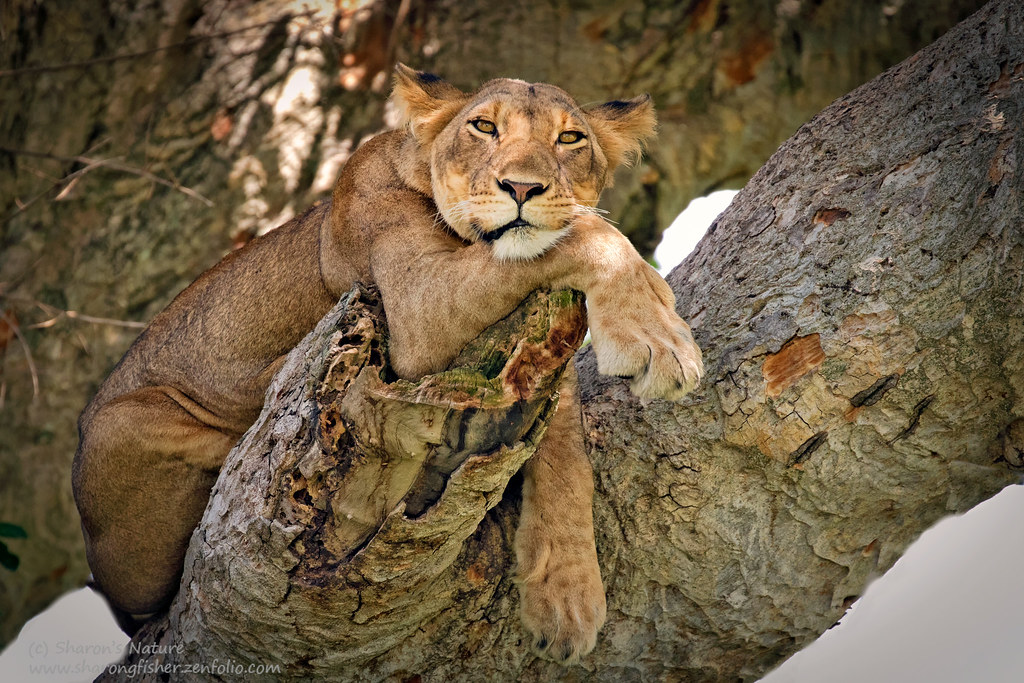
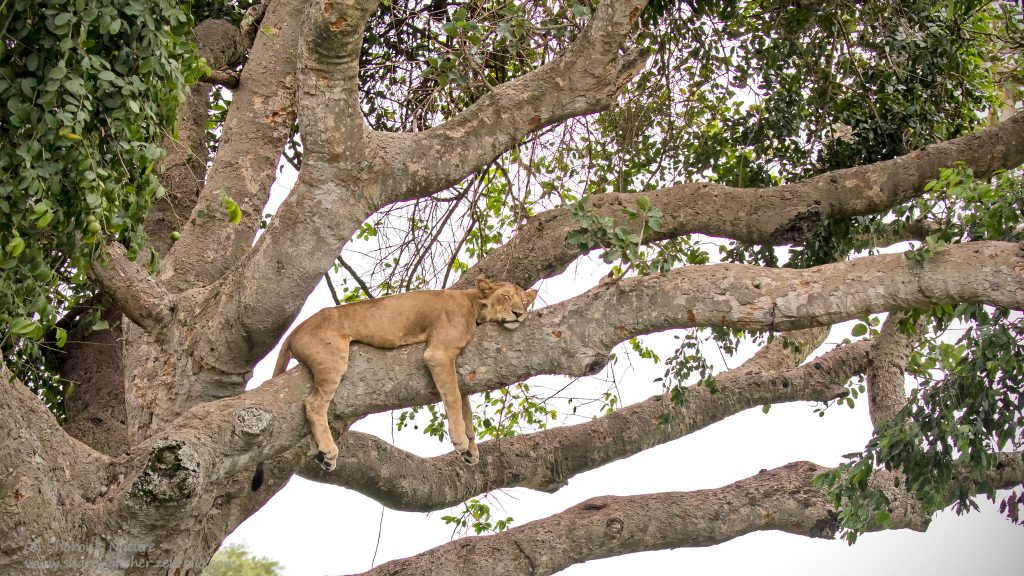
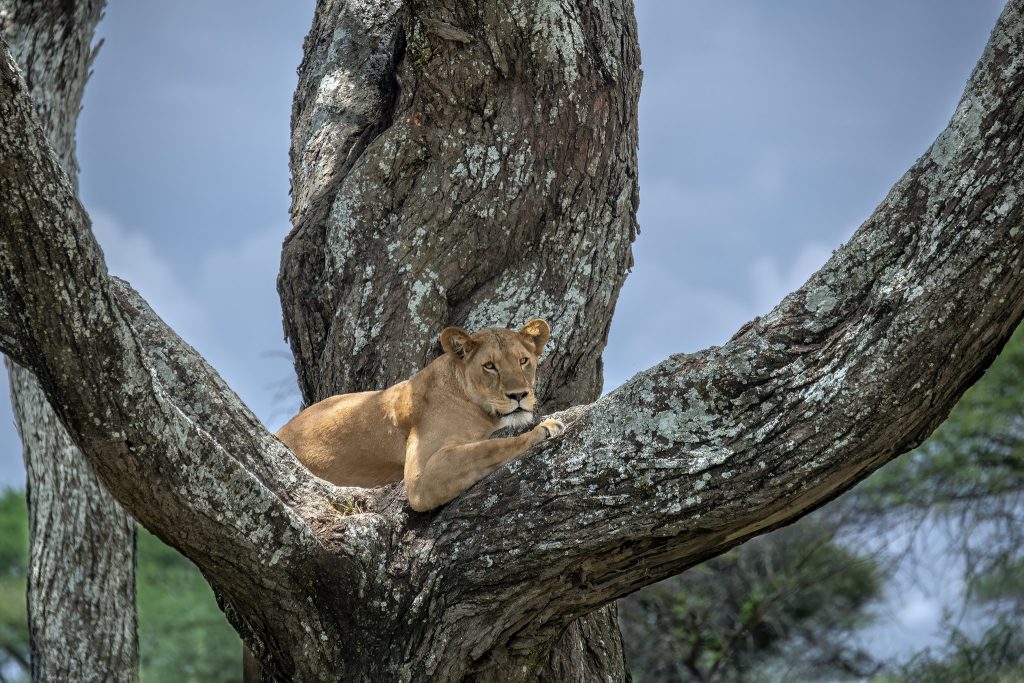
When you do encounter tree-climbing lions, the experience is unforgettable. You may see a single lion resting alone or an entire pride spread across multiple branches. Some lions lie flat along the limbs, while others drape their legs over the sides, completely relaxed despite their elevated position.
It is important to remain patient and respectful during these encounters. Wildlife viewing is unpredictable, and part of the beauty lies in observing animals behaving naturally in their environment.
Other Wildlife in the Area
While the tree-climbing lions are the main attraction, Ishasha and the wider Queen Elizabeth National Park offer a rich diversity of wildlife. You can expect to see elephants, buffaloes, antelopes, and a wide variety of bird species.
This makes Ishasha a well-rounded safari destination. Even if the lions are not immediately visible, there is always something else to capture your attention, from herds of grazing animals to dramatic landscapes that stretch as far as the eye can see.
Conservation and Challenges
Despite their popularity, the tree-climbing lions face several challenges. Human-wildlife conflict, habitat loss, and occasional poisoning incidents have affected their population in the past. These threats highlight the importance of conservation efforts and responsible tourism.
By visiting the park and supporting conservation initiatives, travelers contribute to the protection of these lions and their habitat. Responsible tourism helps ensure that future generations will continue to experience this rare and remarkable behavior.
Conclusion
Seeing tree-climbing lions in Uganda is not just another safari activity; it is a truly unique wildlife encounter that challenges everything you think you know about lions. The Ishasha Sector stands as one of the few places on Earth where this phenomenon can be observed consistently, making it a must-visit destination for anyone passionate about nature and adventure.
From the moment you spot your first lion perched in a tree, you will understand why this experience is so highly sought after. It is a reminder that nature is full of surprises, and that even the most familiar animals can behave in extraordinary ways when given the right environment.