

Agashya Gorilla Family: The Largest Mountain Gorilla Group
The Agashya Gorilla Family is one of the most famous and captivating mountain gorilla groups found in Volcanoes National Park in Rwanda, a protected conservation area that forms part of the larger Virunga Mountain ecosystem shared by Rwanda, Uganda, and the Democratic Republic of Congo. Known for its remarkable size, strong leadership structure, and fascinating history, the Agashya group has become one of the most sought-after gorilla families for tourists and researchers interested in understanding the behavior and social organization of endangered mountain gorillas in their natural habitat.
Mountain gorillas are among the rarest primates in the world, and Rwanda has become a leading destination for gorilla trekking experiences due to its successful conservation efforts and carefully managed tourism industry. The Agashya Gorilla Family is unique among the other habituated gorilla families in Volcanoes National Park due to its sizable membership and the compelling tale of its leadership transition, which has made it an important symbol of resilience and adaptation within the gorilla conservation community.

The Origin and History of the Agashya Group
The Agashya Gorilla Family was originally known as Group 13, a name that reflected the number of gorillas in the family at the time researchers first identified and monitored the group. The family was initially led by a dominant silverback named Nyakarima, who was respected for maintaining order and stability among the gorillas. However, the social structure of the group changed dramatically when a younger and stronger silverback named Agashya challenged Nyakarima for leadership and eventually took control of the family after a period of tension and rivalry.
Following his rise to power, Agashya led a significant portion of the group away from the original territory, demonstrating extraordinary confidence and strategic movement across the mountainous terrain. Under his leadership, the group expanded considerably, attracting additional members and becoming one of the largest habituated gorilla families in Volcanoes National Park. The family was later renamed after Agashya, whose name translates to “the news” in Kinyarwanda, symbolizing the surprising and transformative events that reshaped the group’s identity and future.

Social Structure and Family Dynamics
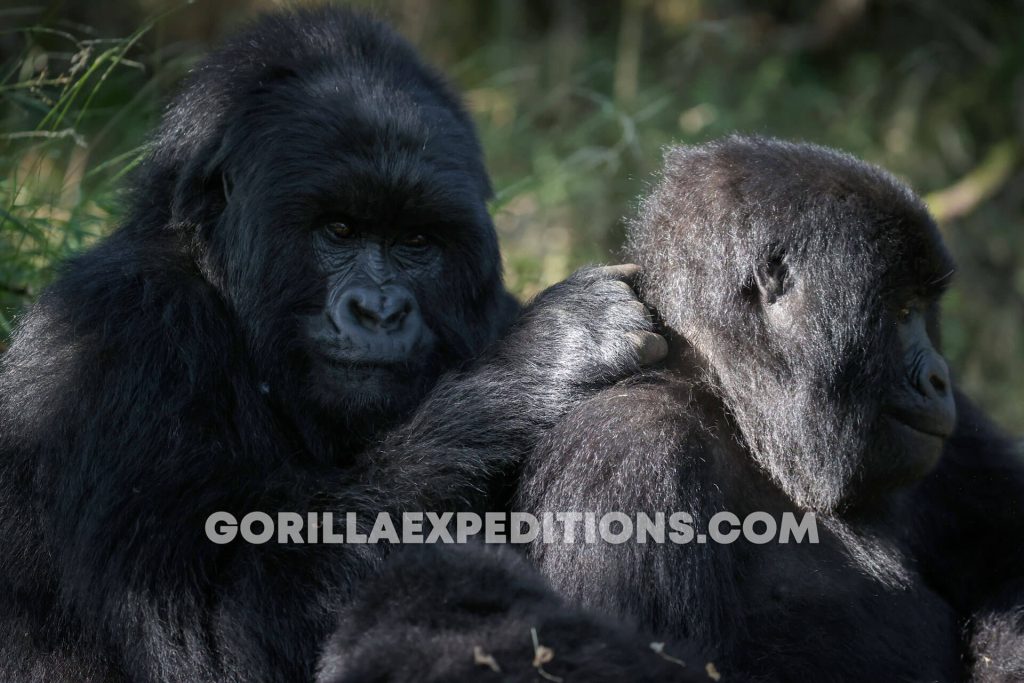
The Agashya Gorilla Family is recognized for its complex social organization and strong family bonds, which are essential for the survival and stability of mountain gorilla groups living in the wild. At the center of the family is the dominant silverback, who serves as the protector, decision-maker, and leader of the group. His responsibilities include defending members from external threats, resolving internal disputes, guiding the group to feeding areas, and ensuring the safety of infants and females within the family.
The group includes several adult females, blackbacks, juveniles, and infants, each contributing to the social interactions that define daily life within the family. Young gorillas are often seen playing together, climbing vegetation, and engaging in mock wrestling activities that help them develop important physical and social skills. During the early stages of their development, adult females spend a significant amount of time caring for infants, providing them with continual protection and close physical contact.
One of the most fascinating aspects of the Agashya Gorilla Family is the interaction between subordinate males and the dominant silverback. Although tensions may occasionally arise, these relationships are generally maintained through displays of strength, body language, and established social hierarchy rather than constant aggression, allowing the group to function with relative harmony.
Habitat and Natural Environment
The Agashya Gorilla Family lives in the thick montane woods, bamboo vegetation, huge lobelias, and cool high-altitude environments of Volcanoes National Park’s dense forests and volcanic slopes. This unique ecosystem provides the gorillas with abundant food resources, including leaves, stems, roots, shoots, and seasonal fruits, all of which are essential for sustaining their herbivorous diet and large body size.
The family is known for moving across various elevations within the park depending on food availability and seasonal changes, and these movements often require trekkers to hike through steep and muddy terrain before locating the group. Despite the physical challenge involved, the experience of observing the Agashya Gorilla Family in the wild is considered one of the most rewarding wildlife encounters in Africa due to the close emotional connection visitors often feel while watching the gorillas interact naturally within their forest environment.
The forest ecosystem surrounding the group also supports a wide variety of other wildlife species, including golden monkeys, forest birds, and small mammals, making Volcanoes National Park an important center for biodiversity conservation in East Africa.
Gorilla Trekking and Tourism Experience
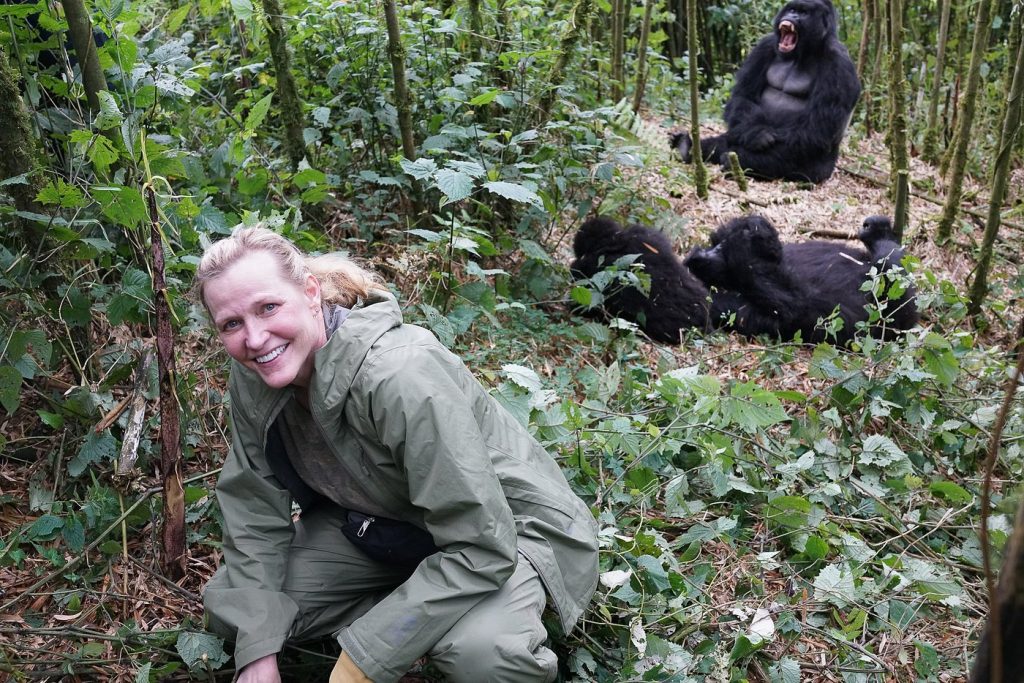
The Agashya Gorilla Family has become one of the most popular groups for gorilla trekking tourism in Rwanda because of its large size, active members, and relatively dynamic movement patterns. Experienced rangers and trackers accompany visitors who hike to meet the family, keeping an eye on the gorillas every day to guarantee both visitor safety and the least amount of disruption to the animals.
The trekking experience usually begins early in the morning with a briefing at the park headquarters, where tourists receive information about gorilla behavior, safety regulations, and conservation guidelines. After entering the forest, tourists may have to hike for many hours to find the family, but once they do, they get an hour to safely view the gorillas.
Because of the gorillas’ amazing likeness to humans in their facial expressions, social connections, and nurturing behavior, many tourists describe their contact with the Agashya Gorilla Family as intensely emotional and unforgettable. Watching a silverback calmly observe his surroundings while infants play nearby creates a rare and powerful wildlife experience that leaves a lasting impression on visitors from around the world.
Conservation Importance of the Agashya Family
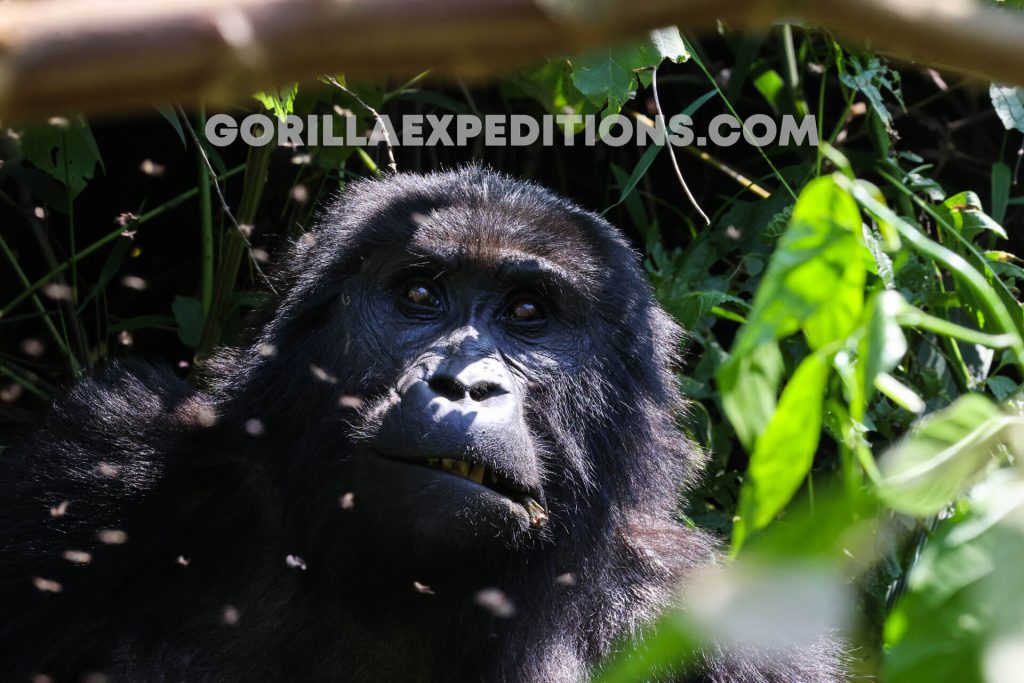
The survival of the Agashya Gorilla Family represents the broader success of mountain gorilla conservation efforts in Rwanda and the entire Virunga region. Decades ago, mountain gorillas faced severe threats from habitat destruction, poaching, political instability, and disease transmission, which placed the species at risk of extinction. However, coordinated conservation strategies involving governments, researchers, park authorities, and local communities have significantly improved gorilla population numbers over recent years.
Tourism revenue generated through gorilla trekking has played a major role in supporting conservation programs, anti-poaching patrols, veterinary care, and community development projects that encourage local populations to protect wildlife habitats rather than exploit them. The Agashya Gorilla Family has therefore become more than just a tourist attraction, as it also serves as a symbol of successful wildlife conservation and sustainable eco-tourism.
Conclusion
The Agashya Gorilla Family remains one of the most extraordinary mountain gorilla groups in Volcanoes National Park due to its impressive size, fascinating leadership history, and strong social organization. From the dramatic rise of the silverback Agashya to the family’s continued growth and stability, the group reflects the resilience and intelligence of mountain gorillas living within one of Africa’s most important conservation landscapes. For visitors seeking an unforgettable wildlife encounter and a deeper understanding of gorilla conservation, the Agashya Gorilla Family offers a truly remarkable experience that highlights the beauty, complexity, and importance of protecting endangered species for future generations.