

Baby Mountain Gorillas and Their Role in Conservation
Baby mountain gorillas capture global attention with their playful behavior, curious personalities, and strong family bonds. These young primates symbolize hope for wildlife conservation in Central and East Africa. Found mainly in forests such as Bwindi Impenetrable National Park in Uganda and Volcanoes National Park in Rwanda, mountain gorillas remain among the most endangered primates on Earth. Every newborn gorilla strengthens the survival of the species and motivates conservation efforts worldwide.
The presence of baby mountain gorillas does far more than grow the population. Their birth strengthens tourism, increases conservation awareness, and inspires communities to protect forests and wildlife. Understanding their role reveals how these young animals contribute directly to the protection of their species and habitats.
The Birth of a Baby Mountain Gorilla
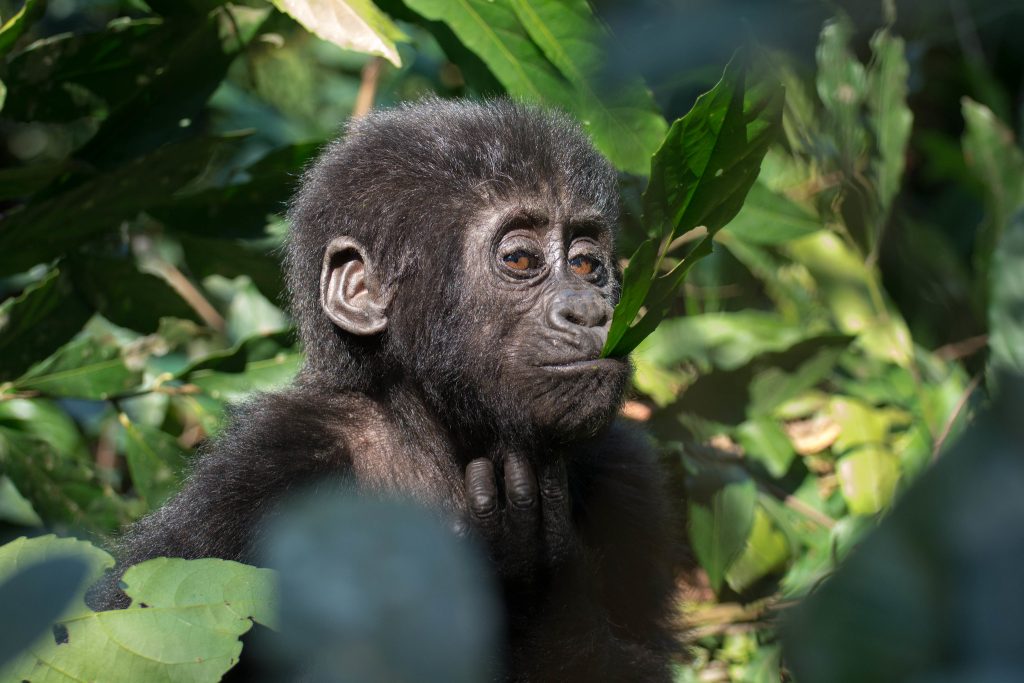
Female mountain gorillas give birth after a gestation period of about eight and a half months. A newborn gorilla weighs roughly 1.8 kilograms and depends completely on its mother for survival. During the first months of life, the infant clings tightly to the mother’s chest and later rides on her back while exploring the forest environment.
Baby gorillas grow slowly compared to many other wild animals. Females usually produce their first offspring at around ten years of age, which makes every birth extremely valuable for the population. Conservationists celebrate each newborn because the species reproduces at a slow rate.
In recent decades, the population of mountain gorillas has increased from fewer than 300 individuals in the 1980s to more than 1,000 today due to strong conservation programs. This recovery represents one of the world’s greatest wildlife conservation successes.
Baby Gorillas Strengthen Population Recovery
Every baby mountain gorilla plays a crucial role in rebuilding the species. For decades, habitat destruction, poaching, and disease pushed the animals close to extinction. Today, new births increase the number of individuals in the wild and strengthen genetic diversity.
Young gorillas grow into adult members that eventually reproduce and lead new families. A healthy population depends on continuous reproduction. When conservation programs protect mothers and infants, the entire population gains stability and resilience.
In forests such as Virunga National Park and Bwindi Impenetrable National Park, rangers closely monitor gorilla families to ensure the safety of newborns. Veterinary teams also track the health of infants and mothers to prevent disease outbreaks. These efforts increase infant survival rates and improve the long-term future of the species. The survival of baby gorillas therefore directly supports the long-term growth of mountain gorilla populations.
Baby Gorillas Boost Gorilla Tourism
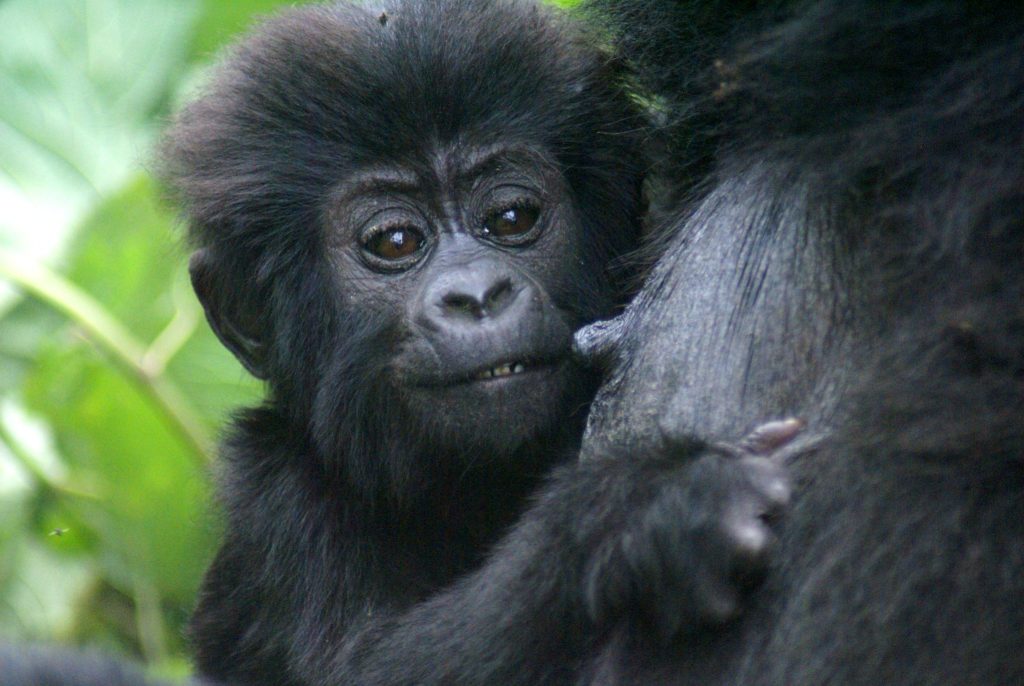
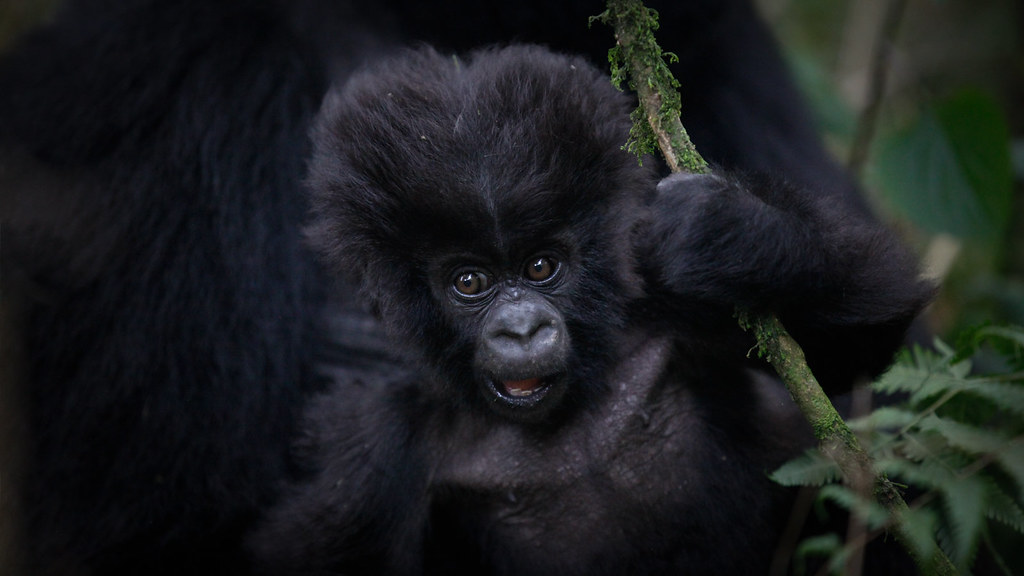
Baby mountain gorillas attract tourists from around the world. Visitors travel to Uganda, Rwanda, and the Democratic Republic of Congo to experience gorilla trekking and witness these gentle primates in their natural habitat.
Tourists often describe baby gorillas as the highlight of their trekking experience. Infants climb trees, roll on the ground, and interact with siblings while curious travelers observe from a safe distance. These playful moments create unforgettable wildlife encounters.
Gorilla tourism generates major revenue for conservation programs. In Uganda, gorilla trekking contributes a large share of tourism income and funds wildlife protection programs. The revenue supports ranger patrols, veterinary services, and habitat protection.
Tourism income also supports national parks such as Mgahinga Gorilla National Park and Bwindi Impenetrable National Park. This financial support ensures long-term protection of gorilla habitats. Without the charm and appeal of baby gorillas, gorilla tourism would attract fewer visitors. Their presence therefore strengthens conservation through economic incentives.

Baby Gorillas Inspire Global Awareness
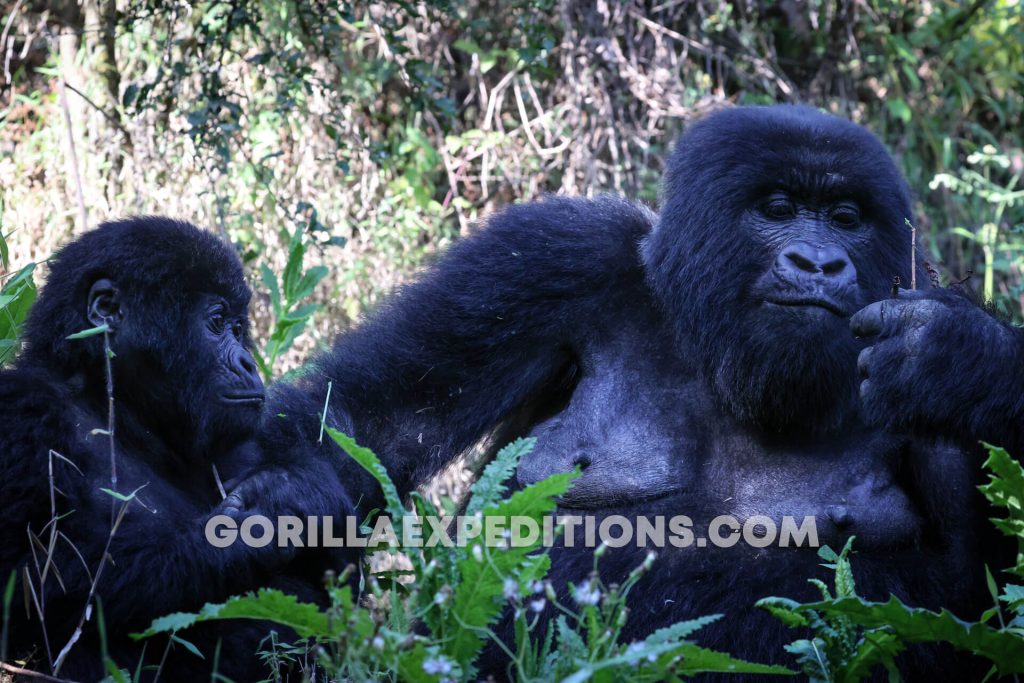
Images and stories of baby mountain gorillas inspire people across the world. Conservation organizations share photos and videos of newborn gorillas to educate the public about wildlife protection.
Events such as Kwita Izina in Rwanda celebrate newborn gorillas through a traditional naming ceremony. During the event, conservationists, rangers, and community leaders gather to give names to the baby gorillas born that year. The ceremony highlights the importance of protecting the species and their environment.
These celebrations attract international media attention and encourage people to support conservation projects. Donations, partnerships, and tourism all increase when the world sees positive conservation results. Baby gorillas therefore act as powerful ambassadors for wildlife conservation.
Supporting Local Communities
Baby mountain gorillas help strengthen relationships between conservation programs and local communities. Tourism revenue supports schools, health centers, and infrastructure around national parks.
Many governments share a portion of tourism income with communities living near protected areas. In Rwanda, about 10% of tourism revenue supports local development projects.
These programs encourage communities to protect gorillas rather than hunt them or destroy their habitats. Former poachers now work as park rangers, trackers, and tour guides. Tourism also creates jobs for drivers, lodge staff, and porters.
The birth of baby gorillas increases tourism demand, which directly benefits surrounding communities. When local people see economic value in gorillas, they become strong allies in conservation.


Protecting Baby Gorillas from Threats
Despite conservation success, baby mountain gorillas still face many challenges. Disease remains one of the biggest threats because gorillas share about 98% of their DNA with humans. Respiratory infections can spread easily between humans and gorillas.
Park authorities enforce strict rules to protect gorilla families. Tourists must maintain a safe distance from the animals and follow health guidelines during trekking activities. Rangers also monitor gorilla groups daily to detect injuries or illnesses early.
Poaching also threatens young gorillas. Although hunters rarely target gorillas directly, traps set for other animals can injure them. Conservation teams remove snares and treat injured animals to protect vulnerable infants.
Habitat loss poses another challenge. Growing human populations around forests increase pressure on land and resources. Conservation programs therefore focus on expanding protected areas and promoting sustainable livelihoods for local communities.
A Symbol of Hope for Wildlife Conservation
Baby mountain gorillas represent hope for the future of wildlife conservation. Their survival demonstrates that strong conservation strategies can reverse the decline of endangered species.
Scientists, park rangers, governments, and local communities all play a role in protecting these animals. Through tourism, education, and habitat protection, people across the world support the survival of mountain gorillas.
When a baby gorilla appears in the forest, it signals a healthy environment and a successful conservation effort. Each newborn strengthens the population, inspires global awareness, and supports communities that live near protected areas.
The future of mountain gorillas depends on continued commitment to conservation. As long as baby gorillas continue to thrive in the forests of Central and East Africa, the world will witness one of the most inspiring conservation success stories in modern history.