

The Difference Between Gorilla Habituation and Chimpanzee Habituation: A Behind-the-Scenes Look
The Difference Between Gorilla Habituation and Chimpanzee Habituation: Wildlife lovers often hear the terms gorilla habituation and chimpanzee habituation when planning primate safaris in East Africa. Many people assume these experiences look similar because both involve close encounters with great apes. However, behind the scenes, major differences exist in behavior, training methods, visitor access, pricing, and exclusivity.
Understanding these differences helps travelers choose the right experience and appreciate the intense conservation work that supports both programs.
What Habituation Really Means
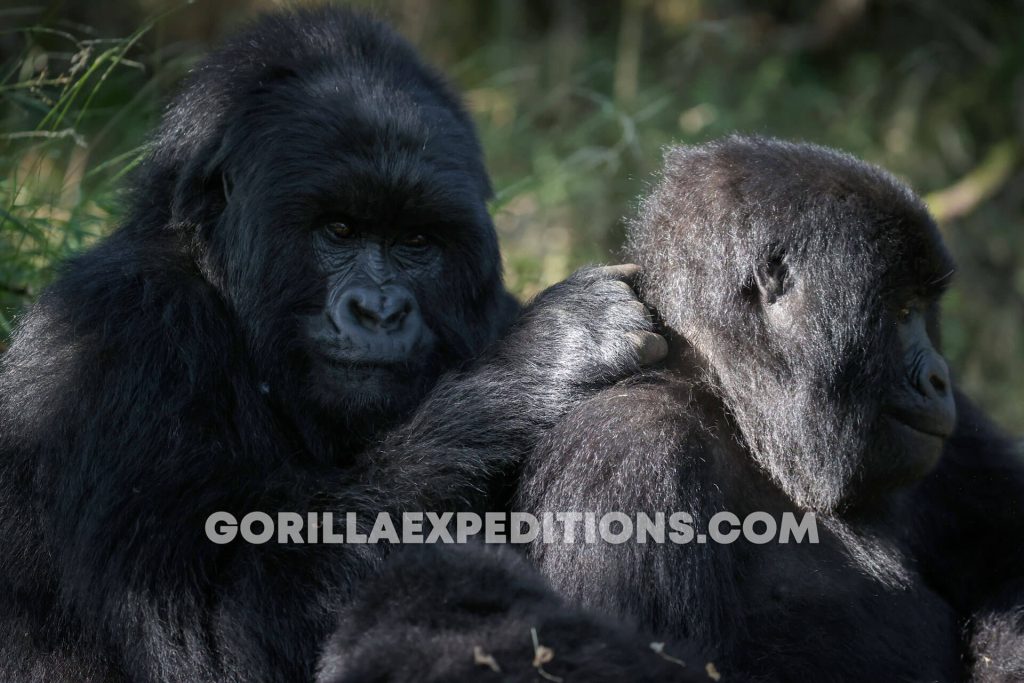
Habituation refers to a gradual process where wild animals learn to tolerate human presence without fear or aggression. Rangers and researchers spend months or years near a primate group. Over time, the animals accept humans as a neutral part of their environment.
Habituation does not mean taming. The animals remain completely wild. They move freely, feed naturally, and make their own decisions. Humans simply gain permission to observe them without causing stress.
Although the concept sounds simple, the process differs greatly between gorillas and chimpanzees because of their social structures, personalities, and habitats.

Gorilla Habituation: Slow, Structured, and Predictable
Behavior and Social Structure
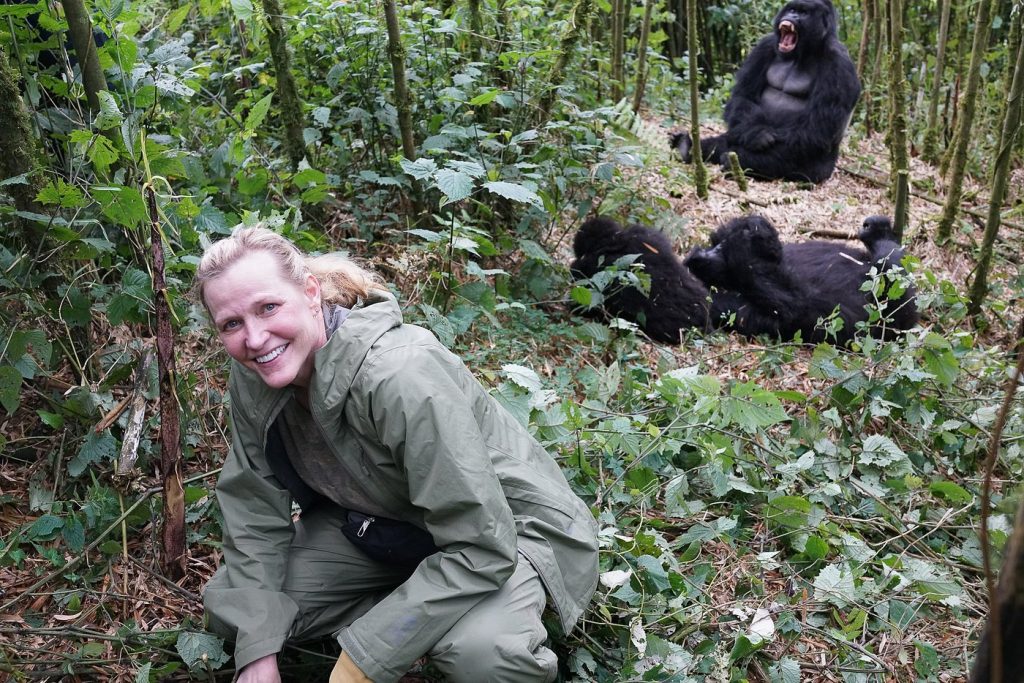
A dominant silverback leads stable family groupings of mountain gorillas. Each group contains females, juveniles, and infants who remain together for years. This strong social structure makes gorillas more predictable.
Gorillas spend much of their day feeding, grooming, and resting. They move, but they do not travel long distances quickly. Their calm nature supports a controlled habituation process.
The Habituation Process
Gorilla habituation usually takes two to three years. Rangers and researchers visit the group daily. They start at a distance and slowly reduce that distance over time. They speak softly and avoid sudden movements. The silverback often determines the group’s tolerance level.
Once the group shows comfort around humans, park authorities approve it for tourism.
Visitor Experience
In standard gorilla trekking, only eight visitors can visit one habituated family per day. Each group receives exactly one hour with the gorillas. Rangers strictly enforce the time limit.
In special gorilla habituation experiences, such as those offered in Uganda’s Bwindi Impenetrable Forest, four visitors join researchers and spend up to four hours with a semi-habituated group. This experience allows deeper observation and insight into gorilla behavior.
Price and Exclusivity
Uganda gorilla habituation experience: USD 1,500 per person
The exclusivity stands out clearly. If a park has 10 habituated families, only 80 people can visit per day. For the habituation experience, only four people per group per day participate. This low number creates high demand and strong conservation funding.
Chimpanzee Habituation: Fast-Paced and Complex
Behavior and Social Structure
Chimpanzees differ greatly from gorillas. They live in large communities that can include 50 to over 100 members. These communities split into smaller sub-groups throughout the day. Chimps move quickly through trees and across forest floors. They show high intelligence, strong emotions, and unpredictable behavior.
Chimpanzees vocalize loudly, use tools, hunt smaller animals, and travel long distances daily. Their energy and mobility make habituation more challenging.
The Habituation Process
Chimpanzee habituation often takes longer than gorilla habituation. In some areas, it requires three to five years. Researchers follow chimpanzees from dawn to dusk. They wake before sunrise to locate nesting sites and begin tracking immediately.
Chimpanzees often react aggressively in early stages. They scream, charge, or throw branches. Over time, they begin to ignore human observers. Because chimps move fast and disappear into treetops, trackers need strong physical endurance and deep forest knowledge.
Visitor Experience
Chimpanzee trekking usually allows six to eight visitors per group, depending on the country and park regulations. The standard viewing time lasts one hour once visitors find the chimpanzees.
In chimpanzee habituation experiences, visitors join researchers for a full or half day. In Uganda’s Kibale Forest, for example, participants spend up to four hours observing a semi-habituated community. Unlike gorillas, chimps rarely sit still. Visitors must move constantly and stay alert.
Price and Exclusivity
Chimpanzee permits cost less than gorilla permits.
Uganda chimpanzee habituation experience: USD 350 per person
Chimpanzee experiences cost less because chimpanzees exist in higher numbers and multiple parks offer trekking. More groups receive habituation approval, which increases daily visitor capacity.
For example, if a park manages five habituated chimpanzee communities and allows eight visitors per group, up to 40 visitors may trek per day. This number exceeds gorilla trekking limits in many parks.

Key Differences Behind the Scenes
Temperament
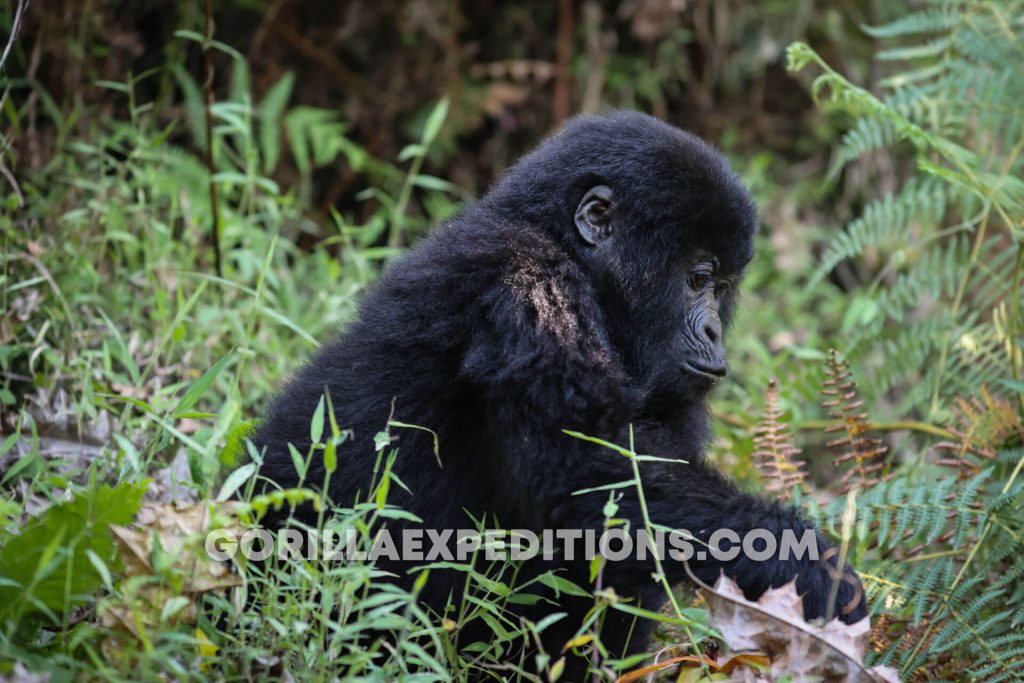
Gorillas display calm and steady behavior. They often sit in one place for long periods. Chimpanzees show excitement, speed, and unpredictability. They climb trees quickly and change direction without warning.
- Tracking Difficulty
Gorilla tracking feels physically demanding due to steep terrain, but trackers usually find the group within a defined area. Chimpanzee tracking demands more speed and flexibility because chimps travel far each day.
- Emotional Interaction
Gorilla encounters often feel peaceful and intimate. Visitors watch families interact quietly. Chimpanzee encounters feel energetic and dramatic. Loud calls echo through the forest, and sudden movement creates adrenaline.
- Conservation Funding Model
Gorilla permits generate much higher revenue per visitor. Governments use this strategy to maintain low tourist numbers while maximizing conservation income.
Chimpanzee tourism focuses on moderate pricing with higher visitor numbers. This model spreads tourism access more widely.
- Level of Exclusivity
Gorilla habituation ranks as one of Africa’s most exclusive wildlife experiences due to price and strict visitor limits.
Chimpanzee habituation offers deep immersion but remains more accessible financially and numerically.
Health and Safety Measures
Both experiences require strict rules. Visitors must keep distance, avoid direct contact, and stay home when sick. Great apes share about 98–99% of human DNA, which makes them vulnerable to human diseases.
Guides carry radios, first aid kits, and sometimes armed rangers for protection. Authorities enforce age limits, usually 15 years and above.
Which Experience Feels More Exclusive?
Gorilla habituation feels more exclusive due to:
Higher permit cost
Fewer daily visitors
Smaller number of habituated groups
Strong global demand
Chimpanzee habituation feels more adventurous and research-oriented but allows more participants overall.
In Conclusion
Gorilla and chimpanzee habituation programs both protect endangered primates while allowing humans to observe them responsibly. However, major differences shape each experience.
Gorillas offer calm, structured encounters with high exclusivity and premium pricing. Chimpanzees offer dynamic, fast-moving encounters with lower prices and broader access.
Behind every trek stands years of fieldwork, conservation strategy, community involvement, and strict regulation. When travelers purchase permits, they do more than secure a wildlife encounter. They invest directly in the survival of two of our closest relatives in the animal kingdom.
Choosing between gorilla and chimpanzee habituation depends on personal preference, budget, and desired intensity. Both experiences deliver unforgettable moments, but each tells a different story about life in the African forest.