

Great Apes and Other Primates of Uganda
Great Apes and Other Primates of Uganda, Uganda is internationally known as one of Africa’s most extraordinary wildlife destinations because the country protects vast tropical forests, mountain ecosystems, and savannah landscapes that support a remarkable diversity of primates. While Uganda is famous for its great apes, the country is also home to many species of monkeys and other primates that live within the same forests and play important roles in maintaining healthy ecosystems. These animals contribute to seed dispersal, forest regeneration, and the overall balance of biodiversity within Uganda’s protected areas. The most notable primates found in Uganda include the great apes such as the Mountain Gorilla and the Chimpanzee, as well as several monkey species including the Golden Monkey, Olive Baboon, and Black-and-White Colobus, which together create one of the richest primate populations in Africa.
Uganda as a Global Center for Primate Diversity
Uganda’s geographical position within the Albertine Rift Valley and its mixture of tropical rainforests, montane forests, wetlands, and savannah habitats create ideal conditions for primates to thrive. Forests such as Bwindi Impenetrable National Park, Kibale National Park, and Mgahinga Gorilla National Park are internationally recognized for their exceptional biodiversity because they host some of the highest concentrations of primates anywhere in Africa.
These ecosystems provide abundant fruiting trees, leaves, insects, and other natural food sources that sustain large primate populations. The forests also offer protection from predators and human disturbance, which allows primate communities to grow and maintain complex social structures that researchers continue to study.
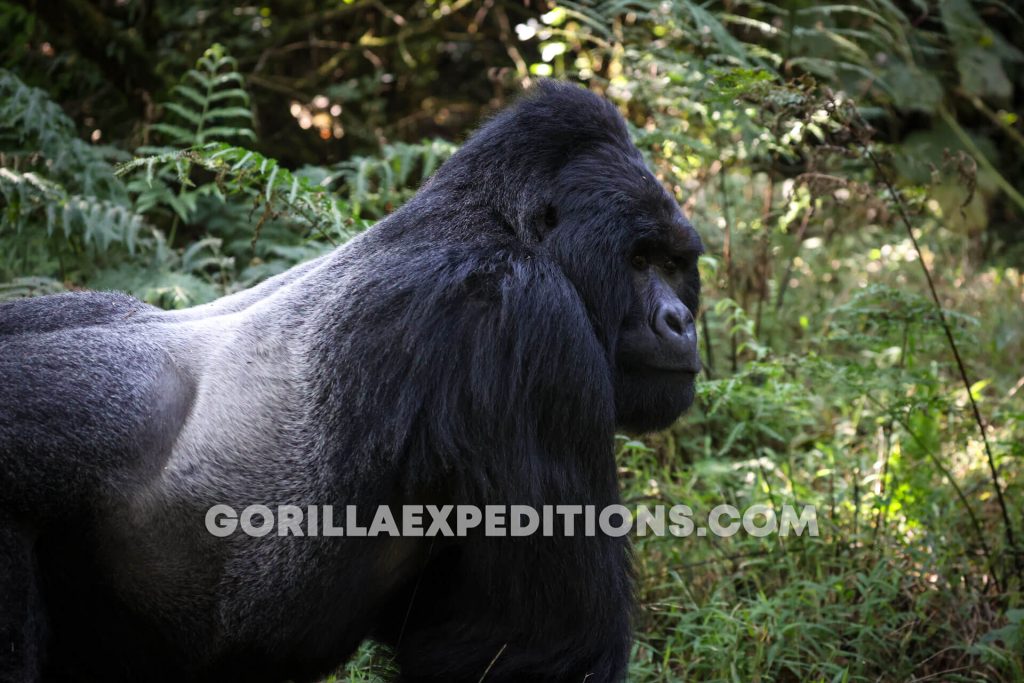
Mountain Gorillas: Uganda’s Most Iconic Great Apes
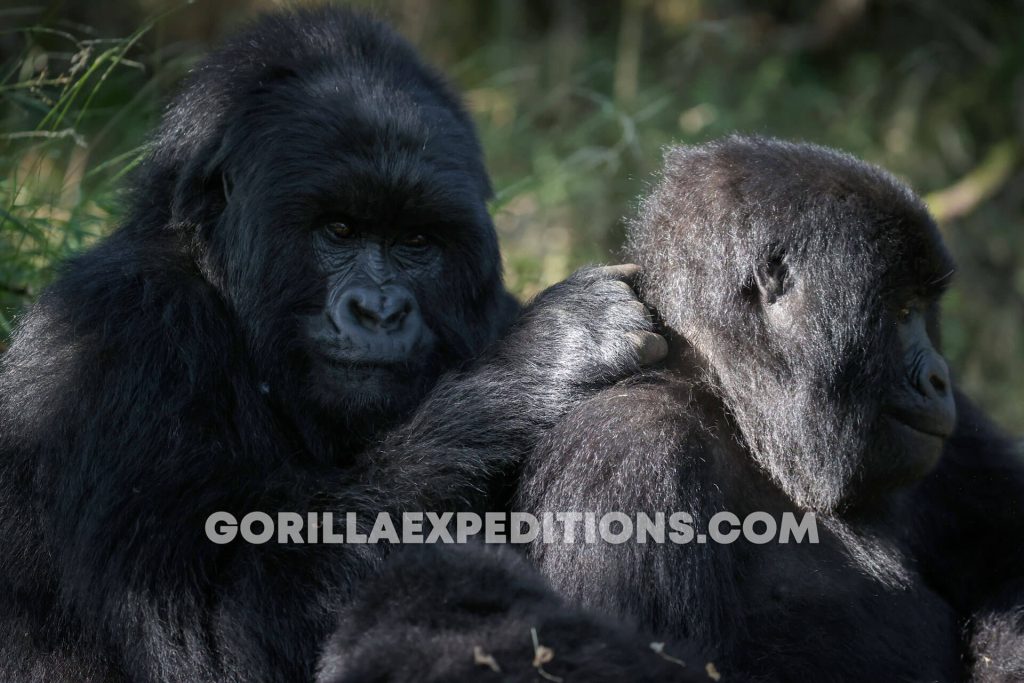
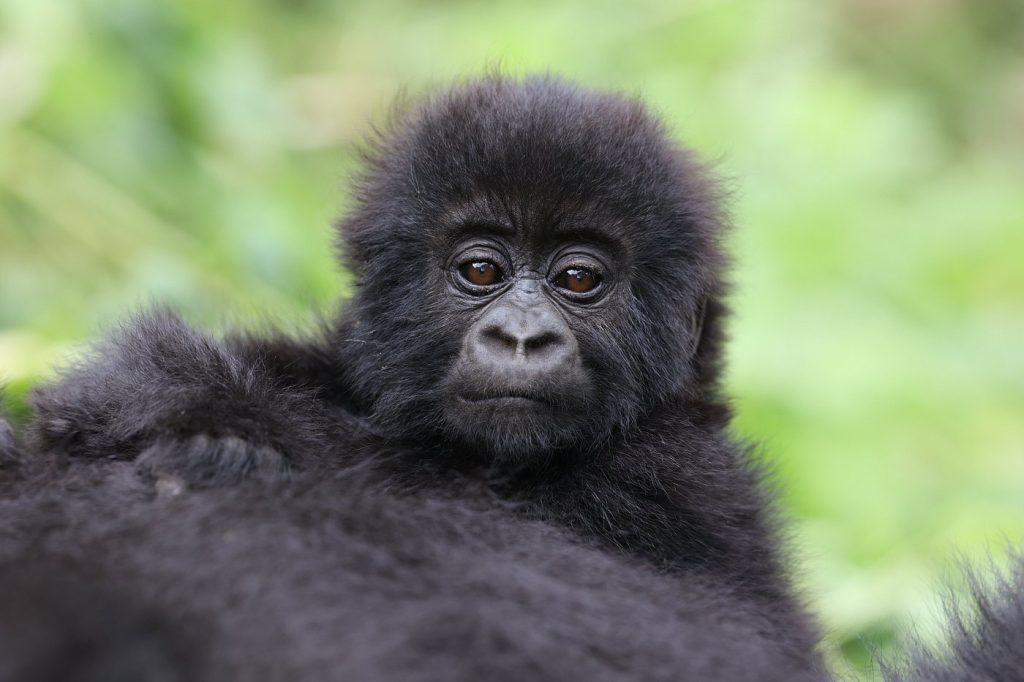
Among all the primates living in Uganda, the Mountain Gorilla is the most famous and one of the rarest animals in the world. These powerful primates inhabit the mist-covered highland forests of Bwindi Impenetrable National Park and Mgahinga Gorilla National Park, where dense vegetation and cool mountain climates create a perfect habitat for their survival.
Mountain gorillas live in stable family groups that are led by a dominant adult male known as a silverback, which is responsible for protecting the group, guiding members to feeding areas, and maintaining order within the troop. Although their physical strength is impressive, mountain gorillas are generally calm and peaceful animals that spend most of their day feeding on vegetation such as leaves, shoots, stems, and fruit found in the forest.
Visitors from around the world travel to Uganda to participate in gorilla trekking, an experience that involves hiking through dense forests with experienced guides in order to observe gorilla families in their natural habitat. This activity is carefully regulated to ensure the safety of both gorillas and visitors while also generating conservation funding.
Chimpanzees: Highly Intelligent Forest Primates
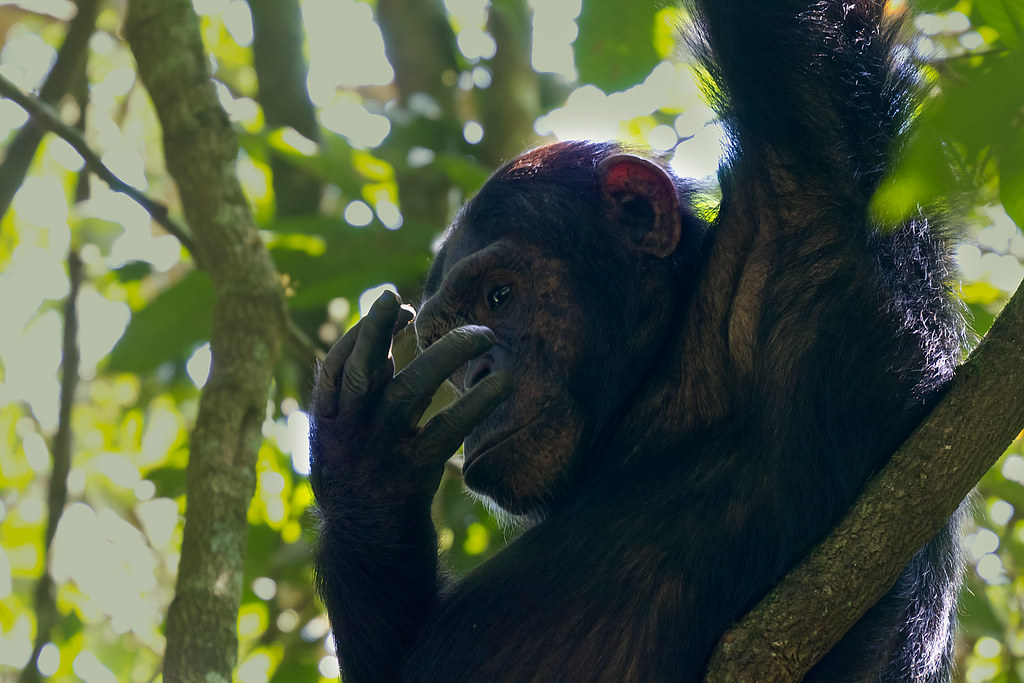
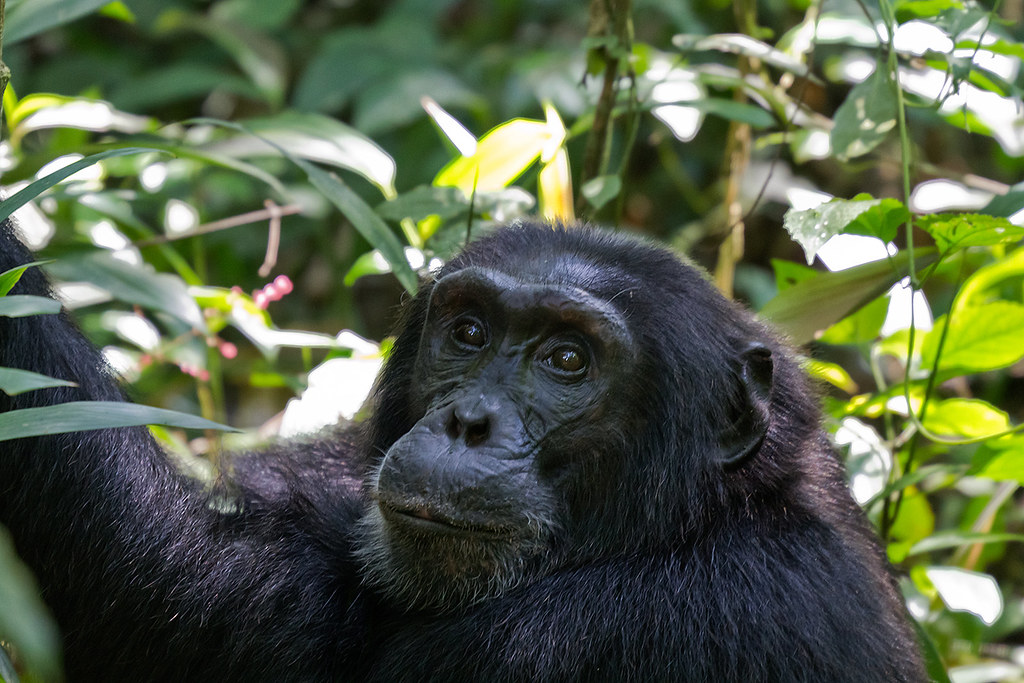
Another important great ape found in Uganda is the Chimpanzee, which is widely recognized for its intelligence, problem-solving ability, and complex social behavior. Chimpanzees are especially abundant in Kibale National Park, which is often described as the primate capital of the world due to the high number of primate species living within its forests.
Chimpanzee communities can contain dozens of individuals who form dynamic social networks where members cooperate, compete, and communicate through vocalizations, facial expressions, and body gestures. One of the most fascinating characteristics of chimpanzees is their ability to use tools in the wild, such as using sticks to collect termites or stones to crack open nuts.
Golden Monkeys of the Mountain Forests
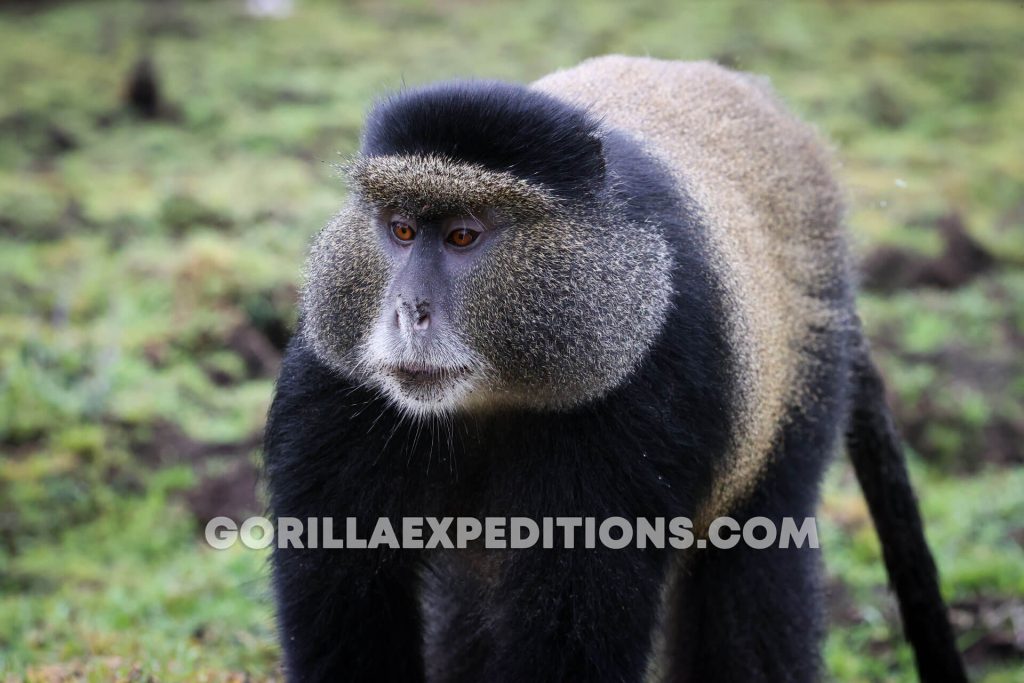
Among Uganda’s most colorful and visually striking primates is the Golden Monkey, which lives in the bamboo forests of Mgahinga Gorilla National Park. These monkeys are easily recognizable because of their bright golden-orange fur and energetic behavior as they leap through bamboo vegetation and forest canopies.
Golden monkeys live in social groups that can include dozens of individuals who move together while searching for bamboo shoots, fruits, insects, and leaves. Their playful nature and striking appearance make them a popular attraction for wildlife tourists who visit Uganda’s mountain forests.
Baboons: Intelligent and Adaptable Ground-Dwelling Primates
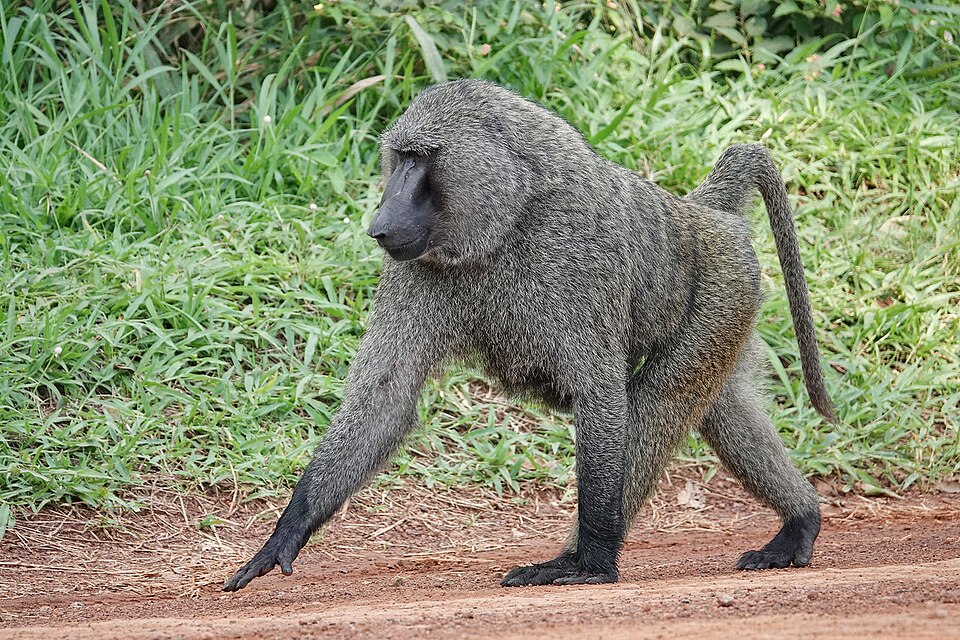
Another widespread primate species found across Uganda is the Olive Baboon, which is known for its adaptability and intelligence. Unlike many forest-dwelling primates, baboons often spend a significant amount of time on the ground where they search for food such as fruits, seeds, roots, insects, and small animals.
Baboons live in large troops that may include dozens of individuals who cooperate to protect the group from predators and locate food resources. They are commonly seen in national parks, savannah landscapes, and even near rural communities where they have learned to adapt to changing environments.
Colobus Monkeys: Graceful Tree-Dwelling Primates
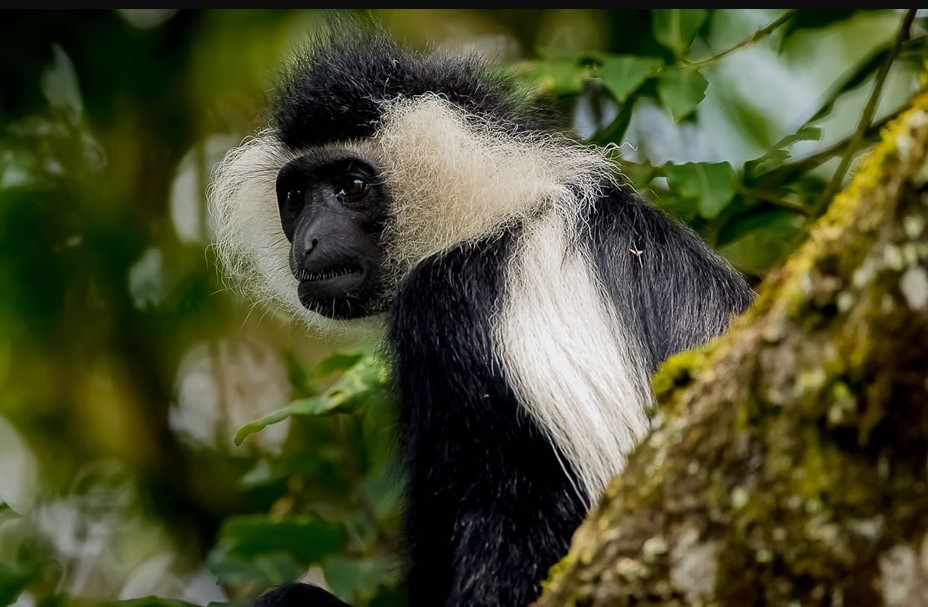
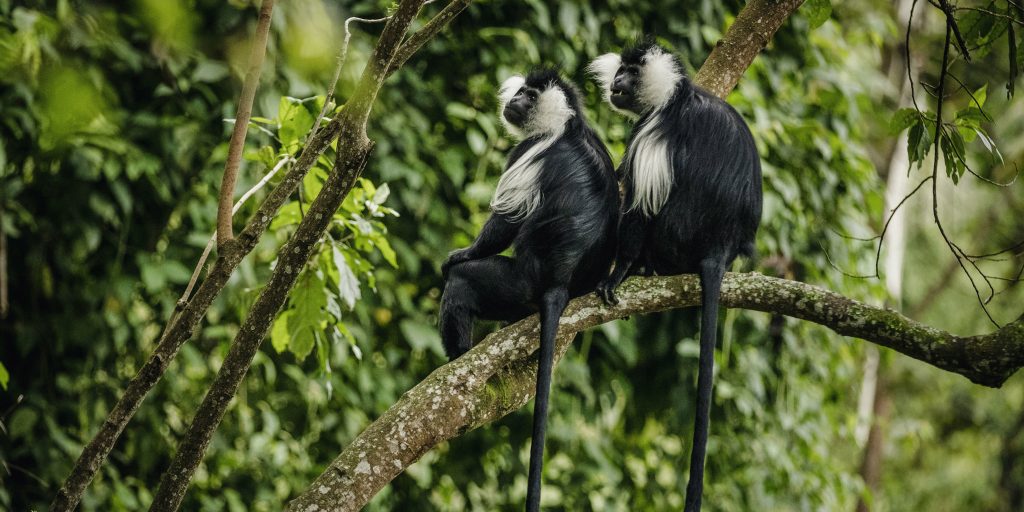
The forests of Uganda are also home to the elegant Black-and-White Colobus, which is easily recognized by its long flowing white tail and contrasting black fur. These monkeys spend most of their lives in the treetops where they move gracefully between branches while feeding on leaves, fruits, and flowers.
Colobus monkeys play an important ecological role because they help disperse seeds throughout the forest, which contributes to plant regeneration and long-term forest health.
Additional Monkey Species Found in Uganda
Uganda is home to several other monkey species that contribute to the country’s rich primate diversity. The Blue Monkey lives in forest habitats where it feeds on fruits, leaves, and insects while moving quietly through the treetops. The Vervet Monkey is commonly seen in savannah landscapes and woodland areas where it forms social groups that communicate through a variety of vocal calls.
The L’Hoest’s Monkey inhabits montane forests and is known for its shy behavior and distinctive white beard-like facial markings. Another forest-dwelling species is the Grey-cheeked Mangabey, which is an agile primate that feeds on fruits and seeds while moving rapidly through forest canopies.
In the open savannah regions of northern Uganda, the Patas Monkey can be found running swiftly across grasslands as it searches for insects, fruits, and seeds.
The Importance of Protecting Uganda’s Primates
Although Uganda remains one of the most important habitats for African primates, these animals still face several challenges including habitat loss, illegal hunting, and the spread of diseases that can affect both humans and wildlife. Conservation organizations and government agencies such as the Uganda Wildlife Authority work continuously to protect these species through habitat preservation, anti-poaching patrols, research programs, and community education initiatives.
Tourism has also become a powerful conservation tool because visitors who come to see gorillas, chimpanzees, and monkeys generate revenue that supports park management and provides economic opportunities for local communities living near protected areas.
Uganda’s Unique Role in Global Primate Conservation
With its extraordinary diversity of primates, Uganda has become one of the most important destinations for wildlife research, conservation, and eco-tourism. From the majestic presence of the Bwindi Impenetrable National Park in the forests of Bwindi Impenetrable National Park to the playful energy of the Golden Monkey and the intelligence of the Chimpanzee in Kibale National Park, Uganda offers one of the richest primate experiences anywhere in the world.
Protecting these animals and their habitats is essential not only for biodiversity but also for scientific understanding of primate evolution and human origins, making Uganda a truly invaluable sanctuary for some of the planet’s most fascinating creatures