

How Rangers Track Gorilla Families
How Rangers Track Gorilla Families, Deep within the dense forests of East and Central Africa, wildlife rangers begin their day long before sunrise. Armed with notebooks, GPS devices, radios, and years of experience, they enter the jungle with one important mission: tracking gorilla families. These highly trained conservation workers play a vital role in protecting one of the world’s most endangered animals — the mountain gorilla. Tracking gorilla families is not only important for tourism but also for conservation, research, and the safety of the gorillas themselves.
The Daily Work of Gorilla Rangers
Gorilla tracking is a demanding task that requires patience, physical strength, and a deep understanding of gorilla behavior. Rangers work in forests such as Bwindi Impenetrable National Park, Volcanoes National Park, and Virunga National Park. These forests are thick, mountainous, and often difficult to navigate, making the job both challenging and adventurous.
The process of tracking gorilla families begins early in the morning. Rangers first gather information from trackers who may have monitored the gorillas the previous evening. Since gorillas move daily in search of food, trackers must locate where each family nested the night before. Gorillas build fresh nests every evening using leaves, branches, and vegetation on the ground or in trees. By finding these nests, rangers can estimate the direction the family may have taken the next morning.
Reading Signs in the Forest
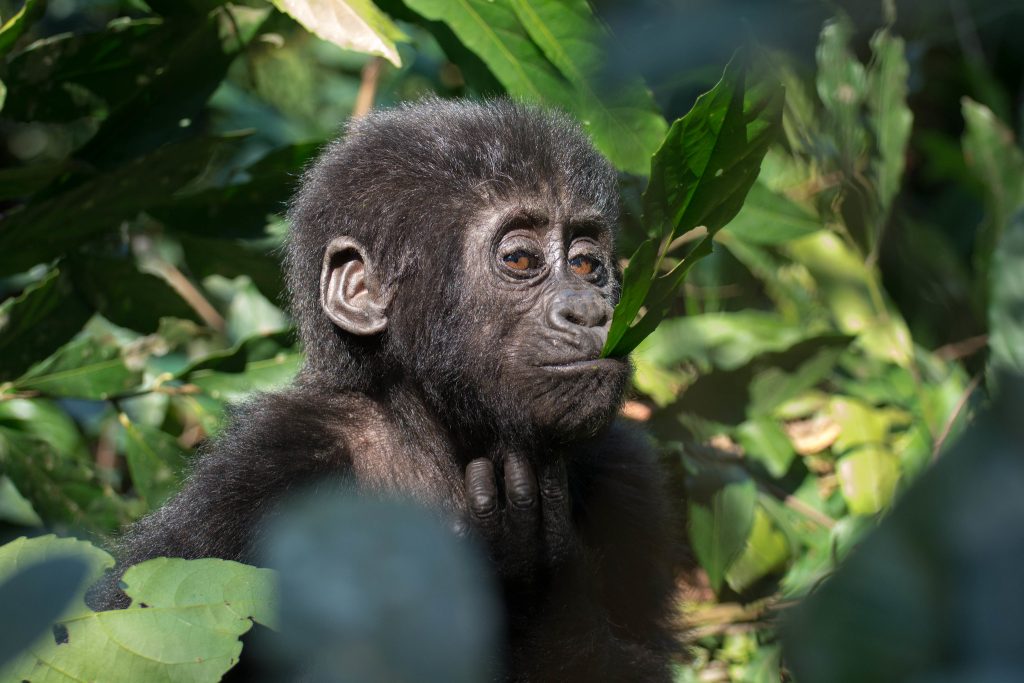
Reading signs left in the forest is one of the most crucial abilities that rangers have. Gorilla trackers observe broken branches, footprints, partially eaten plants, and droppings to determine the movement of a gorilla family. Experienced trackers can even identify specific gorillas based on the size of footprints or the type of feeding patterns they leave behind. These clues act like a map in the jungle, guiding rangers through thick vegetation and steep terrain.
Teamwork and Communication
Rangers also rely heavily on communication and teamwork. Tracking gorillas is rarely a one-person task. Teams of trackers spread out across different sections of the forest while maintaining radio contact. This coordination helps them cover larger areas and quickly share information once a gorilla family is located. Teamwork is especially important because gorillas can travel long distances in a single day.
The Role of Technology in Gorilla Tracking
Technology has also improved the way gorilla families are tracked. Many rangers now use GPS devices to record gorilla movements and map their territories. These digital tools help conservation organizations monitor changes in gorilla behavior, migration patterns, and habitat use over time. Some parks even use camera traps and drones to support tracking efforts, although direct human tracking remains the most reliable method in dense forests.
Understanding Gorilla Behavior
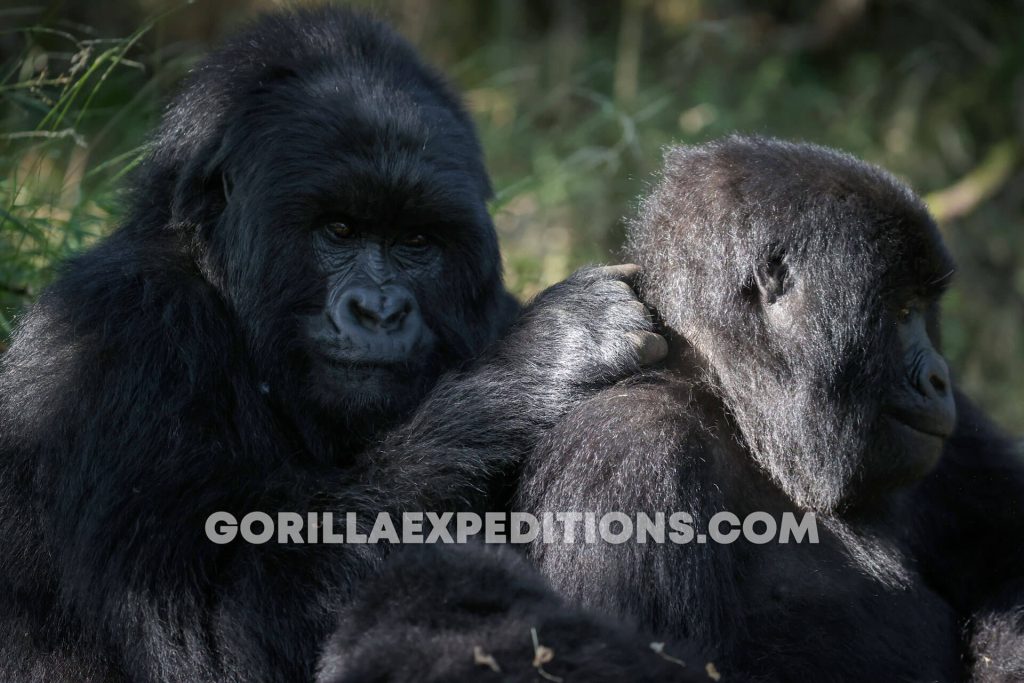
Understanding gorilla behavior is another essential part of successful tracking. Gorillas are social animals that live in families led by a dominant silverback male. The silverback is responsible for protecting the group, making decisions, and guiding movements. Rangers study the habits and personalities of different gorilla families to predict their behavior. For example, some groups are calm and accustomed to human presence, while others are more shy or protective.
Protecting Gorillas During Tracking
To reduce stress on the gorillas, rangers follow strict rules during tracking. They maintain a safe distance, avoid loud noises, and limit the amount of time spent near the animals. Tourists visiting gorillas are also required to follow these guidelines. Rangers ensure that visitors do not get too close, as gorillas can easily catch human diseases such as flu or cough infections. Protecting gorillas from illness is one of the most important responsibilities of conservation teams.
Conservation and Anti-Poaching Efforts
Besides tourism, gorilla tracking is essential for conservation and anti-poaching efforts. Rangers constantly patrol forests to ensure gorillas are safe from illegal hunters and traps. Although mountain gorillas are protected, poaching still threatens wildlife in some regions. Because gorillas can unintentionally become ensnared and hurt, rangers frequently dismantle snares meant for other animals. By monitoring gorilla families daily, rangers can quickly respond to injuries, illnesses, or suspicious activities in the forest.
Supporting Scientific Research
Researchers also benefit greatly from the work of gorilla trackers. Scientists studying gorilla health, social structures, feeding habits, and reproduction depend on accurate information collected by rangers. Long-term monitoring has helped conservationists understand how gorilla populations grow and adapt to environmental changes. This knowledge has contributed to successful conservation programs that have slowly increased mountain gorilla populations over the years.
Challenges Faced by Rangers
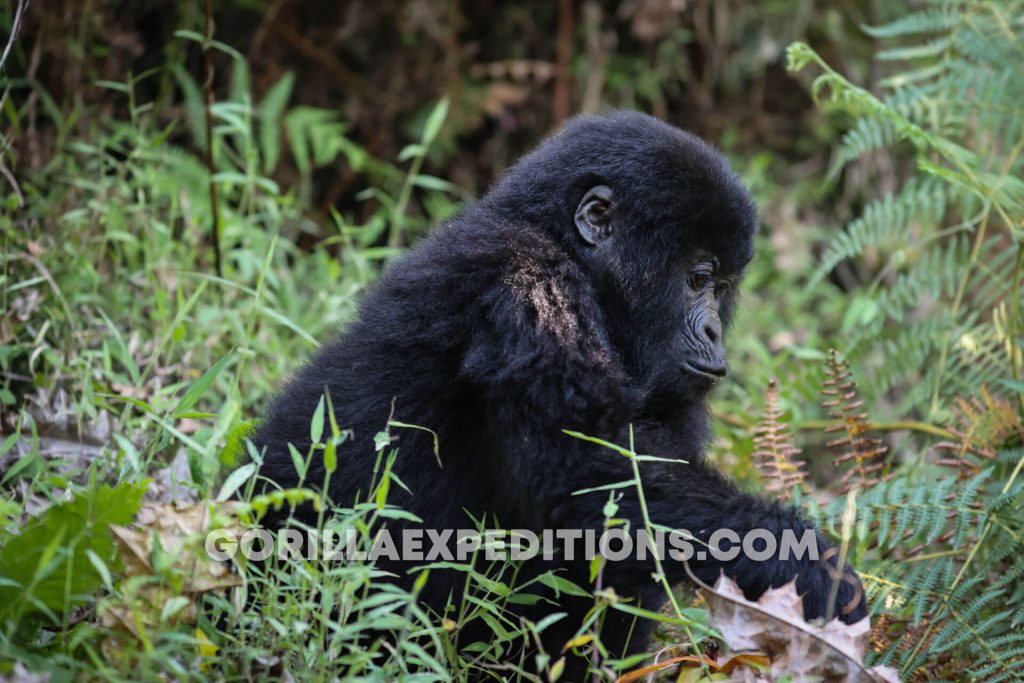
Despite the rewards, tracking gorillas comes with many difficulties. Rangers often hike for hours through muddy trails, heavy rain, and cold mountain conditions. Some forests are home to dangerous wildlife, including forest elephants and buffaloes. In certain regions, political instability and armed conflict can also place rangers at risk. Yet, many continue their work because of their passion for wildlife conservation and their commitment to protecting gorillas for future generations.
The Special Bond Between Rangers and Gorillas
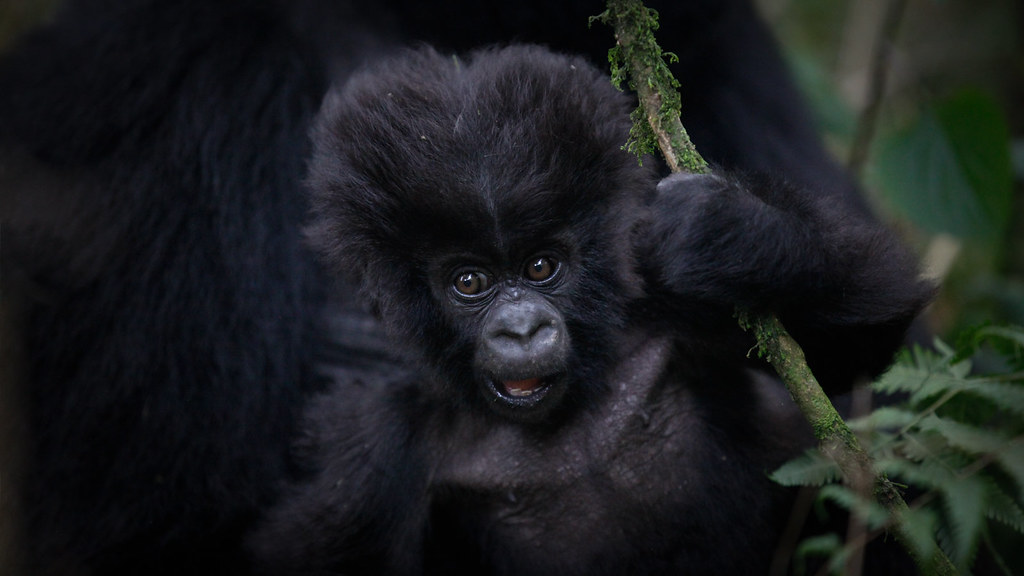
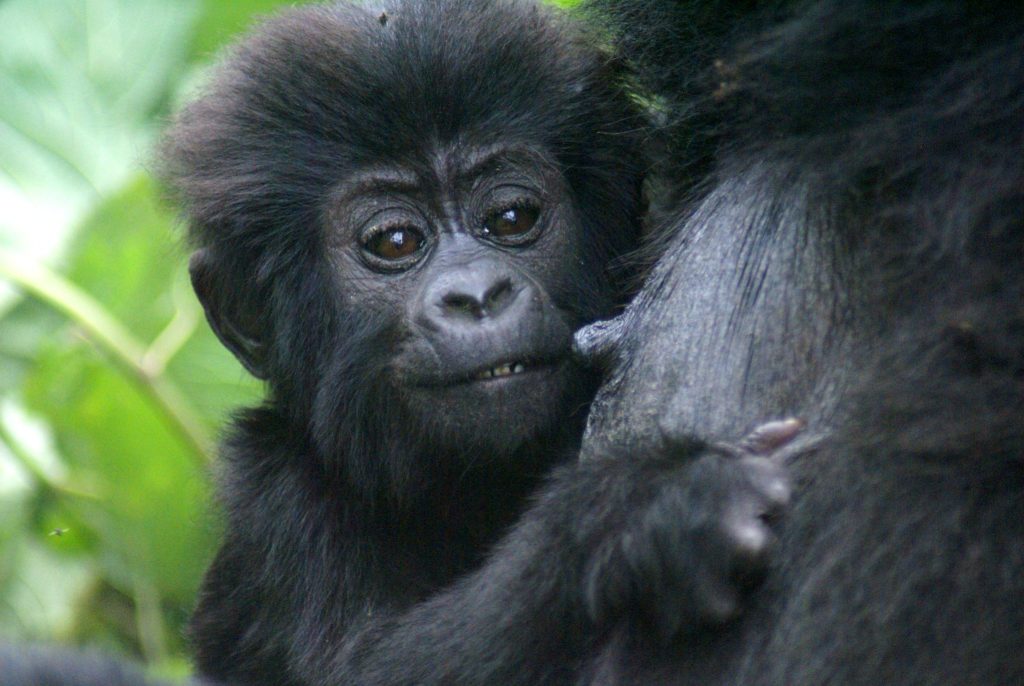
The relationship between rangers and gorilla families is unique. Over time, trackers become familiar with individual gorillas and their personalities. They recognize mothers caring for infants, playful young gorillas, and dominant silverbacks guarding the group. This close observation allows rangers to notice unusual behavior or signs of sickness quickly. In many ways, gorilla trackers become guardians of the families they monitor daily.
Conclusion
The success of mountain gorilla conservation is one of Africa’s greatest wildlife achievements, and rangers are at the center of this success. Through dedication, courage, and careful tracking, they help ensure gorillas survive in their natural habitats. Their work supports tourism, scientific research, and environmental protection while creating awareness about the importance of conserving endangered species.
In conclusion, tracking gorilla families is far more than simply finding animals in the forest. It is a complex and important conservation activity that combines traditional tracking skills, scientific knowledge, teamwork, and modern technology. Rangers devote their lives to protecting gorillas and preserving fragile ecosystems. Without their daily efforts, mountain gorillas would face far greater threats to their survival.