

How to Choose a Gorilla Family in Rwanda: The Complete Guide?
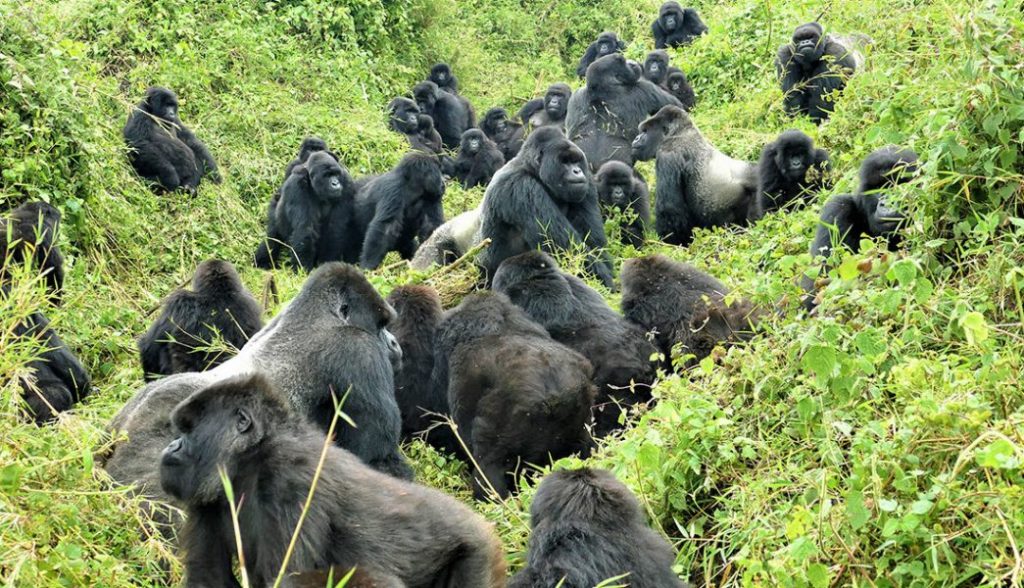
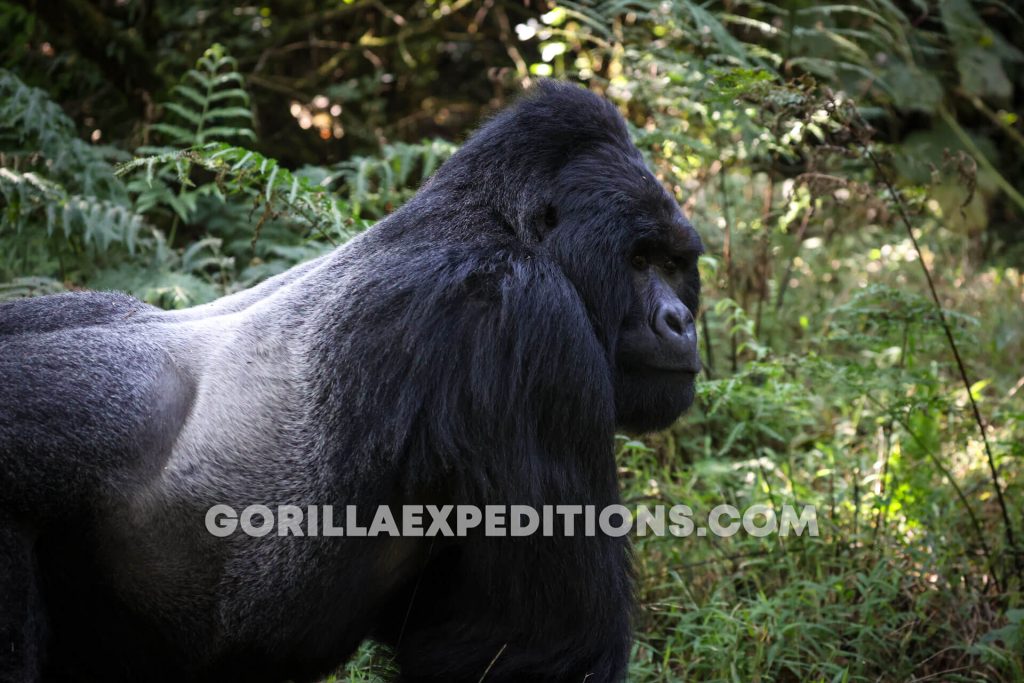
Tracking mountain gorillas in Rwanda is one of the most remarkable wildlife experiences on Earth. Deep in the misty rainforests of Volcanoes National Park, visitors set out on a journey through lush vegetation, steep slopes, and rugged terrain in search of majestic gorilla families. These forest dwellers, led by powerful silverbacks, live in social groups that have been gradually habituated to human presence so that visitors can observe them in a respectful, protected way. But with several gorilla groups to choose from and varying trekking conditions, knowing how to choose the right family can make your trip genuinely unforgettable.
In this guide, we walk you through practical tips and considerations to help you choose the gorilla family that suits your interests, fitness level, and expectations — ensuring an enriching and safe trekking experience.
Understand the Allocation System
Before diving into individual family characteristics, it’s important to know how Rwanda’s gorilla family system works.
Unlike some destinations where tourists can pre-select a specific gorilla family when booking, in Rwanda you typically cannot reserve a specific group in advance. The Rwanda Development Board is responsible for allocating gorilla families on the day of your trek. Allocation is based on several key factors such as your fitness level, age, trekking preferences, and the current location of each family in the forest.
This means that even if you have a particular group in mind, the final decision usually happens at the morning briefing at the park headquarters. Being honest and communicative about your trekking ability and interests can help rangers match you with a suitable group.
Know the Gorilla Families Available
Volcanoes National Park is home to about 10–12 habituated gorilla families available for trekking. Each family lives in a distinct territory and may vary in size, terrain, behavior, and ease of access.
Some of the well-known groups include:
- Susa A and Susa B: large families, historically studied by conservationists, often found at higher altitude and requiring more challenging hikes.
- Sabyinyo: a family with relatively easier access and terrain that tends to be closer to the park boundary, making it a good choice for moderate fitness levels.
- Amahoro: known for a “peaceful” temperament and rewarding photographic opportunities, though the terrain can still be steep.
- Kwitonda and Agashya: groups that can offer dynamic experiences but may involve varied distances from the trailhead.
- Bwenge, Ugenda, Titus and Umubano: other habituated families that visitors may be assigned to, each with unique characteristics and trek conditions.
- Understanding broad traits of these families: large versus small, calm versus active, close versus remote, helps you articulate preferences to the rangers during the briefing
Assess Your Fitness Level Realistically
One of the most important factors in choosing a suitable gorilla family is your physical fitness.
Gorilla trekking ranges from relatively moderate hikes of 2–3 hours through dense forest to longer treks of 4–6 hours involving steep climbs and muddy paths.
At the briefing, park officials will ask about your ability and comfort with various levels of physical exertion. For example:
If you prefer a shorter, less strenuous trek, rangers may recommend families like Sabyinyo, which are typically closer to the park entrance and involve gentler terrain.
If you are fit and enjoy hiking or seek a more adventurous experience, you might be matched with families like Susa A that live higher up in the forest and require longer walks.
Being transparent about your comfort level ensures that you don’t end up on a route that’s physically overwhelming or risky.
Consider Your Interests
Every visitor has a different goal some seek breathtaking photography, others want close encounters with young gorillas, while others prefer a peaceful family with steady behavior.
Here are a few interest-based tips:
For Photographers
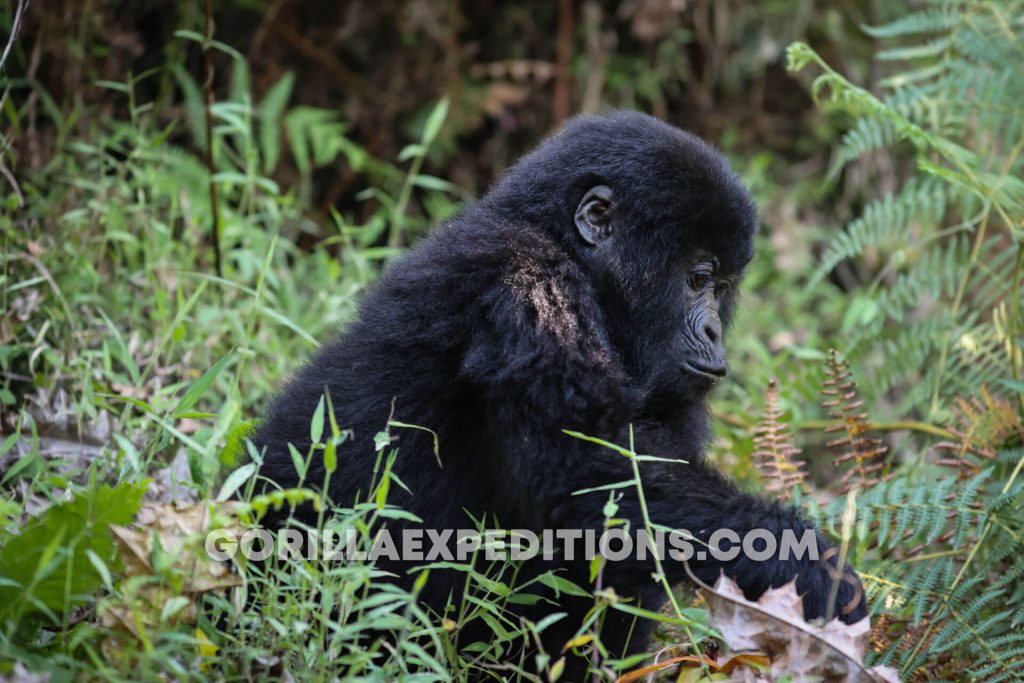
Groups with young, playful gorillas often make for the best photography subjects. Families with active juveniles tend to offer fun interactions that are visually dynamic.
For Scenic Experiences
Trekking to families that inhabit higher elevations can reward you not just with gorillas but also with breathtaking views of volcanic peaks and misty valleys.
For Gentle Wildlife Viewing
Some families are known for more relaxed behavior among members, making them ideal if you prefer deeper observation rather than long hikes.
Sharing these preferences with your trekking guide or ranger at the briefing increases your chances of a more rewarding match.


Talk to Your Guide Before Departure
The morning briefing at the park headquarters is where choices begin to take shape. Before setting off, you’ll meet your guide and ranger team who will lead you into the forest.
- This is your opportunity to:
- Ask about the current location of families
- Express whether you prefer a shorter or more challenging trek
- Mention any special interests (photography, peaceful viewing, etc.)
- Discuss seasonal trail conditions (rainy seasons can make terrain slippery)
- Rangers are experienced in interpreting the daily conditions and can tailor your gorilla family assignment to suit your needs when possible.
Book in Advance and Prepare for Flexibility
Since the Rwanda gorilla trekking experience is highly regulated, it’s crucial to secure your gorilla permit early often many months in advance. Permits are limited, with only eight visitors allowed per family per day.
However, even with an early permit, specific family assignments may still happen on the day of your trek. So, while you can prepare and express your preferences, flexibility remains key to a smooth experience.
Enjoy the Experience Respectfully
Once you set off into the forest and begin the trek to your assigned gorilla family, remember that your goal is coexistence and respect. Mountain gorillas are wild, gentle animals, and observance of ethical guidelines such as maintaining an appropriate distance and following ranger instructions helps ensure their safety as well as yours.
A successful gorilla trek in Rwanda isn’t just about “choosing the right family.” It’s about combining preparation, communication, realistic expectations, and respect for wildlife to create an unforgettable, responsible encounter with one of Africa’s most magnificent species.
Conclusion
Choosing a gorilla family in Rwanda is less about locking in a specific name and more about aligning your fitness, interests, and expectations with what the park authorities and ranger team can offer on the day of your trek. By understanding the allocation system, knowing the general character of different families, communicating your needs clearly, and preparing for varied terrain, you give yourself the best chance of an extraordinary gorilla trekking adventure.
With careful planning and the right mindset, your encounter with Rwanda’s gorillas will be one of the most moving and memorable moments of your life.