

In the Middle of Nowhere With the Gorillas in Bwindi, Uganda
In the Middle of Nowhere With the Gorillas in Bwindi, Uganda, In the far southwest of Uganda, where paved roads fade into red earth and phone signals disappear, Bwindi Impenetrable Forest rises like a forgotten world. Thick mist hangs over ancient trees, vines twist endlessly through the canopy, and silence settles in deep layers. This place feels remote in every sense of the word. Here, surrounded by dense rainforest and rugged hills, travelers find themselves in the middle of nowhere—and face to face with mountain gorillas.
Bwindi does not offer glamour or convenience. It offers something far rarer: raw wilderness, deep connection, and an encounter that changes how people understand nature.
Reaching the Middle of Nowhere
The journey to Bwindi already feels like an adventure. From Kampala or Entebbe, travelers drive for hours through changing landscapes, busy towns give way to rolling farmland, banana plantations, and steep hills. As the road narrows, the forest appears suddenly, dark and imposing.
Villages around Bwindi remain small and quiet. Chickens cross dirt paths. Children wave at passing vehicles. Life moves slowly here, guided by daylight and seasons rather than schedules. Once travelers arrive, the outside world fades away.
This sense of isolation defines Bwindi. No city lights glow at night. No traffic noise interrupts the dawn. The forest dominates everything.
Bwindi Impenetrable Forest: A Living Ancient World
Bwindi Impenetrable National Park stands as one of Africa’s oldest forests. The ecosystem has survived for over 25,000 years, sheltering thousands of plant and animal species. Towering hardwood trees, thick undergrowth, and tangled vines create a jungle so dense that sunlight struggles to reach the ground.
The forest feels alive. Birds call constantly. Insects buzz through the air. Leaves crack underfoot. Every step reminds visitors that they have entered a world ruled by nature.
This forest protects nearly half of the world’s remaining mountain gorillas, making it one of the most important conservation areas on the planet.
Meeting Gorillas in the Wild
Gorilla trekking begins early in the morning. Guides lead small groups into the forest, following narrow trails and animal paths. The hike demands effort. Steep slopes, muddy ground, and thick vegetation challenge even experienced hikers. Then, suddenly, the forest opens.
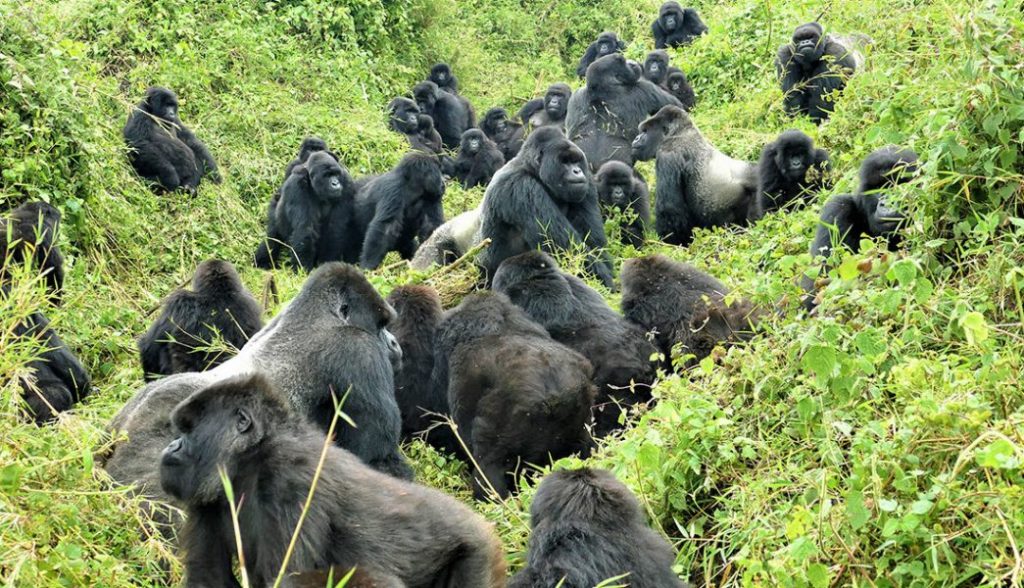
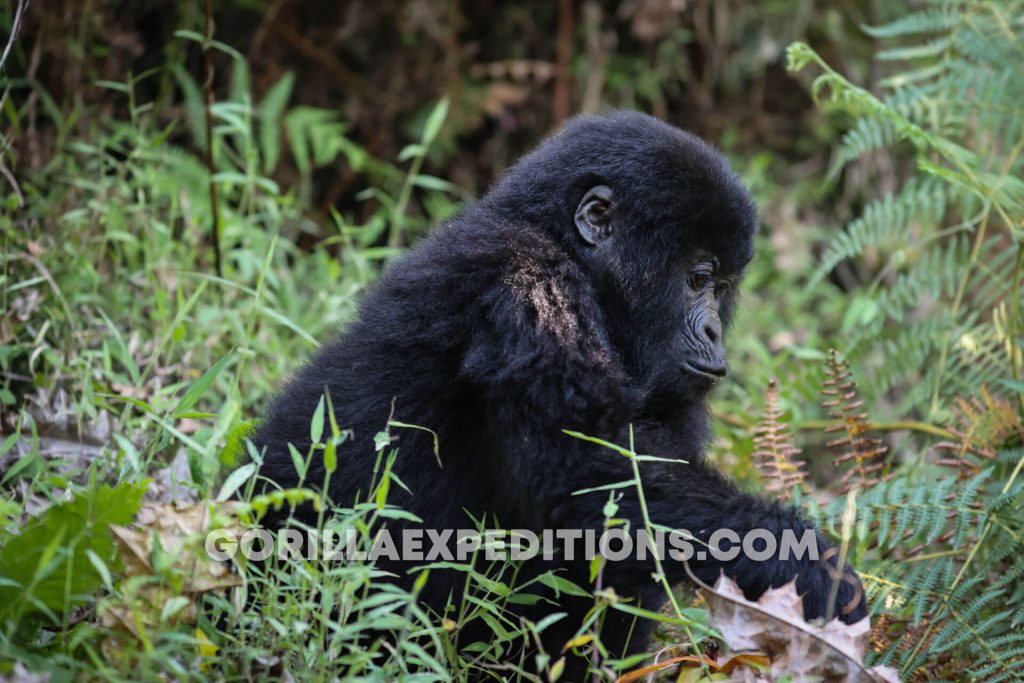
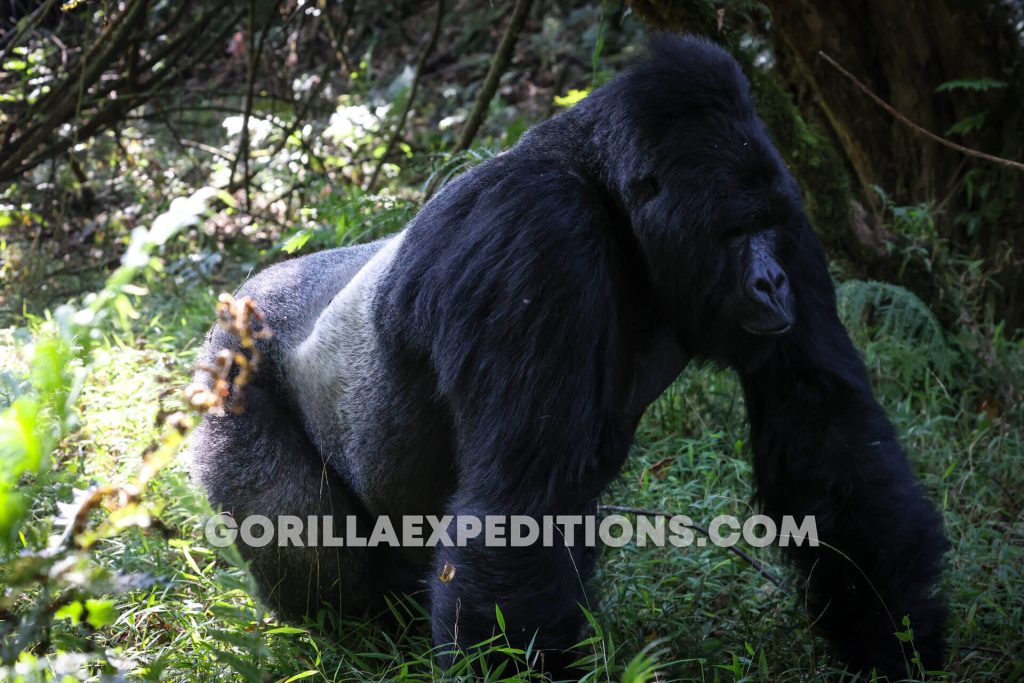
A massive silverback sits calmly among the foliage. Young gorillas tumble through the leaves. Mothers cradle their infants with gentle strength. The forest seems to hold its breath.
Spending time with mountain gorillas feels surreal. These animals share nearly 99% of human DNA, and their expressions reflect emotion, intelligence, and awareness. Eye contact carries weight. Silence becomes natural.
In that moment, surrounded by forest and gorillas, travelers truly stand in the middle of nowhere—yet feel deeply connected to everything.
Example: Tracking Gorillas in Ruhija Sector
In the higher-altitude Ruhija sector of Bwindi, mist often blankets the forest. Treks here take visitors through moss-covered trees and steep ridges. Gorilla families in this area roam wide territories, making each trek unpredictable.
Travelers often walk for hours before finding the gorillas. When they do, the reward feels immense. The remoteness of Ruhija intensifies the experience. Few lodges exist nearby, and human presence remains minimal.
Here, the feeling of isolation deepens. The forest surrounds visitors completely, and gorillas move freely, unaware of borders or roads.
Example: A Quiet Evening Near Buhoma
In the Buhoma region, near the park’s main entrance, community-run lodges sit close to the forest edge. At night, the sounds of Bwindi fill the air. Insects sing. Forest creatures move unseen. Sometimes, distant gorilla calls echo faintly through the trees.
Electricity remains limited. Lanterns replace streetlights. Guests gather around fireplaces, sharing stories under a sky full of stars.
This simplicity reinforces the sense of being far from modern life. No distractions compete with the moment.
Life Around Bwindi’s Edges
Communities around Bwindi live closely with the forest. Many families rely on farming, craft-making, and tourism for income. Local guides, porters, and rangers play a critical role in protecting gorillas and supporting visitors.
Community tourism projects allow travelers to experience village life. Visitors join guided walks, learn traditional farming methods, or listen to local stories. These experiences show how people and forest coexist.
Being “in the middle of nowhere” does not mean being disconnected from people. It means experiencing life in its most grounded form.
Conservation in a Remote Place
Bwindi’s remoteness helps protect its wildlife, but conservation still requires constant effort. Rangers monitor gorilla families daily. Veterinary teams respond quickly to injuries or illness. Communities receive benefits from tourism revenue, which reduces pressure on forest resources.
Every gorilla trekking permit supports conservation, healthcare, and education. Tourism transforms isolation into protection.
The middle of nowhere becomes a stronghold for survival.
Emotional Impact of the Experience
Many travelers struggle to describe how Bwindi feels. The isolation strips away routine and expectation. Without constant noise or technology, the senses sharpen.
Meeting gorillas in this setting often triggers reflection. People think about humanity’s place in nature, responsibility toward wildlife, and the importance of protecting remaining wild spaces.
Bwindi does not entertain. It humbles.
Why Bwindi Feels Different from Anywhere Else
Other destinations offer wildlife viewing, but Bwindi offers immersion. Visitors do not observe from a distance. They step into the forest and become part of it, even briefly.
The lack of luxury infrastructure enhances authenticity. The effort required to reach the gorillas makes the encounter meaningful. The forest does not bend to comfort.
Bwindi reminds people that nature existed long before modern life and will continue if protected.
Conclusion
Standing in the middle of nowhere with the gorillas in Bwindi, Uganda, feels like stepping outside time. The forest closes in, the world grows quiet, and life slows to its most natural rhythm.
This experience goes beyond tourism. It becomes a moment of connection—with wildlife, with local communities, and with the deeper meaning of conservation.
Bwindi does not call loudly. It waits patiently. Those who answer its call leave changed, carrying the memory of mist, forest, and gorillas long after they return to the modern world.