

Must-Do Experiences in Africa: A Journey Through the Continent’s Most Unforgettable Adventures
Must-Do Experiences in Africa: Africa is not a single story but a vast, diverse continent where every region offers something profoundly different, and for travelers seeking meaningful experiences, it presents an unmatched combination of wildlife, landscapes, culture, and history that cannot be replicated anywhere else in the world. From the sweeping savannahs of Serengeti National Park to the ancient deserts of Namib Desert, Africa invites exploration on a scale that feels both humbling and exhilarating, making it essential to prioritize the experiences that truly define the continent.
Witness the Great Migration in East Africa
One of the most extraordinary wildlife spectacles on Earth takes place between Tanzania and Kenya, where millions of wildebeest, zebras, and gazelles move across the plains in search of fresh grazing. This phenomenon, known as the Great Migration, unfolds across ecosystems like the Serengeti and the Maasai Mara, creating dramatic scenes of river crossings, predator-prey interactions, and endless herds stretching to the horizon. Experiencing this event in person offers a deeper appreciation for the raw, unscripted rhythms of nature.
Go on a Classic Safari Adventure
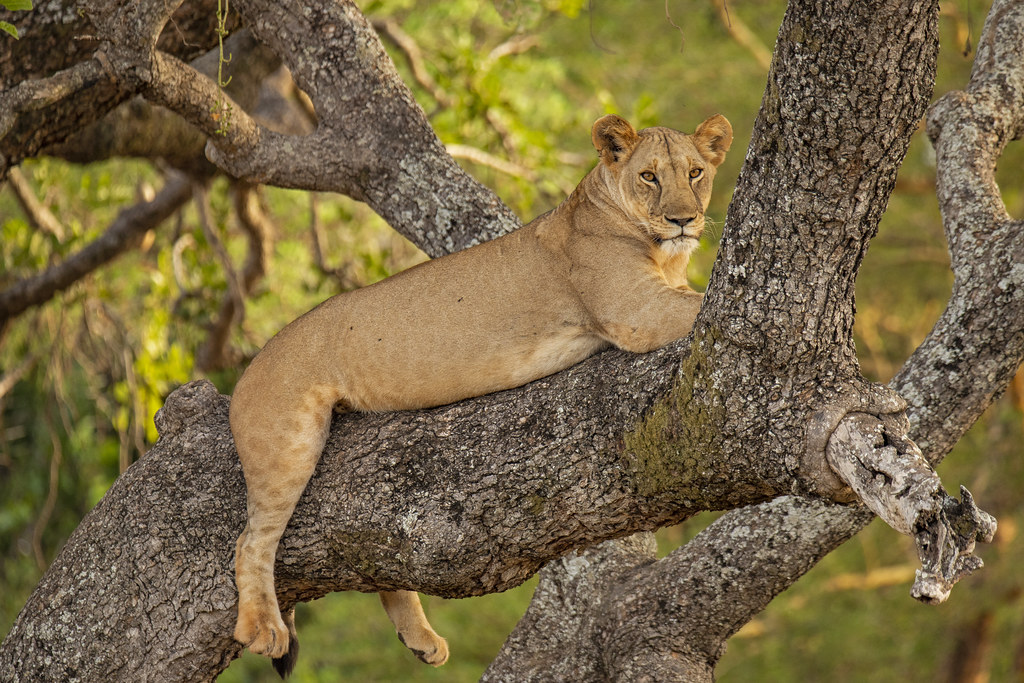
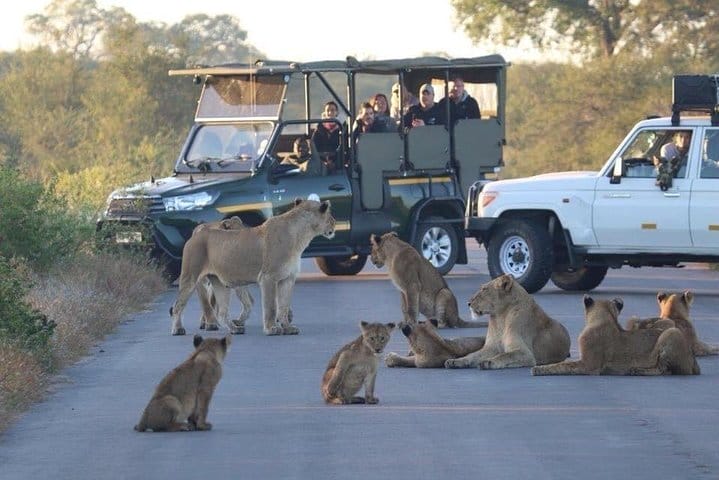
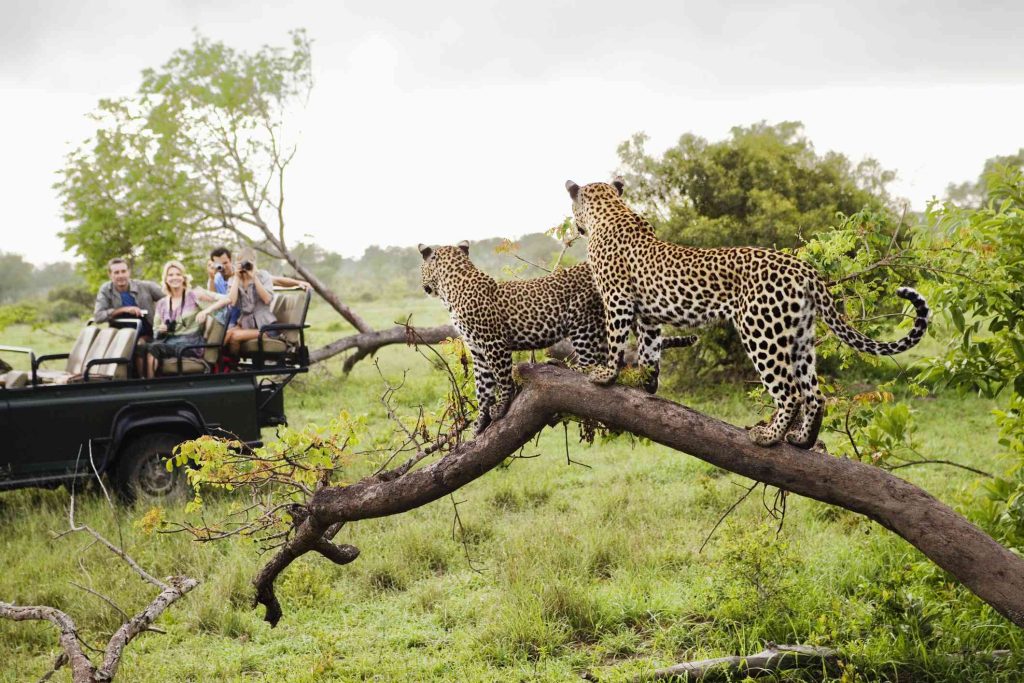
A safari is often the centerpiece of any African journey, and destinations such as Kruger National Park in South Africa provide an accessible yet richly rewarding introduction to wildlife viewing. Here, travelers can encounter the “Big Five” — lions, elephants, leopards, rhinos, and buffalo — in their natural habitats, guided by experienced trackers who bring context and insight to every sighting. The experience is not just about spotting animals but about understanding ecosystems and the delicate balance that sustains them.
Track Mountain Gorillas in Central Africa
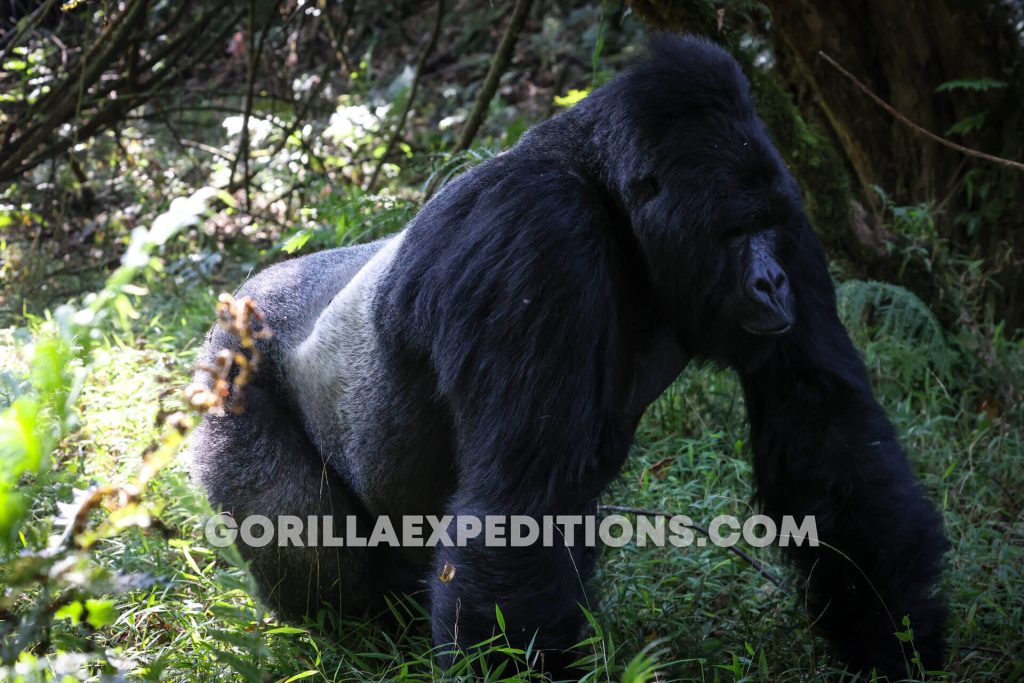
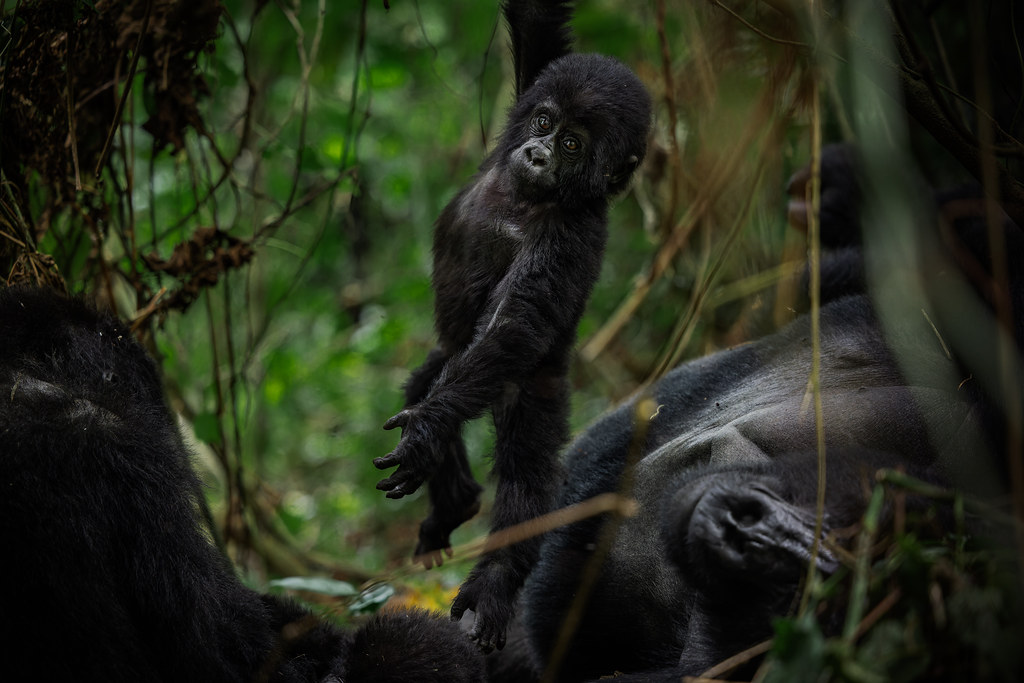
Few experiences rival the emotional intensity of coming face to face with mountain gorillas in the wild, and places like Bwindi Impenetrable National Park in Uganda offer one of the best opportunities to do so. Trekking through dense forest to find a gorilla family requires patience and physical effort, but the reward is an intimate encounter that feels both powerful and deeply personal, often leaving a lasting impression on those who experience it.
Stand in Awe of Victoria Falls
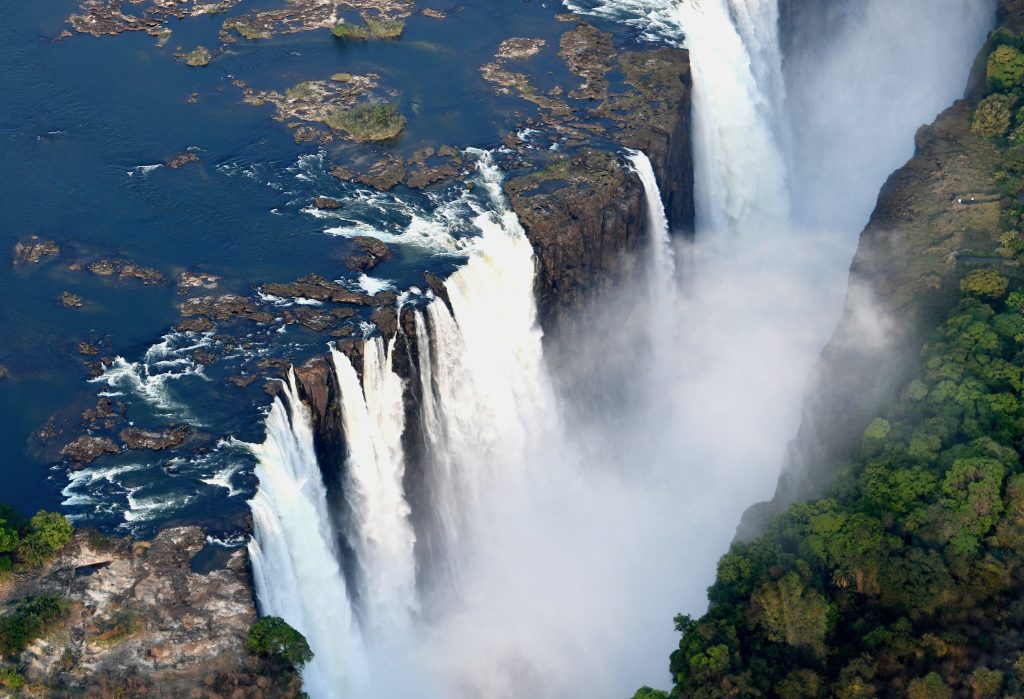
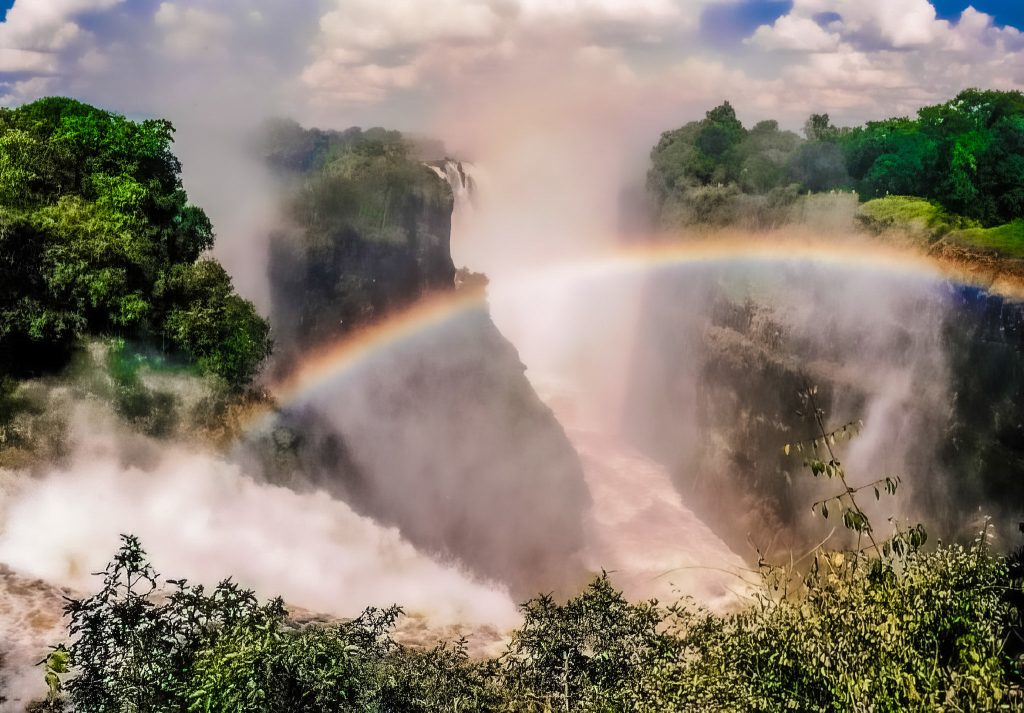
Known locally as “The Smoke That Thunders,” Victoria Falls is one of the largest and most dramatic waterfalls in the world, straddling the border between Zambia and Zimbabwe. The sheer volume of water cascading over the edge creates a constant mist that can be seen from miles away, and exploring the surrounding rainforest trails offers multiple viewpoints that reveal the scale and power of this natural wonder.
Explore the Pyramids of Giza
No trip to Africa would be complete without engaging with its ancient history, and the pyramids of Giza in Egypt remain one of the most iconic landmarks in the world. These monumental structures, built thousands of years ago, continue to inspire curiosity and admiration, offering insight into one of the earliest and most advanced civilizations in human history.
Experience the Culture of Marrakech
In North Africa, Marrakech offers a sensory-rich experience where bustling souks, intricate architecture, and vibrant street life come together to create a city that feels alive at every moment. From traditional raids to spice markets and historic palaces, exploring Marrakech provides a deeper understanding of Moroccan culture and the influences that have shaped it over centuries.
Discover the Beauty of Namib Desert
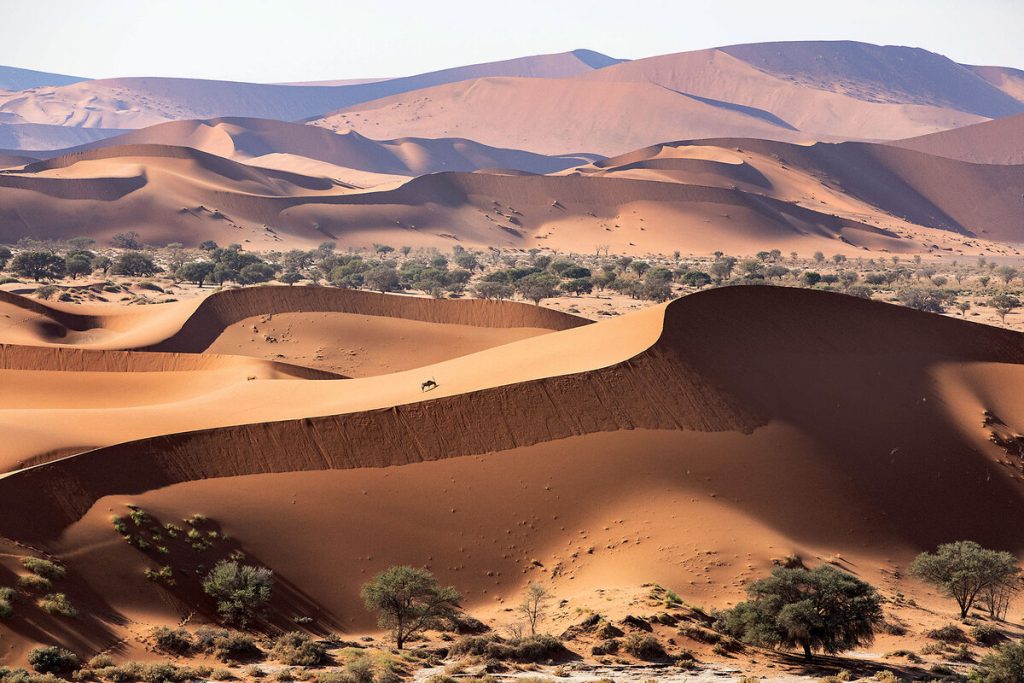
The Namib Desert in Namibia is one of the oldest deserts in the world, known for its towering red sand dunes and surreal landscapes that seem almost otherworldly. Visiting areas like Sossusvlei allows travelers to climb some of the highest dunes on Earth and witness sunrises that transform the desert into a palette of shifting colors, creating moments that feel unforgettable.
Cruise the Nile River
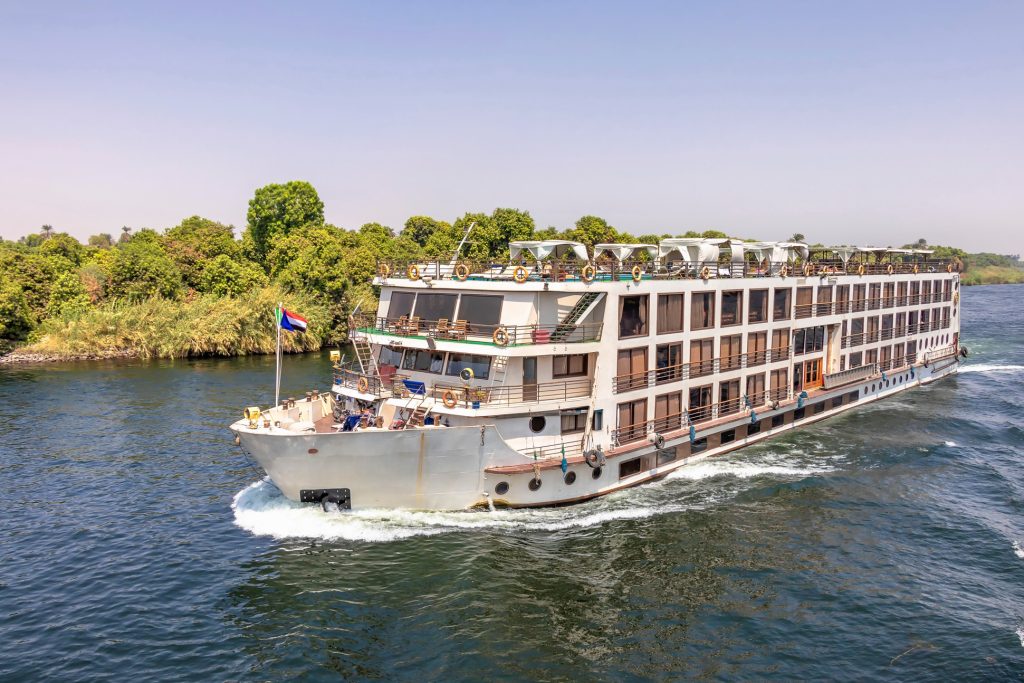
The Nile River has shaped civilizations for thousands of years, and a cruise along its waters offers a unique way to explore the historical and cultural heritage of countries like Egypt and Sudan. Along the way, travelers can visit ancient temples, villages, and archaeological sites, gaining a deeper appreciation for the role this river has played in human history.
Relax on the Beaches of Zanzibar
After days of exploration and adventure, the beaches of Zanzibar provide a perfect setting to unwind and turquoise waters creating a tranquil environment that contrasts beautifully with the intensity of a safari. Beyond relaxation, Zanzibar also offers cultural experiences in Stone Town, where history and architecture reflect a blend of African, Arab, and European influences.
When to Visit Africa:
Africa is a vast continent made up of dramatically different climates, landscapes, and ecosystems, which means there is no single “best time” to visit the entire region at once, because what is ideal for a safari in East Africa may be completely different from what works for a desert adventure in North Africa or a coastal escape in Southern Africa. Understanding the seasonal patterns across different regions is therefore essential for planning a successful trip, especially if you want to maximize wildlife sightings, avoid extreme weather, and experience each destination at its most rewarding.
At its core, Africa’s travel seasons are shaped by two main factors: rainfall patterns and temperature variations, both of which influence wildlife movement, accessibility of roads, and overall travel comfort. Once you understand how these elements interact across regions, it becomes much easier to decide when and where to go.
Understanding Africa’s Seasonal Patterns
Unlike regions with four distinct seasons, much of Africa operates on a simpler cycle of wet and dry seasons, although the timing of these seasons varies depending on location and proximity to the equator. In general, the dry season is considered the best time for wildlife viewing, as animals gather around water sources and vegetation is less dense, making sightings easier. On the other hand, the wet season transforms landscape into lush green environments, offering dramatic scenery, fewer tourists, and unique wildlife behaviors, particularly for birdwatching and newborn animals.
However, the experience differs significantly between regions, so it is important to break Africa down into its major travel zones.
Best Time to Visit East Africa
In East Africa, which includes countries like Uganda, Kenya, and Tanzania, the travel seasons are generally divided into dry and rainy periods that strongly influence safari conditions.
The best overall time to visit is during the dry seasons, which typically run from June to October and again from December to February. During these months, wildlife viewing is at its peak because animals congregate near rivers and waterholes, and the vegetation is thinner, allowing for clearer visibility across savannah landscapes such as those found in Serengeti National Park.
This period also aligns with major natural events such as the Great Migration, where millions of wildebeest and zebras move across the plains, creating one of the most spectacular wildlife displays on Earth. However, this is also peak tourist season, meaning higher prices and more visitors in popular parks.
The rainy seasons, which occur roughly from March to May and again from November to early December, bring heavy but often short-lived showers that transform the landscape into a lush green paradise. While some roads can become challenging, this is a fantastic time for photographers, birdwatchers, and travelers seeking fewer crowds and lower costs.
Best Time to Visit Southern Africa
Southern Africa, including countries like South Africa, Botswana, Namibia, and Zimbabwe, follows a slightly different seasonal pattern, where the dry winter months from May to October are considered ideal for safaris.
During this period, vegetation becomes sparse and animals gather around permanent water sources, making game viewing in places like Kruger National Park particularly rewarding. The cooler temperatures also make outdoor activities more comfortable, especially during early morning and late afternoon game drives.
The summer months from November to April bring rainfall, which varies in intensity depending on the region. While some areas experience lush green landscapes and excellent birding opportunities, others may become humid or harder to navigate due to muddy roads. However, this is also the season when many animals give birth, offering unique wildlife viewing opportunities that are not available during the dry season.
Best Time to Visit North Africa
North Africa, which includes countries such as Egypt and Morocco, experiences a more Mediterranean and desert climate, where temperature rather than rainfall is the main factor influencing travel.
The best time to visit is generally from October to April, when temperatures are cooler and more suitable for exploring cultural and historical sites. In destinations like Giza, this period allows for comfortable visits to the pyramids and desert excursions without the extreme heat that dominates the summer months.
From May to September, temperatures can rise significantly, especially in desert regions, making daytime travel more challenging, although early mornings and evenings can still be manageable for experienced travelers.
Best Time to Visit West Africa
West Africa has a more tropical climate, with a distinct wet season and dry Harmattan season influenced by desert winds. Countries such as Ghana, Senegal, and Nigeria experience heavy rains between May and October, which can affect travel logistics but also bring vibrant green landscapes and cultural festivals.
The dry season from November to March is generally the most comfortable time to visit, as humidity levels are lower and road conditions are more stable. The Harmattan winds during this period can bring dry, dusty air from the Sahara, creating hazy skies but also cooler temperatures that make travel more pleasant.
Choosing the Right Time Based on Your Travel Style
Rather than focusing only on months, the best way to decide when to visit Africa is to consider your travel priorities, because different seasons offer different advantages depending on what you want to experience.
If your main goal is wildlife viewing and safaris, the dry seasons across most regions are ideal because animals are easier to spot and conditions are more predictable. If you are more interested in photography, cultural experiences, or avoiding crowds, the shoulder and rainy seasons may offer better value and more intimate encounters with nature.
For adventure travelers, timing can also depend on specific events such as the Great Migration river crossings, gorilla trekking conditions in East Africa, or desert exploration in Namibia, all of which require careful seasonal planning.