
The Economic Impact of Gorilla Tourism on Rwanda
The Economic Impact of Gorilla Tourism on Rwanda, Gorilla tourism has become one of the most powerful economic drivers in Rwanda’s modern development story. What began as a conservation strategy to protect endangered mountain gorillas has evolved into a cornerstone of national revenue generation, job creation, infrastructure expansion, and international branding. The structured management of gorilla trekking in Volcanoes National Park has positioned Rwanda as a high-value destination within the global tourism market.
Mountain gorillas survive in only a few protected areas worldwide. Rwanda’s disciplined tourism framework has transformed this rare wildlife asset into a sustainable economic engine. The impact extends far beyond park boundaries. Gorilla tourism influences local livelihoods, foreign investment, national infrastructure, and Rwanda’s global reputation.
Contribution to National Revenue
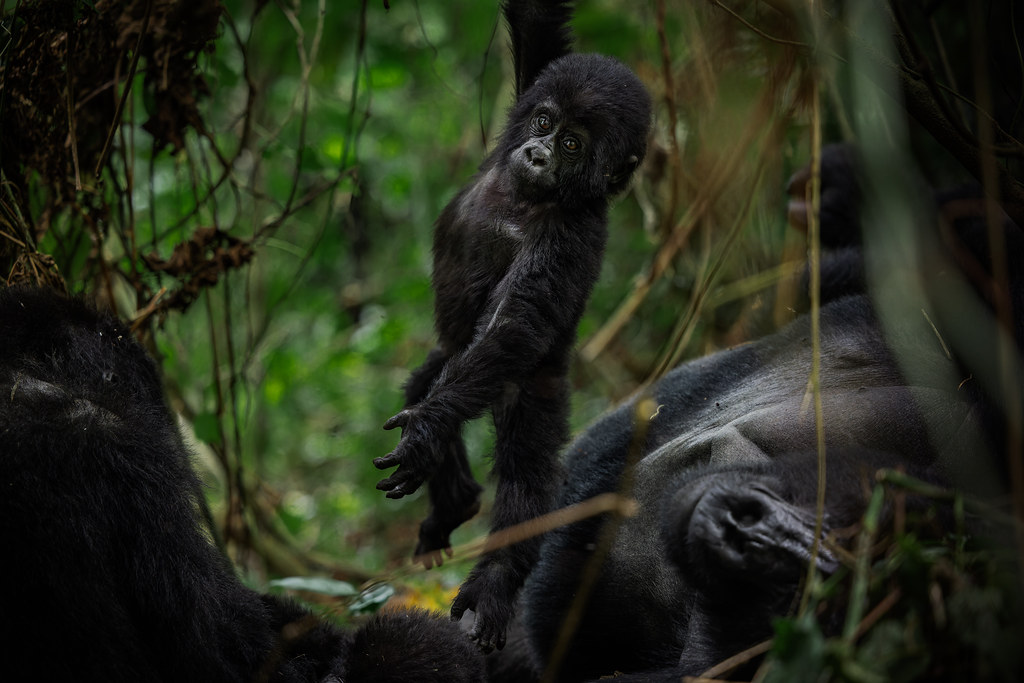
Gorilla permits represent one of Rwanda’s most valuable tourism products. The premium pricing model, combined with limited daily visitation, generates substantial revenue per traveler. Rather than pursuing high visitor numbers, Rwanda focuses on high-value tourism that maximizes economic return while protecting ecological integrity.
Revenue from gorilla permits contributes directly to conservation budgets, but it also feeds into broader national income streams through taxes, service charges, and business growth. Tourism consistently ranks among Rwanda’s top foreign exchange earners.
This steady inflow of international revenue strengthens macroeconomic stability and supports government investment in infrastructure and social services.
Job Creation and Employment Growth
Gorilla tourism sustains thousands of direct and indirect jobs across Rwanda. Within Volcanoes National Park, employment includes park rangers, trackers, guides, veterinary staff, administrative personnel, and security teams. These roles require professional training and provide stable income.
Beyond the park, the tourism value chain expands significantly. Lodges, hotels, transport companies, tour operators, restaurants, and craft markets depend heavily on gorilla-related travel. Drivers, chefs, housekeepers, porters, and artisans all benefit from visitor expenditure.
This employment ecosystem strengthens rural economies in Musanze and surrounding districts, reducing reliance on subsistence agriculture and promoting diversified income streams.
Community Revenue Sharing and Local Development
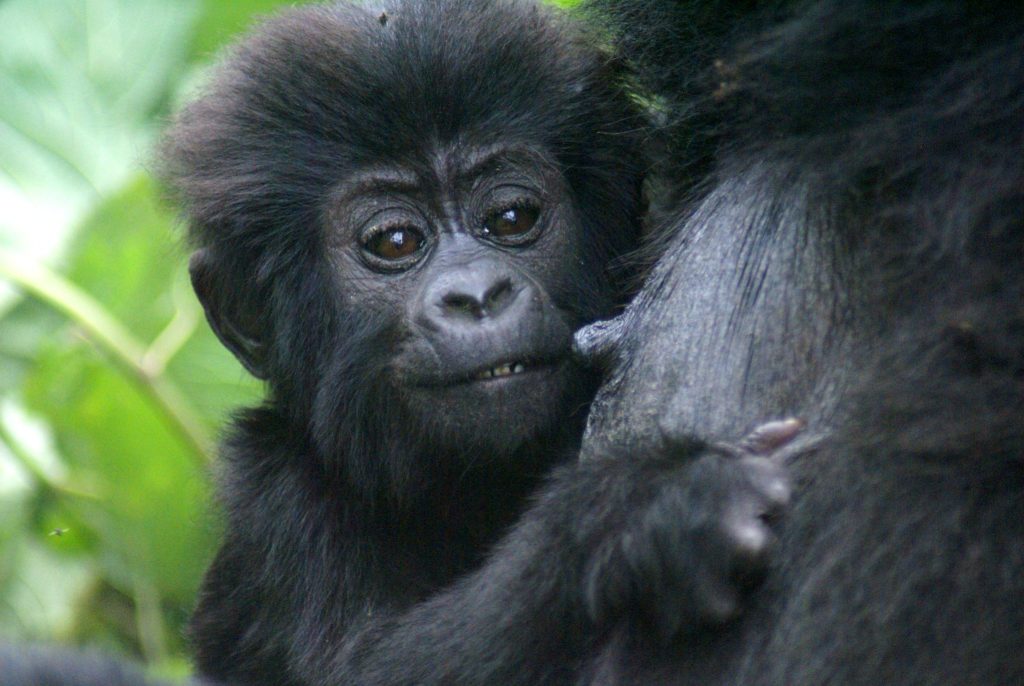
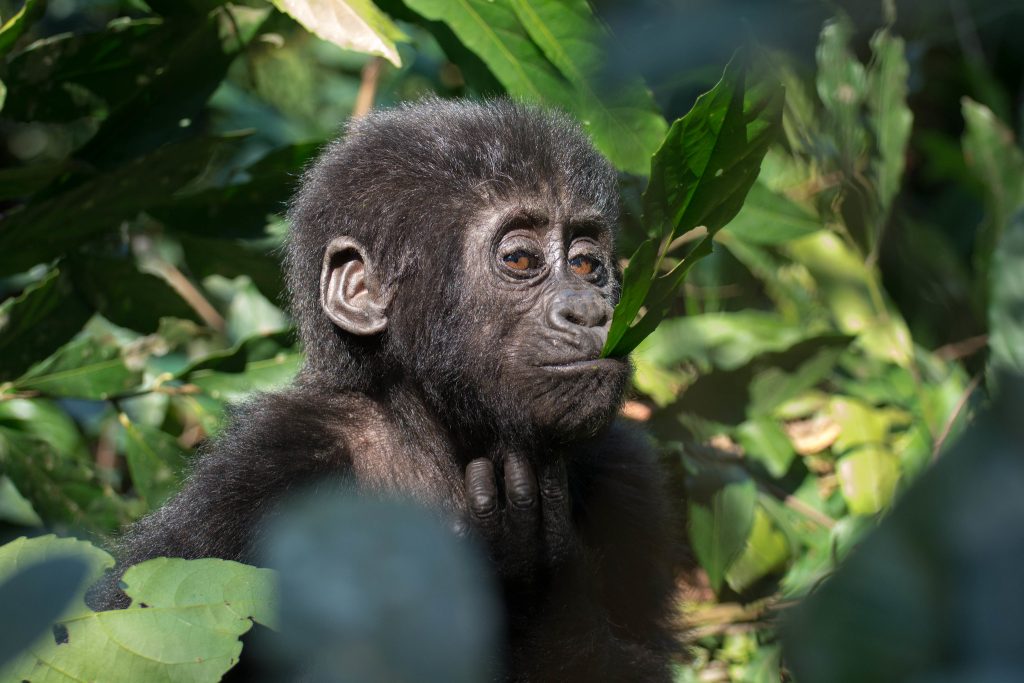
A structured revenue-sharing program allocates a percentage of gorilla permit income directly to communities living near Volcanoes National Park. Funds support schools, health clinics, water projects, and small enterprise development.
This model creates a tangible link between wildlife conservation and community welfare. When residents see improved infrastructure and social services funded through tourism, local support for conservation strengthens.
Economic inclusion reduces incentives for illegal forest exploitation and builds long-term stewardship. Gorilla tourism therefore functions as both a conservation tool and a rural development catalyst.
Infrastructure Expansion and Investment
The global appeal of gorilla trekking has encouraged substantial infrastructure investment in Rwanda. Road improvements connecting Kigali to Musanze have enhanced accessibility. Hospitality standards have risen significantly, with international luxury brands investing in high-end lodges near Volcanoes National Park.
Air connectivity has expanded through increased international flight routes into Kigali. The country’s commitment to efficient transport and clean urban development reinforces its premium tourism positioning.
Infrastructure improvements benefit not only tourists but also local communities who gain improved mobility, communication, and access to services.
Attraction of Foreign Direct Investment
Rwanda’s success in managing gorilla tourism has attracted international investors seeking stable and well-regulated environments. Luxury hospitality brands have entered the market, creating additional capital inflow and global visibility.
High-end lodges near Volcanoes National Park generate employment, pay taxes, and purchase goods from local suppliers. This ripple effect spreads economic benefits beyond the tourism sector.
The reputation of Rwanda as a secure and efficiently managed destination strengthens investor confidence across industries.
Branding Rwanda on the Global Stage
Gorilla tourism plays a central role in Rwanda’s international image. The country is widely associated with conservation success and responsible tourism. This branding elevates Rwanda’s profile beyond wildlife travel alone.
Media coverage, documentary features, and international endorsements highlight Rwanda as a premium eco-destination. This visibility attracts not only leisure travelers but also conference delegates, investors, and diplomatic partnerships.
The association between conservation excellence and national identity enhances Rwanda’s global competitiveness.
Balancing Economic Growth with Ecological Sustainability
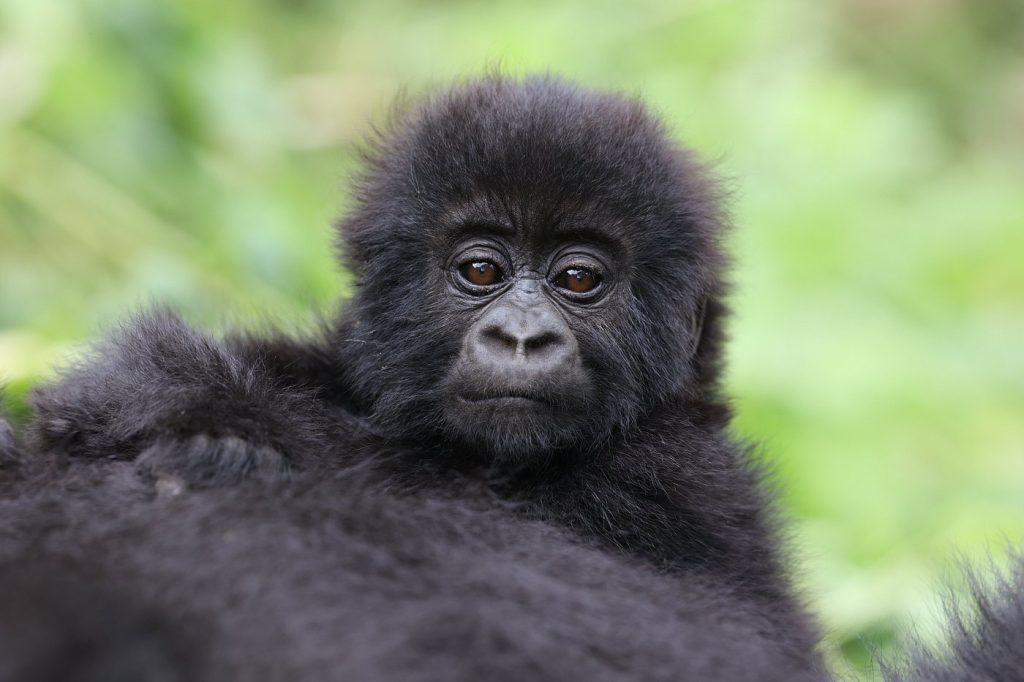
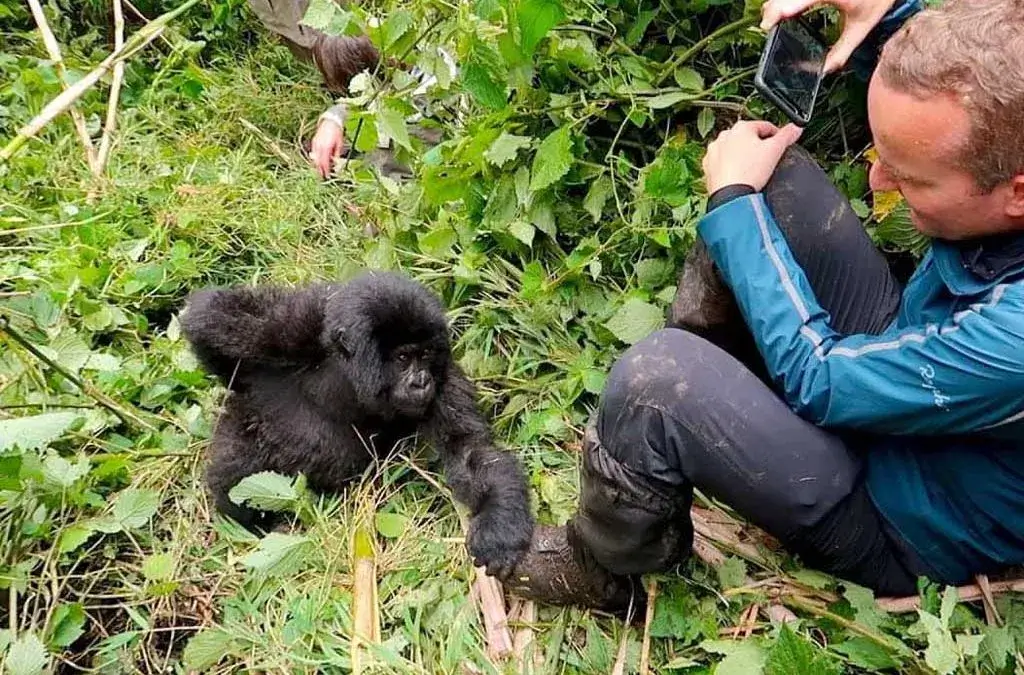
While gorilla tourism drives economic growth, Rwanda maintains strict visitor limits to protect ecological stability. Each habituated gorilla family receives no more than eight visitors per day. The one-hour viewing rule ensures minimal disturbance.
This high-value, low-volume approach prevents overexploitation. By prioritizing sustainability over mass tourism, Rwanda protects long-term revenue potential while safeguarding wildlife.
Economic growth therefore aligns with conservation objectives rather than conflicting with them.
Economic Resilience and Diversification Challenges
Despite strong performance, reliance on tourism presents vulnerability during global disruptions. Travel restrictions during pandemics demonstrated how quickly visitor numbers can decline.
Rwanda’s conservation system continued operating during such periods, highlighting the importance of financial planning and diversified revenue streams. Strengthening economic resilience remains an ongoing priority.
The long-term sustainability of gorilla tourism depends on adaptive management and continued global demand for conservation-focused travel.
Long-Term Development Impact
Gorilla tourism has contributed to measurable improvements in living standards around Volcanoes National Park. Household incomes have increased, education access has expanded, and community infrastructure has improved.
This development impact reinforces the economic argument for conservation. Protecting wildlife generates not only ecological benefits but also measurable social progress.
The integration of tourism, conservation, and development demonstrates a model that other countries study closely.
Final Reflections
The economic impact of gorilla tourism on Rwanda extends far beyond park entrance fees. It supports national revenue generation, job creation, infrastructure growth, community development, and global branding. Through disciplined management and premium positioning, Rwanda has transformed endangered wildlife into a sustainable economic asset.
Volcanoes National Park stands at the center of this transformation. Gorilla tourism proves that conservation and economic growth can reinforce one another when managed strategically.
The continued success of this model depends on maintaining balance between ecological integrity and economic opportunity.
Experience Rwanda’s Conservation Economy With Us
VolcanoesNationalPark.com organizes professionally managed gorilla trekking experiences in Volcanoes National Park, ensuring that your visit contributes directly to Rwanda’s economic and conservation framework.
If you want to explore the country’s most powerful wildlife experience while supporting sustainable development, contact VolcanoesNationalPark.com today. Our team will design a seamless itinerary that connects extraordinary encounters with meaningful economic impact.