

Ways to Protect Gorillas in Rwanda and Uganda: Safeguarding Africa's Gentle Giants.
Ways to Protect Gorillas in Rwanda and Uganda, Mountain gorillas are among the world’s most remarkable wildlife species, living only in the lush forests of East and Central Africa. Rwanda and Uganda are home to nearly all of the remaining mountain gorillas, making these two countries global leaders in gorilla conservation. Every year, thousands of visitors travel to these destinations to experience the unforgettable adventure of gorilla trekking. However, despite significant conservation successes, mountain gorillas continue to face numerous threats, including habitat destruction, climate change, disease, and illegal human activities.
Protecting these endangered primates is not only essential for preserving biodiversity but also for supporting local communities whose livelihoods depend on sustainable tourism. Governments, conservation organizations, local residents, and tourists all have important roles to play in ensuring that mountain gorillas continue to thrive for generations to come.
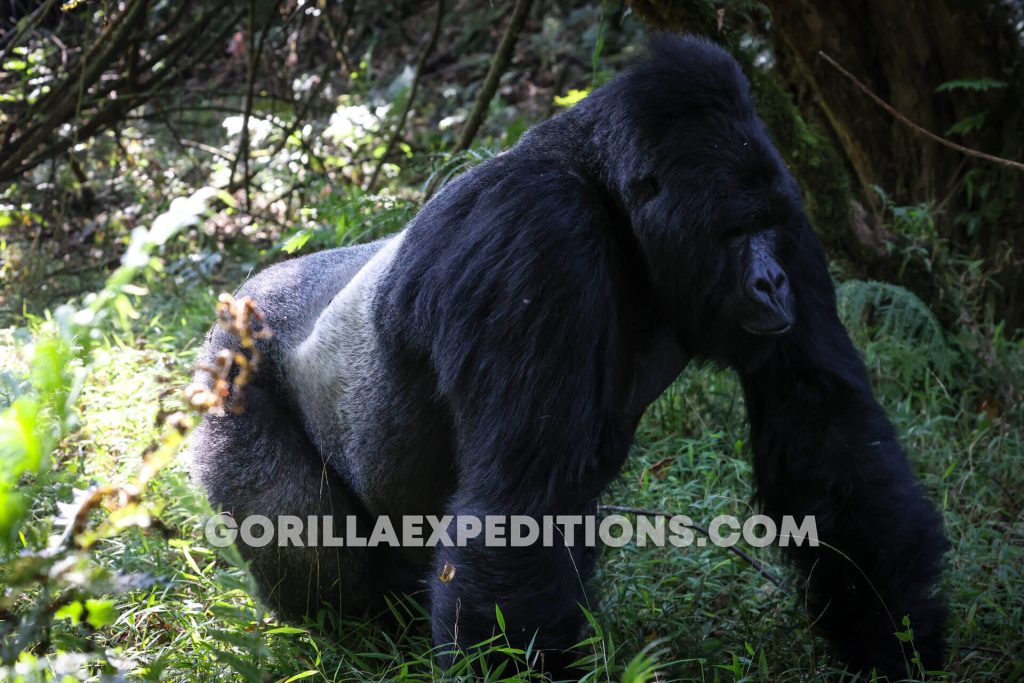
Protecting Natural Forest Habitats
The survival of mountain gorillas depends entirely on healthy forests. These forests provide food, shelter, and safe breeding grounds. In Rwanda, Volcanoes National Park serves as a sanctuary for gorillas, while in Uganda, Bwindi Impenetrable National Park and Mgahinga Gorilla National Park provide critical habitats.
Preventing deforestation is one of the most effective conservation strategies. Forests are often threatened by agricultural expansion, illegal logging, charcoal production, and infrastructure development. Governments must continue enforcing strict park boundaries while promoting sustainable land-use practices outside protected areas.
Reforestation initiatives also help restore damaged ecosystems and create wildlife corridors that allow gorilla families to move safely between forest sections.
Supporting Responsible Gorilla Tourism
Gorilla trekking has become one of East Africa’s greatest conservation success stories. Tourism generates significant revenue that supports park management, ranger salaries, conservation research, and community development projects.
However, tourism must remain carefully managed to minimize its impact on gorillas. Responsible tourism includes:
- Limiting the number of visitors allowed to see each gorilla family daily.
- Maintaining a safe distance from gorillas.
- Avoiding visits when tourists are sick.
- Following park ranger instructions at all times.
- Spending only the permitted amount of time with gorilla groups.
- These guidelines reduce stress on gorillas while minimizing the risk of disease transmission between humans and wildlife.
Preventing Disease Transmission
Mountain gorillas share approximately 98% of their DNA with humans. This close genetic relationship means they are highly vulnerable to many human illnesses, including influenza, pneumonia, COVID-19, and other respiratory infections.
Disease outbreaks can have devastating effects because gorillas live in close family groups where infections spread quickly.
To reduce health risks:
- Visitors should postpone trekking if they feel unwell.
- Wearing face masks near gorillas provides additional protection.
- Rangers and researchers should follow strict health protocols.
- Veterinary teams should monitor gorilla health regularly.
- Hygiene practices should be maintained before entering the forest.
- Continuous health monitoring has become one of the most important conservation strategies in both Rwanda and Uganda.
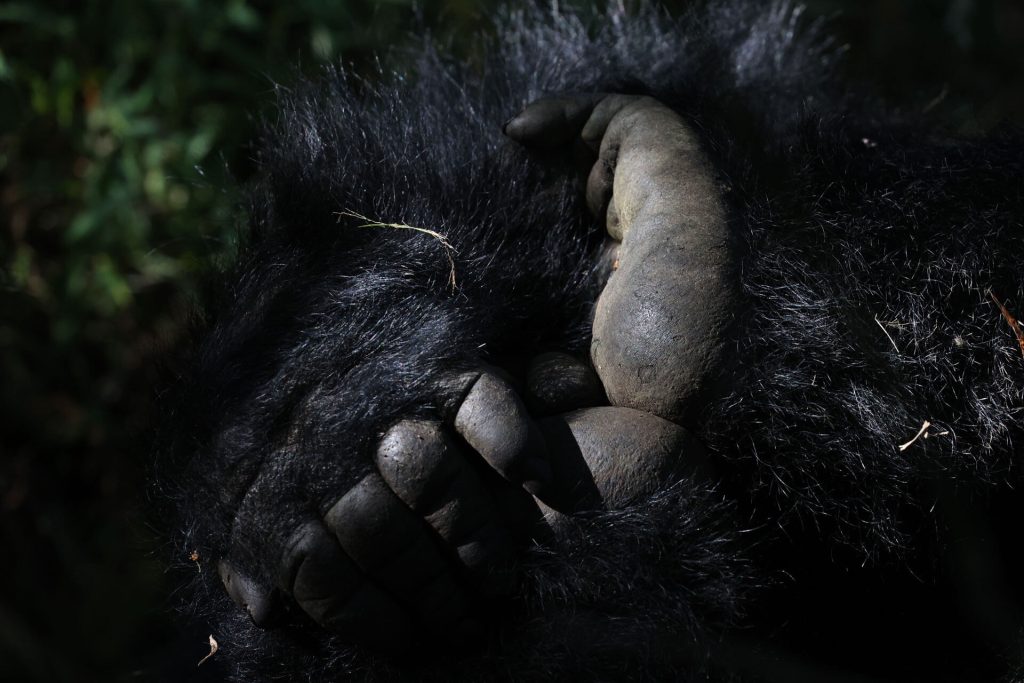
Strengthening Anti-Poaching Efforts
Although gorillas are rarely targeted directly by poachers today, they remain at risk from wire snares set for other animals such as antelopes and wild pigs. These traps can seriously injure or even kill gorillas.
Park rangers conduct daily patrols to remove snares, monitor gorilla families, and prevent illegal hunting activities.
Governments can strengthen anti-poaching efforts by:
- Increasing ranger training.
- Providing better equipment.
- Expanding surveillance technology.
- Supporting intelligence gathering.
- Enforcing stricter penalties against wildlife criminals.
- Community members can also assist by reporting illegal activities to conservation authorities.
Empowering Local Communities
Successful conservation depends on the support of people living near protected areas. When local communities benefit from wildlife conservation, they become active partners in protecting gorillas.
Tourism revenue often funds:
- Schools
- Health centers
- Clean water projects
- Road improvements
- Community businesses
Employment opportunities such as tour guiding, hospitality services, handicraft production, cultural performances, and park management create alternative income sources that reduce dependence on forest resources.
Community education programs also raise awareness about the importance of wildlife conservation.
Promoting Environmental Education
Education helps create future conservation leaders. Schools, universities, and conservation organizations can teach young people about biodiversity, ecosystem protection, and the importance of mountain gorillas.
Environmental education encourages responsible behavior such as:
- Protecting forests
- Avoiding littering
- Reporting illegal activities
- Supporting sustainable tourism
- Conserving natural resources
Knowledge inspires action, making education one of the most valuable long-term conservation investments.
Supporting Scientific Research
Research provides valuable information about gorilla behavior, population growth, habitat requirements, genetics, and health. Scientists continuously monitor gorilla families to identify emerging threats and develop effective conservation strategies.
Research findings guide decisions regarding:
- Habitat management
- Disease prevention
- Tourism policies
- Population monitoring
- Climate adaptation
Collaboration between governments, universities, veterinarians, and conservation organizations strengthens scientific understanding and improves protection efforts.
Combating Climate Change
Climate change poses new challenges for mountain gorillas by altering rainfall patterns, vegetation growth, and forest ecosystems. Changes in temperature may affect food availability and increase pressure on fragile habitats.
Reducing climate impacts requires:
- Forest conservation
- Tree planting
- Sustainable agriculture
- Renewable energy adoption
- Reduced carbon emissions
Healthy forests not only protect gorillas but also store carbon, helping fight global climate change.
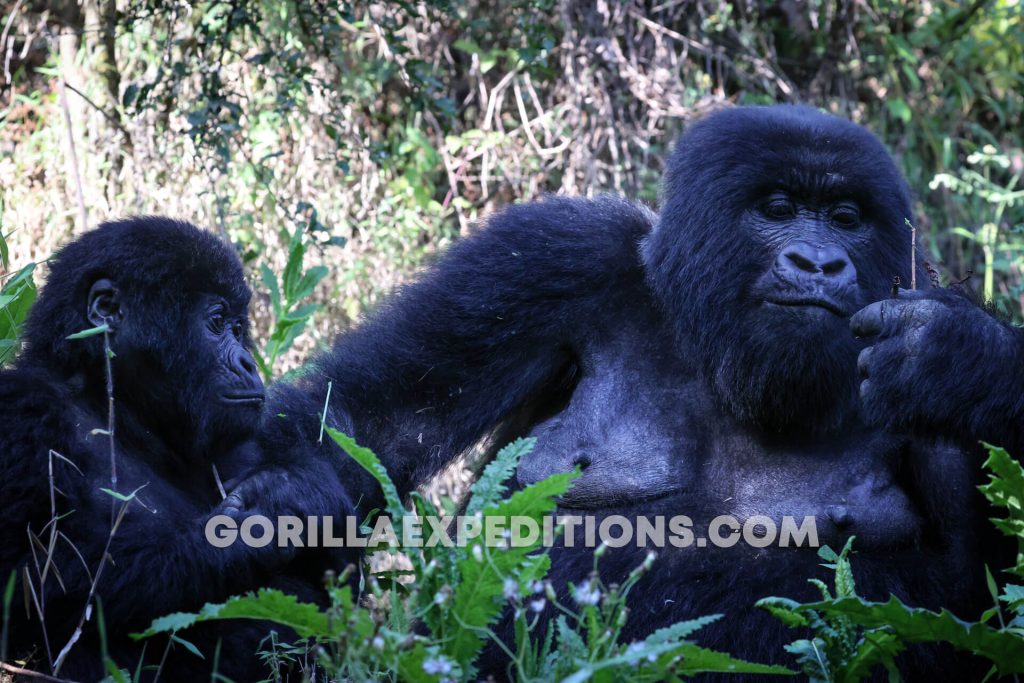

Encouraging International Cooperation
Mountain gorillas cross national borders, making regional cooperation essential. Rwanda, Uganda, and the Democratic Republic of Congo work together through transboundary conservation initiatives that improve wildlife protection across the Virunga landscape.
International partnerships provide:
- Conservation funding
- Technical expertise
- Research collaboration
- Ranger training
- Emergency response support
- Global cooperation ensures consistent protection regardless of where gorillas move.
Supporting Conservation Through Responsible Choices
Everyone can contribute to gorilla conservation, even without visiting Africa. Supporting reputable conservation organizations, donating to wildlife projects, sharing conservation awareness, and choosing ethical tourism operators all make a positive difference.
Travelers should prioritize licensed tour operators that support conservation initiatives and respect wildlife protection guidelines. Responsible tourism ensures that visitor spending directly contributes to preserving gorilla habitats while benefiting surrounding communities.
The Future of Mountain Gorilla Conservation
Mountain gorilla conservation represents one of the world’s greatest wildlife success stories. Decades ago, their population had declined dramatically, raising fears of extinction. Today, thanks to dedicated conservation efforts, strong government commitment, scientific research, responsible tourism, and community involvement, mountain gorilla numbers have steadily increased.
Nevertheless, conservation work is far from complete. Human population growth, habitat pressure, climate change, disease, and illegal activities continue to threaten these magnificent animals. Long-term success will require continued investment, education, sustainable tourism, and international collaboration.
Every individual has a role to play. Whether by supporting conservation organizations, practicing responsible tourism, educating others, or advocating for environmental protection, collective efforts can secure a brighter future for mountain gorillas.
Protecting gorillas in Rwanda and Uganda is about more than saving a single species. It is about preserving unique ecosystems, supporting local communities, promoting sustainable development, and ensuring that future generations can continue to witness one of nature’s most extraordinary creatures in its natural home. Through united action and ongoing commitment, mountain gorillas can continue to thrive as a symbol of successful wildlife conservation.