

What to Wear for Gorilla Trekking Rwanda?
What to Wear for Gorilla Trekking Rwanda, choosing the right clothing for gorilla trekking in Rwanda directly affects your comfort, safety, and overall enjoyment. Gorilla trekking takes place in the high-altitude rainforest of Volcanoes National Park, where terrain can be steep, vegetation dense, and weather unpredictable. Temperatures remain generally cool due to elevation, but physical exertion during the hike quickly raises body heat.
Proper attire protects you from mud, stinging plants, insects, and sudden rain showers. Dressing strategically ensures that you focus fully on the extraordinary encounter with mountain gorillas rather than discomfort caused by poor clothing choices.
Long-Sleeved Shirts and Long Trousers
Long-sleeved shirts and full-length trousers are essential for gorilla trekking. The forest contains thick bamboo, undergrowth, and occasional thorny plants. Covering your arms and legs prevents scratches, insect bites, and skin irritation from contact with vegetation.
Choose lightweight, breathable fabrics that wick moisture away from the body. Quick-drying materials perform better than heavy cotton, especially if rain occurs. Neutral colors such as green, brown, beige, or gray blend well into the natural environment and avoid attracting insects.
Avoid bright colors or camouflage clothing. Rwanda discourages camouflage attire to prevent confusion with military uniforms.
Waterproof Jacket or Rain Layer
Rainfall can occur at any time of year in Volcanoes National Park, even during the dry season. A lightweight waterproof jacket with a hood provides critical protection against sudden showers.
The forest canopy does not block all rainfall, and trails may become wet quickly. Staying dry helps maintain body temperature and comfort during extended hikes.
A compact poncho can serve as additional protection, especially during the long rainy season from March to May.
Proper Hiking Boots
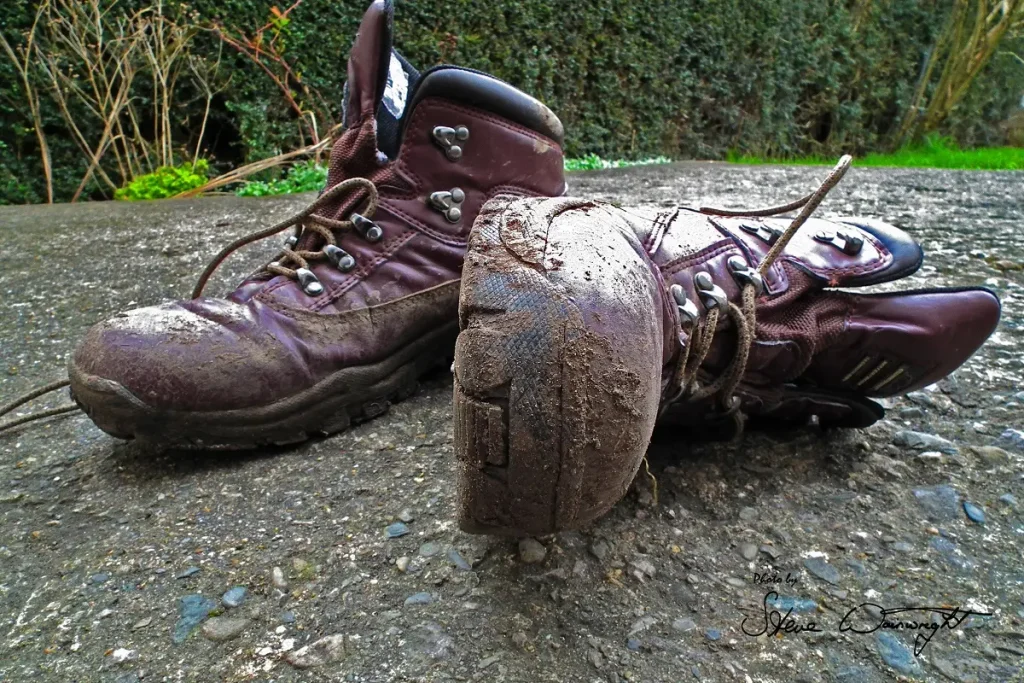
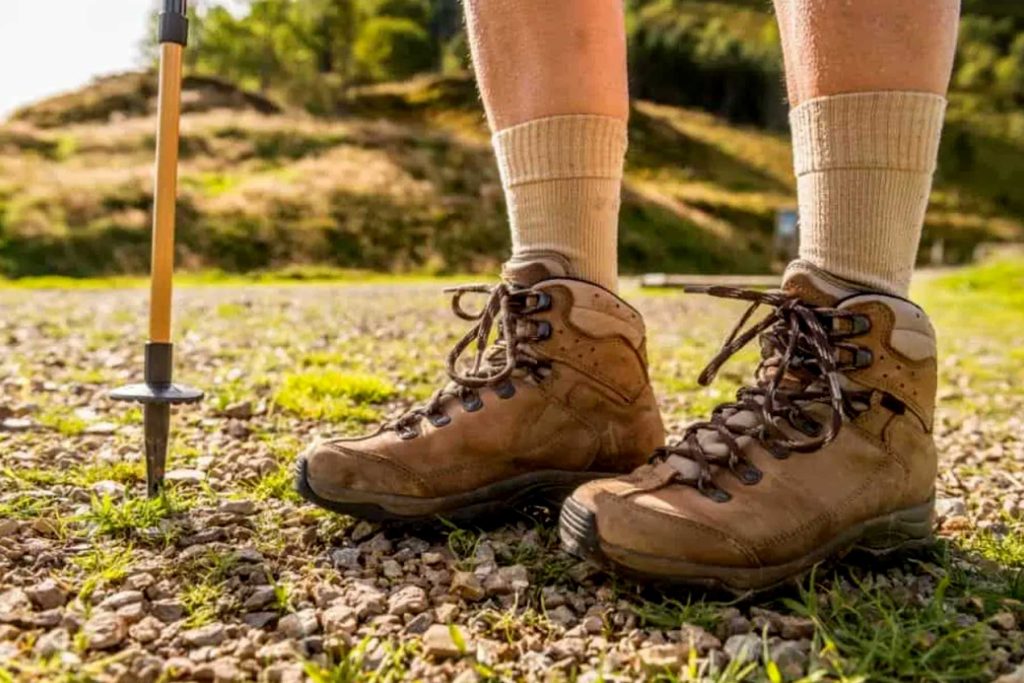
Sturdy hiking boots remain the most important footwear choice. The terrain includes uneven ground, steep inclines, loose soil, and occasional mud. Boots with strong ankle support and reliable traction reduce the risk of slips and fatigue.
Waterproof boots perform best, especially during rainy months. Thick hiking socks add cushioning and reduce friction during long walks.
Avoid sneakers, sandals, or lightweight trainers. These lack stability and protection in rugged forest conditions.
Gardening Gloves for Hand Protection
Many trekkers underestimate the importance of gloves. During steep ascents, you may use bamboo stems or vegetation for balance. Lightweight gardening gloves protect your hands from thorns and rough plant surfaces.
Gloves also improve grip on slippery vegetation during wet conditions. They add comfort without adding significant weight to your gear.
Layering for Temperature Changes
Morning temperatures at high altitude can feel cool, especially before the hike begins. Once trekking starts, body heat rises quickly. Wearing layered clothing allows flexibility.
Start with a breathable base layer, add a light fleece for warmth, and keep your waterproof jacket accessible. As you hike, you can remove layers to prevent overheating.
Layering ensures adaptability without carrying excessive clothing.
Hat and Sun Protection
Although the forest canopy provides partial shade, sun exposure can remain strong at high altitude. A wide-brimmed hat or cap protects your face and neck during open trail sections.
Sunscreen and lip balm prevent dryness and sunburn, especially during dry seasons when skies are clearer.
Gaiters and Optional Additions
During rainy seasons, gaiters help prevent mud and debris from entering your boots. They also protect lower trousers from moisture.
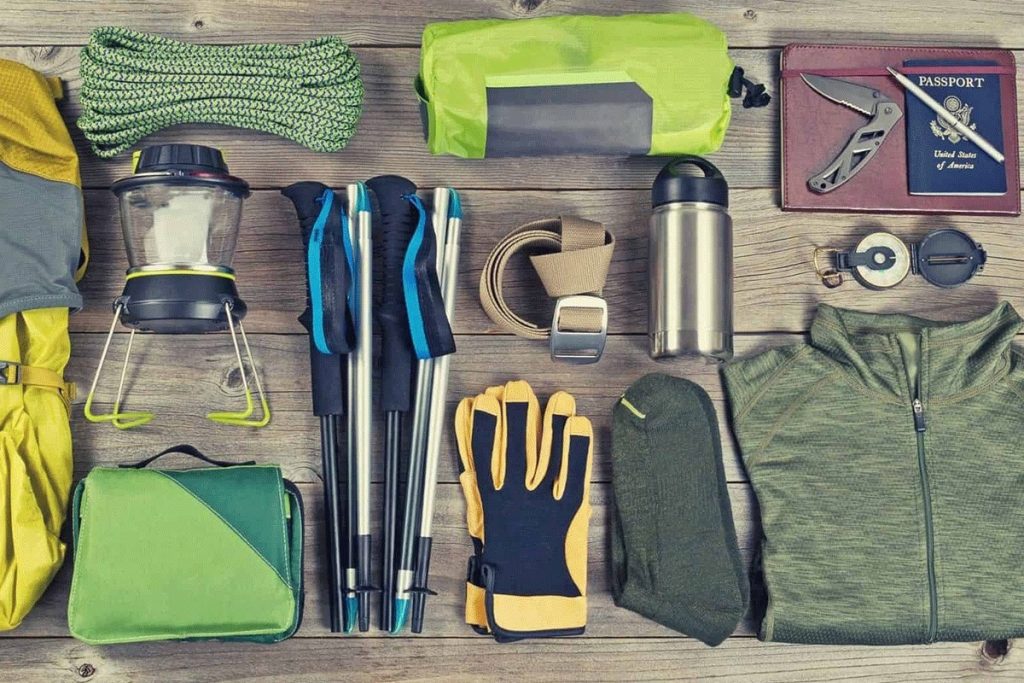
Trekking poles provide additional stability on steep slopes. While some travelers bring personal poles, park headquarters often provides wooden walking sticks for support.
These optional items enhance comfort but are not mandatory.
What Not to Wear
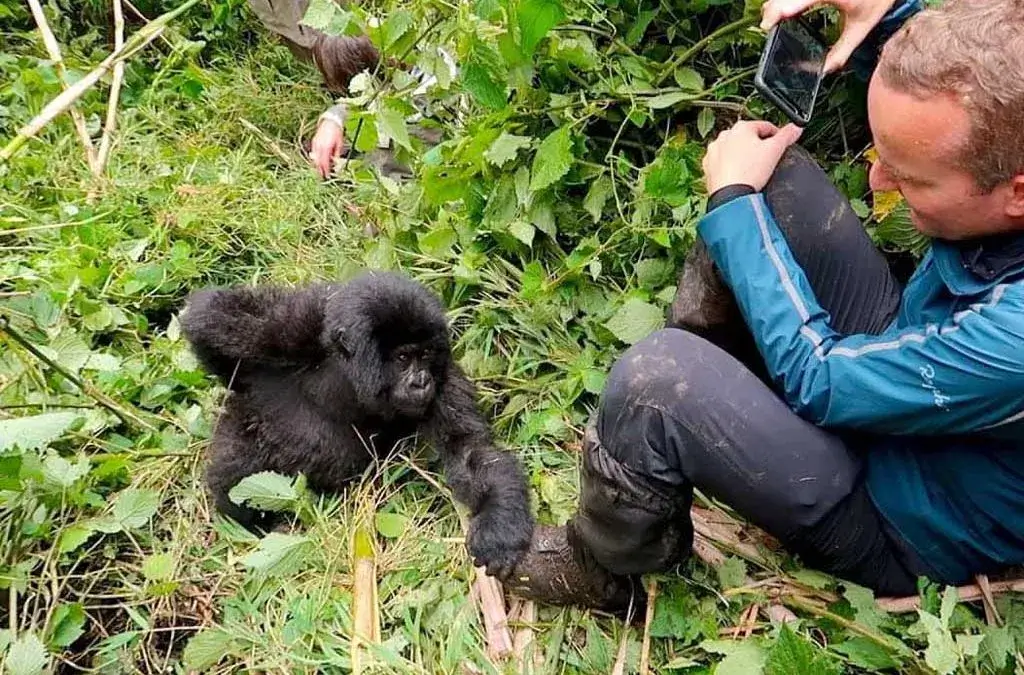
Avoid shorts, short-sleeved tops, or skirts. Exposed skin increases risk of scratches and insect bites.
Do not wear strong perfumes or scented lotions, as these may disturb wildlife. Jewelry should remain minimal to prevent loss in dense vegetation.
Flash photography equipment is prohibited during gorilla encounters, so avoid bringing unnecessary accessories.
Seasonal Clothing Considerations
During dry seasons from June to September and December to February, lighter layers may suffice, but rain gear remains essential.
During rainy seasons from March to May and October to November, prioritize waterproof clothing and extra socks. Muddy conditions require durable boots and protective layers.
Preparation according to season enhances overall trekking comfort.
Final Reflections
Wearing appropriate clothing for gorilla trekking in Rwanda ensures safety, comfort, and focus during one of the world’s most extraordinary wildlife encounters. Volcanoes National Park’s high-altitude rainforest demands sturdy footwear, protective long clothing, and rain readiness.
Dressing correctly transforms trekking from a physical challenge into a rewarding adventure. Proper attire allows you to fully appreciate the moment when you stand face to face with a mountain gorilla family in their natural habitat.
Preparation enhances experience.
Plan Your Gorilla Trek With Us
Volcanoes National Park organizes professionally managed gorilla trekking experiences in Volcanoes National Park. We provide detailed pre-departure guidance, assist with permit booking, and recommend suitable lodges based on season and comfort preferences.
If you are preparing for your gorilla trekking adventure and need expert advice tailored to your travel dates, contact Volcanoes National Park today. Our team will ensure you are fully equipped for an unforgettable encounter.