

Women Retreats into the Wild with the Gorillas in Rwanda
Women Retreats into the Wild with the Gorillas in Rwanda, Women across the world increasingly search for travel experiences that combine adventure, personal transformation, conservation awareness, and meaningful connection with nature. A women’s retreat into the wild with gorillas in Rwanda delivers exactly that kind of experience. Rwanda offers one of the most extraordinary wildlife encounters on the planet through gorilla trekking in the breathtaking forests of Volcanoes National Park. This remarkable destination allows women to leave behind busy urban routines and immerse themselves in pristine landscapes where mountain gorillas live freely among mist-covered volcanoes and ancient rainforest ecosystems.
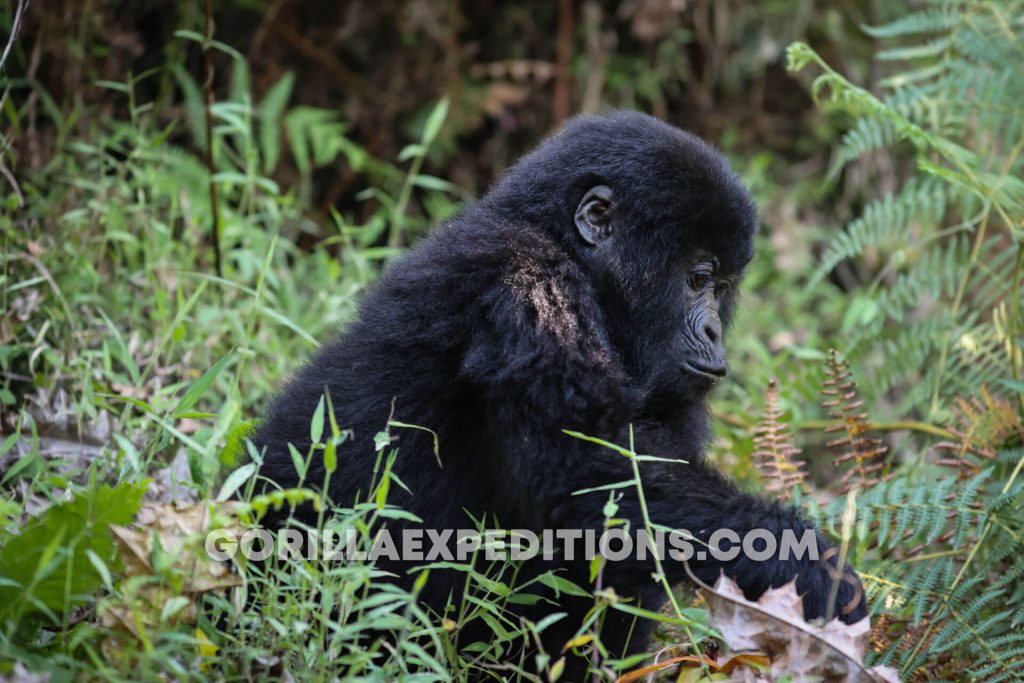
Rwanda stands among the few countries where travelers can observe endangered mountain gorillas in their natural environment. The country shares the Virunga volcanic mountain range with neighboring nations, and this region shelters a significant portion of the world’s remaining mountain gorillas. Scientists estimate that more than 1,000 mountain gorillas survive today after decades of intensive conservation work that reversed earlier population declines.
A women’s retreat built around gorilla trekking goes far beyond ordinary tourism. It offers a powerful blend of wilderness exploration, cultural immersion, personal growth, and environmental awareness. Participants journey deep into the forests, hike through bamboo zones and moss-covered slopes, and encounter one of humanity’s closest relatives face to face.
The Setting: Rwanda’s Gorilla Habitat
The retreat experience begins in the mountainous northern region of Rwanda, where Volcanoes National Park protects a chain of volcanic peaks, dense rainforest, and rare wildlife. The park lies approximately 110 kilometers from Kigali and travelers can reach it after a scenic drive of about two and a half hours through Rwanda’s rolling hills and terraced farmland.
This park contains around a dozen habituated gorilla families that researchers and rangers have gradually accustomed to human presence. Habituation requires several years of careful monitoring and gentle exposure to humans, which allows tourists to observe the animals without disrupting their natural behavior. Each gorilla family contains a dominant silverback male, several females, and young gorillas that interact, groom, feed, and play within their forest territory.
The park’s environment creates the perfect atmosphere for reflection and adventure during a women’s retreat. Thick vegetation, mist drifting across volcanic slopes, and the distant calls of birds and primates produce a powerful sense of wilderness. Many retreat participants describe the forest as a living sanctuary that awakens a deep connection with nature.

The Structure of a Women’s Gorilla Retreat
A women’s retreat centered on gorilla trekking typically combines wildlife exploration with wellness activities, cultural engagement, and personal development sessions. Organizers design these retreats to provide a safe and empowering environment where women can connect with nature and with each other.
Participants usually stay in eco-lodges or luxury lodges located near the park boundaries. These accommodations provide comfortable spaces surrounded by forest views, allowing visitors to relax after trekking adventures. Some retreats include yoga sessions, meditation, journaling workshops, and group discussions that encourage participants to reflect on their experiences in the wild.
The central highlight of the retreat remains the gorilla trek itself. Each visitor must obtain a permit issued by the Rwanda Development Board, which regulates tourism activities in Rwanda’s national parks. The permit system limits visitor numbers and protects the gorillas from excessive disturbance. The permit fee for international visitors usually costs about 1,500 US dollars and includes park entry, ranger guidance, and the opportunity to spend one hour with a gorilla family.
Limiting the number of visitors ensures that tourism supports conservation rather than harming wildlife habitats.
The Trek into the Forest
The trekking experience begins early in the morning at the park headquarters near the village of Kinigi. Visitors gather for a briefing where rangers explain the safety guidelines and assign trekking groups to different gorilla families.
Each group typically includes a maximum of eight visitors accompanied by experienced guides and trackers. Rangers enter the forest before sunrise to locate the gorillas and communicate their location to the trekking teams.
The hike through the forest varies in difficulty depending on where the gorillas move during the day. Some treks require only thirty minutes of hiking while others involve several hours of climbing steep slopes at altitudes between 2,500 and 4,000 meters.
Women participating in the retreat support each other throughout the trek, sharing encouragement and laughter as they navigate muddy trails, cross small streams, and push through thick vegetation. Many groups also hire local porters who carry backpacks and provide assistance along the path.
The journey itself becomes an important part of the retreat experience. The sounds of rustling leaves, the smell of damp earth, and the sight of towering bamboo forests create a powerful sensory immersion in the wilderness.
The Moment of Encounter
When the group finally reaches the gorilla family, the atmosphere transforms into one of quiet wonder. Visitors observe the gorillas from a distance of about seven meters to protect both humans and animals from disease transmission and unnecessary stress.
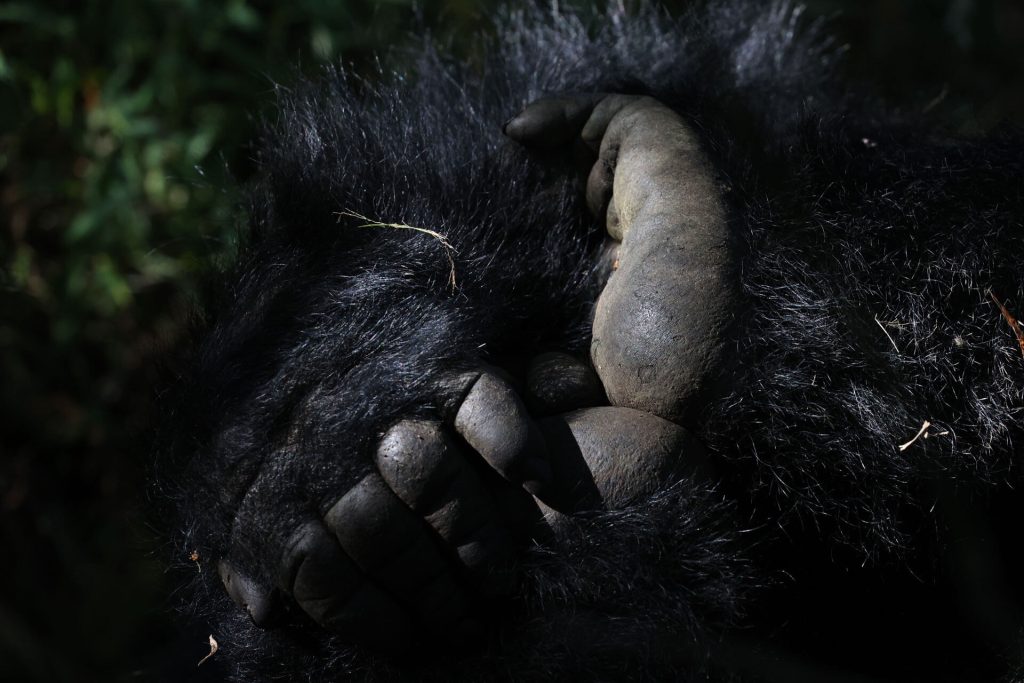
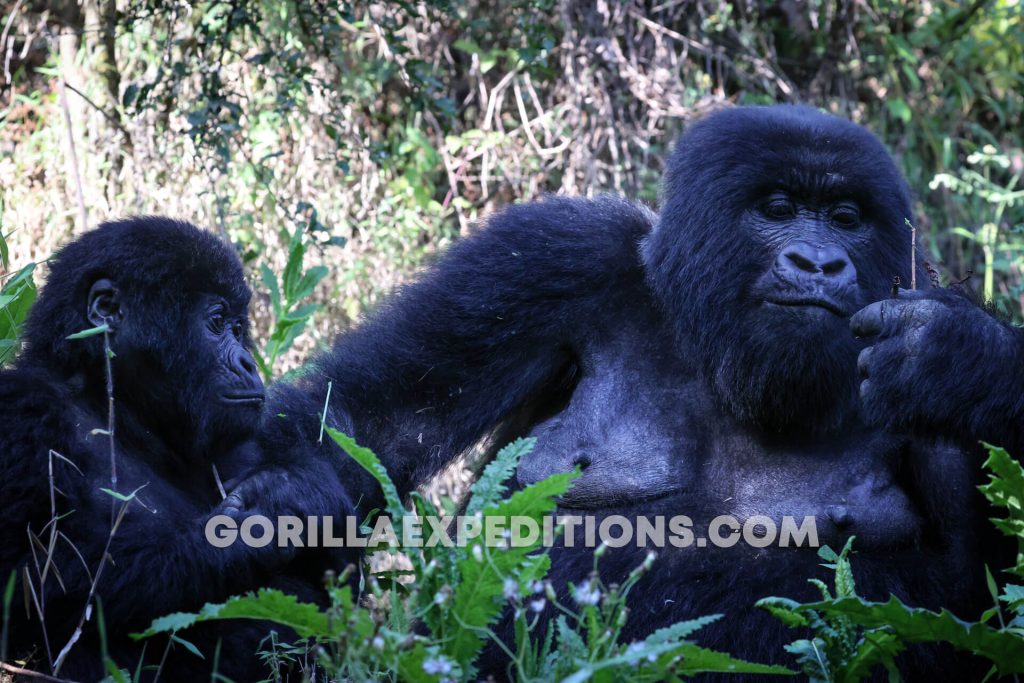
During the permitted one-hour observation period, women watch the gorillas interact in their natural habitat. A silverback may sit calmly while younger gorillas tumble through the grass in playful wrestling matches. Mothers cradle their infants while feeding on leaves and shoots. Some gorillas gaze curiously at visitors before continuing their daily routines.
This encounter often becomes the emotional highlight of the retreat. Many women describe a profound sense of connection when they look into the eyes of a gorilla and recognize familiar expressions of curiosity, intelligence, and social bonding. The experience encourages participants to reflect on humanity’s relationship with nature and the responsibility to protect endangered species.

Women Empowerment in Gorilla Tourism
Women’s retreats in Rwanda also highlight the role of local women in conservation and tourism. In recent years, increasing numbers of women have joined the gorilla trekking industry as guides, trackers, rangers, and hospitality professionals.
These opportunities provide income and independence for women who previously faced limited employment options in rural communities. Many female guides share personal stories about how conservation tourism transformed their lives and enabled them to support their families and educate their children.
Some retreats include visits to women’s cooperatives where artisans produce handmade baskets, jewelry, and textiles. Travelers learn traditional crafts while supporting community businesses that depend on tourism revenue.
This cultural exchange enriches the retreat experience by connecting wildlife conservation with social empowerment.
Conservation and Community Impact
Gorilla tourism generates substantial benefits for conservation and community development in Rwanda. A portion of each permit fee goes directly toward protecting national parks, funding ranger patrols, and supporting veterinary care for wildlife.
The government also shares approximately ten percent of tourism revenue with communities living near national parks. These funds help build schools, health centers, and roads while reducing conflicts between wildlife and local farmers. As a result, communities gain economic incentives to protect gorillas and their habitats instead of viewing wildlife as a threat to agriculture.
A Transformational Journey
A women’s retreat with gorillas in Rwanda represents far more than a wildlife excursion. The journey creates space for personal reflection, physical challenge, and deep emotional connection with nature. Participants leave the forest not only with photographs but also with new perspectives on conservation, community empowerment, and the fragile beauty of the natural world.
For many women, the retreat becomes a life-changing experience that strengthens confidence, fosters friendships, and inspires ongoing commitment to protecting the planet’s wildlife.
Standing quietly in the misty forests of Rwanda while a gorilla family moves peacefully through the vegetation reminds every visitor of one powerful truth: humanity shares this planet with extraordinary creatures whose survival depends on our respect and care.