

Best Time to See Gorillas in Uganda
Best Time to See Gorillas in Uganda, Gorillas of Uganda, which Winston Churchill referred to as the “Pearl of Africa,” continue to be known by this designation today. It is a nation characterized by numerous interactions throughout the year and is also one of the three places globally where one can trek the endangered mountain gorillas in Uganda.
Uganda is a landlocked nation situated on the equator, resulting in moderate temperatures and rains throughout the year, however it possesses optimal seasons for gorilla trekking activities. Tourists can engage in gorilla trekking at two locations in Uganda: Bwindi Impenetrable Forest and Mgahinga Gorilla National Park, both inside the renowned volcanic mountains.
The best time for gorilla trekking in Uganda occurs during the dry seasons, specifically from December to February and from June to September. During this period, rainfall is minimal, resulting in non-slippery conditions and limited mud; nevertheless, it is important to note that the weather is unpredictable, and rain can occur at any time due to the parks’ location in tropical rainforests.
Any month from June to October and December to March is optimal for observing the gorillas, however precipitation remains a possibility. The absence of mud and slippery terrain during these months facilitates easier hiking on the steep slopes of the Virunga hills. The dry months experience the highest visitor influx and arid terrain.
The rainy season is optimal for budget-conscious vacationers and individuals seeking reduced congestion. The majority of accommodations are economical and offer substantial discounts to a limited number of guests, rendering travel during this season advantageous. Another benefit for going during this season is that permit rates are occasionally cut, rendering them significantly more affordable.
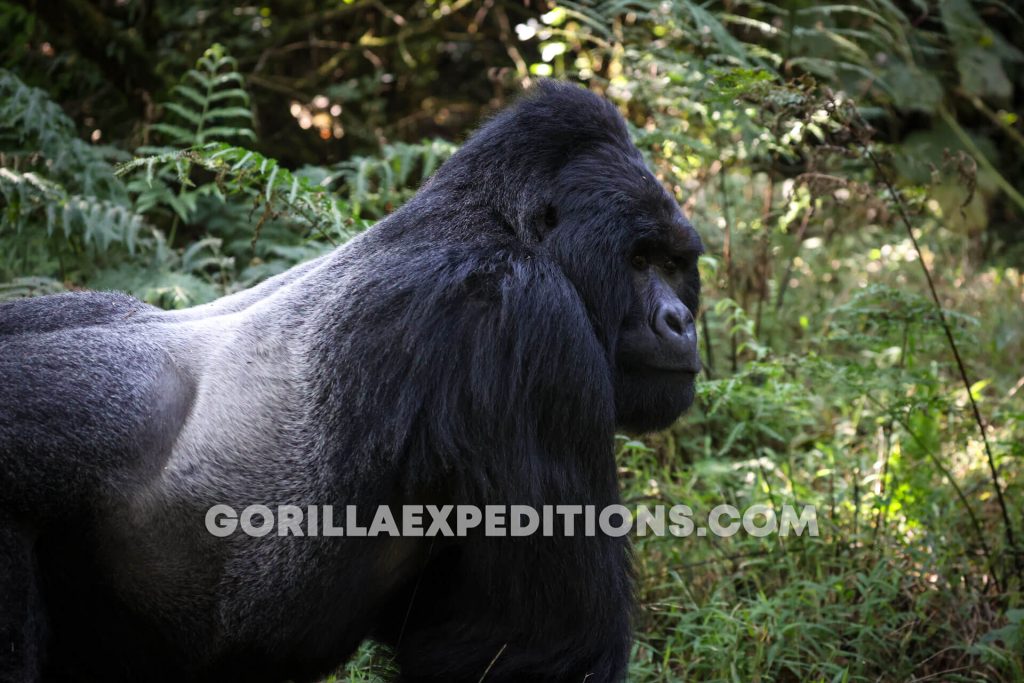
The expedition to observe mountain gorillas commences at 6:00 a.m., featuring a pre-tour briefing led by ranger guides who elucidate the hiking rules and regulations to the participants. Gorillas are sociable animals that inhabit groups, governed by a dominating alpha male characterized by a silver patch on his back, possessing the authority to enforce discipline. Their time is predominantly devoted to foraging and relocating in search of new territory. What is the optimal period for visiting gorillas in Uganda?
The Uganda Wildlife Authority tariffs, effective from June 2020 to July 2022, stipulated that trekking permits were priced at 800 USD for foreign non-residents, 700 USD for foreign residents, and 300,000 UGX for East African citizens.
Recommendations for items to bring when visiting gorillas include waterproof hiking boots, a rainproof jacket, gloves, a hat, a high-quality camera, binoculars, long-sleeved shirts, trousers, a negative Covid-19 test certificate, and insect repellent, among others.
The optimal moment to observe mountain gorillas in Uganda is when one is adequately prepared for this extraordinary experience. The activity can be conducted at any time of the year; however, the optimal months are June to September and December to February. A gorilla trekking journey can be undertaken during your honeymoon, summer, or winter vacation.
5 Days Uganda Bwindi Gorillas
1 Day Chimpanzee Trekking Tour
7 Days (Budget) Chimps & Gorilla Trek
How Long is the Trek to See Gorillas in Uganda?

Gorilla trekking in Uganda is among the most remarkable wildlife encounters available to adventure travelers. The chance to traverse verdant woods, rugged landscapes, and volcanic inclines to observe the endangered mountain gorillas in their native environment is a unique and indelible experience. One of the most frequently posed inquiries by travelers is, “What is the duration of the trek to observe gorillas in Uganda?” This comprehensive book will offer insights into the standard duration of gorilla treks in Uganda, the factors affecting trip times, and crucial information for trek preparation.
Uganda hosts around fifty percent of the worldwide number of mountain gorillas. The nation’s two most distinguished national parks for gorilla trekking are Bwindi Impenetrable National Park and Mgahinga Gorilla National Park. The parks are situated in southwestern Uganda, at the base of the Virunga Mountains, which extend over Uganda, Rwanda, and the Democratic Republic of Congo (DRC).
The journey to see gorillas in Uganda is a physically challenging yet exhilarating experience. The duration of the hike might range from 1 to 6 hours, contingent upon circumstances such as the gorilla group’s location, weather conditions, and the trekkers’ fitness levels. Trekkers often devote approximately 3 to 4 hours to locating the gorillas, although the experience may differ considerably.
Average Duration of Gorilla Treks in Uganda: The typical duration of a gorilla walk in Uganda is approximately 3 to 4 hours. This duration encompasses the ascent to locate the gorillas, the period dedicated to monitoring them upon arrival, and the return trek to the initial location.
Initial Briefing and Beginning of gorilla Trekking.
Prior to commencing the gorilla hike, a briefing will be conducted at the park headquarters. The briefing often endures approximately 30 to 45 minutes and encompasses essential information pertaining to the trek, protocols for engaging with the gorillas, and safety regulations. The expedition commences post-briefing, often at 8:00 AM, and participants will be allocated to a group of up to 8 individuals designated to observe a particular gorilla family. Upon commencing the trip, your guide will navigate you through the dense forest, traversing the arduous terrain. The duration of the journey may vary according on the gorillas’ location on that specific day.
Duration of Gorilla Trekking
The length of your expedition is primarily influenced by the distance of the gorilla family from the starting location. Gorillas, like wild creatures, traverse their native area freely, with their location changing daily. Some families may reside relatively near the starting place, whilst others could be situated many kilometers apart in more isolated and rough regions.
Short Treks (1-2 Hours): Certain gorilla families reside at lower elevations and are situated nearer to the park headquarters, facilitating a more expedient and accessible excursion. Should you be allocated to one of these families, your journey may be merely 1 to 2 hours.
Normal Treks (3-4 Hours): Most gorilla treks endure for a duration of 3 to 4 hours. These excursions entail moderate hiking through dense woodland, with certain segments potentially being steeper or more arduous than others.
Longer Treks (5-6 Hours): Occasionally, you may be allocated to a gorilla family residing in more secluded or elevated regions, necessitating a lengthier walk. These trips may endure for 5 to 6 hours and can entail high ascents, treacherous trails, and more demanding hiking conditions.
Factors That Influence Gorillas Trekking Duration
Multiple factors influence the duration of the expedition to observe gorillas in Uganda. These parameters may fluctuate daily, resulting in each trek being unique.
The Habitat of the Gorilla Family
The position of the gorilla family is the primary factor influencing the duration of the expedition. The gorilla trekking regions of Uganda are categorized into various sectors, each providing distinct trekking experiences. The position of the designated gorilla family may fluctuate due to their daily migrations.
Bwindi Impenetrable National Park comprises four primary hiking sectors: Buhoma, Ruhija, Rushaga, and Nkuringo. The gorillas in Buhoma and Rushaga are typically situated nearer to the park entrance, resulting in a potentially quicker journey to observe them. Conversely, gorillas in Ruhija and Nkuringo are situated at elevated heights, necessitating longer and more arduous hikes.
Mgahinga Gorilla National Park: Situated in the Virunga Mountain range, Mgahinga has more arduous treks owing to its rugged landscape. The journey to encounter the gorillas might be arduous and elevated, especially for families residing at greater altitudes.
The Fitness Level of Trekkers
Your physical fitness influences the duration of the walk. Gorillas inhabit deep woods, steep volcanic slopes, and diverse elevations. Your fitness level may render the walk either simpler or more difficult. Physically fit trekkers typically negotiate challenging terrain with greater ease and may complete the trek more swiftly.
Guides will adjust the tempo based on the group’s fitness level, ensuring all participants can maintain pace. If you are apprehensive about your physical fitness, it is advised to engage in trekking or walking to prepare for the excursion. The expedition will be conducted at a speed that guarantees comfort for all participants, irrespective of their fitness levels.
Climatic Conditions
Weather factors significantly influence the duration of the hike. The climate of Uganda is very erratic, with rain showers frequently appearing unexpectedly, especially during the wet seasons of March to May and October to November. Precipitation can render the pathways treacherous, increasing the challenge of the expedition and possibly prolonging the duration required to encounter the gorillas. Conversely, in the dry seasons (June to September and December to February), the routes are typically drier and more navigable, potentially facilitating a swifter trek.
The Guide's Expertise and Group Dynamics
The trekking guide will be important in regulating the group’s pace and guaranteeing the safety and comfort of all participants during the expedition. Seasoned guides are proficient in modulating the pace according to the group’s fitness level and can assist trekkers in navigating challenging terrain. The group’s dynamics, particularly individual pacing, can affect the overall time of the walk.
The Fitness Level of Trekkers
Your physical fitness influences the duration of the walk. Gorillas inhabit deep woods, steep volcanic slopes, and diverse elevations. Your fitness level may render the walk either simpler or more difficult. Physically fit trekkers typically negotiate challenging terrain with greater ease and may complete the trek more swiftly.
Guides will adjust the tempo based on the group’s fitness level, ensuring all participants can maintain pace. If you are apprehensive about your physical fitness, it is advised to engage in trekking or walking to prepare for the excursion. The expedition will be conducted at a speed that guarantees comfort for all participants, irrespective of their fitness levels.
Climatic Conditions
Weather factors significantly influence the duration of the hike. The climate of Uganda is very erratic, with rain showers frequently appearing unexpectedly, especially during the wet seasons of March to May and October to November. Precipitation can render the pathways treacherous, increasing the challenge of the expedition and possibly prolonging the duration required to encounter the gorillas.
Conversely, in the dry seasons (June to September and December to February), the routes are typically drier and more navigable, potentially facilitating a swifter trek.
The Guide's Expertise and Group Dynamics
The trekking guide will be important in regulating the group’s pace and guaranteeing the safety and comfort of all participants during the expedition. Seasoned guides are proficient in modulating the pace according to the group’s fitness level and can assist trekkers in navigating challenging terrain. The group’s dynamics, particularly individual pacing, can affect the overall time of the walk.