

Top 10 Things to do in Africa While on A safaris and What not to do
Top 10 things to do in Africa While on A safaris and What not to do, A safari in Africa is a dream and one of the bucket lists for every adventurer’s explorer. Africa promises only unforgettable experiences to safari goers from its nature greatest show to its amazing great apes(gorillas). A safari in Africa is more than a holiday since it comes with advanced planning. Being able to do what to do and what not to do guarantees a safe, considerate, and genuinely fulfilling safari.
This guide is designed to unveil the top 10 things to do in Africa while on safari, as well as the mistakes to avoid, in order not to only take pictures home but also take back life long memories home.
Chasing the Big Five.
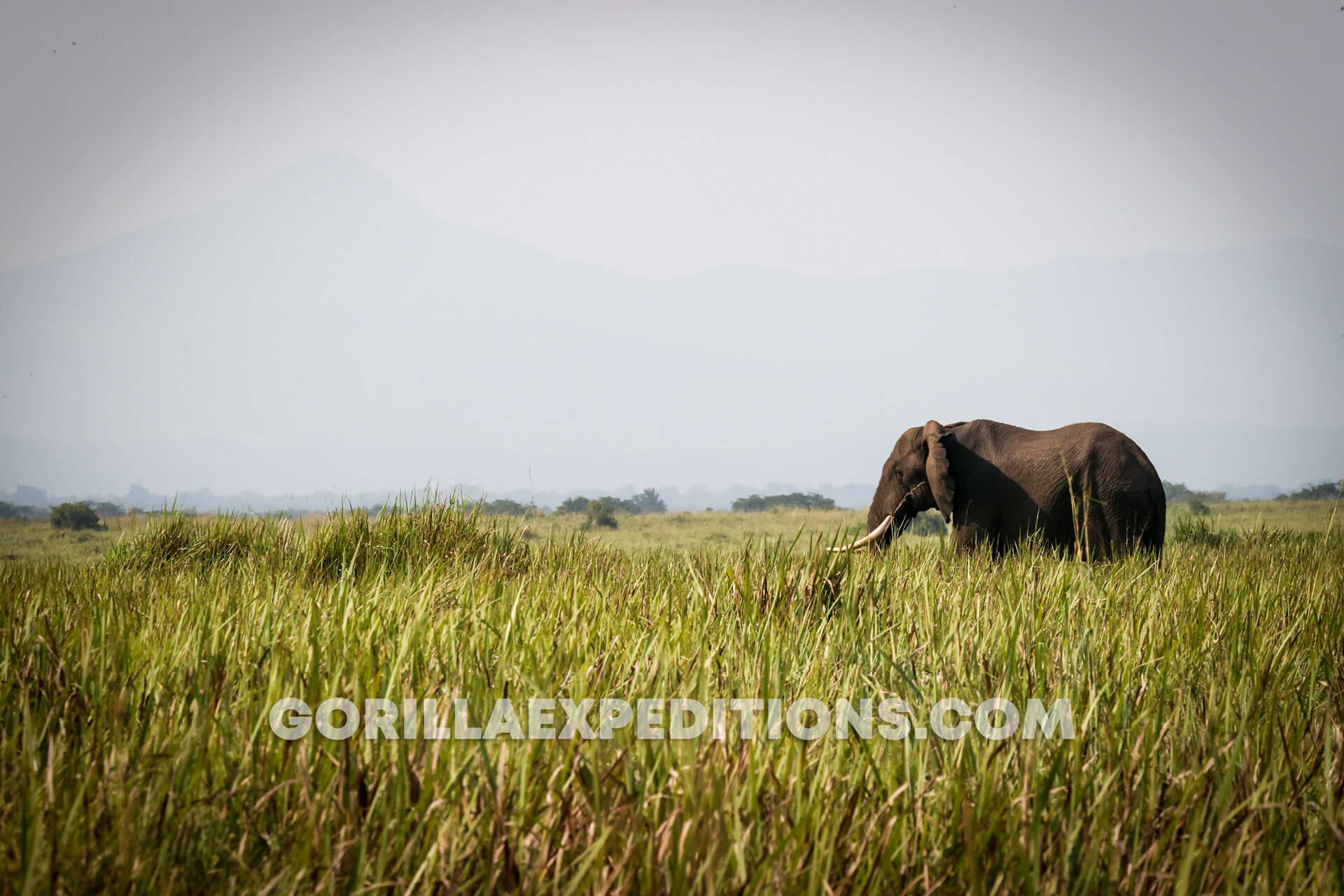
Game drives in Africa are one of the incredible activities to do while on any African safari. Spotting elephants, rhinos, lions, leopards, and buffalo in action is the dream, but chasing them in vehicles can endanger both animals and humans.
Why not? It is very advisable for tourists embarking on game drives not only to emphasize on those because on 100% you have 95% to watch them all. This is because this may often overshadow you from watching other incredible species such as zebras, small predators and many more. The Big five include (leopards, elephants, lions, buffalos, and rhinos).
What to Do Instead: Be patient and trust your guide. Observing animals at a calm pace often rewards you with spectacular, authentic encounters that are far more memorable.
Cuddling Lion Cubs or Walking with Lions.
Petting lion cubs or going on walks with lions are some ways that temptation can appear. Although these encounters appear wonderful in pictures, they are typically harsh in reality to both the humans and the wildlife.
What not to do: This is because various facilities tend to separate cubs from their mothers too early thus exposing them to stressful interactions with the humans.
What to Do Instead: Embark on guided safaris or lion tracking experiences in guided areas such as Queen Elizabth np, Kruger, Serengeti as you fully view them in their natural habitat. This experience allows you to see them hunt, roar, play as well as with out harming them
What to Do Instead: Always be patient and please trust your guide. These guides have expertise in spoting these wildlife species. Viewing animals at a calm pace often rewards you with spectacular, authentic encounters that are far more memorable.
Feeding Wildlife especially the Baboons.
Feeding wildlife might acts as a form of kindness, but it’s one of the most harmful and large negative impact to the wildlife. Feeding wildlife makes these animals to lose fear for humans thus being a threat to every one with in the society.
What not to Do: Feeding wildlife alters their natural foraging behavior and increases human-wildlife conflicts, sometimes resulting in injury or death.
What to Do Instead: Keep your distance and use binoculars or cameras for close-up views. Watching animals behave naturally is far more rewarding and safer for everyone. Always close the windows and dhows of cars with in the parks.
Using Drones or Flash Photography.
Capturing the perfect shot is tempting, but the wrong tools can stress animals and disrupt their daily lives. Turning on a flash as you capture your wonderful moments with wildlife completely harms their lives and eye sight.
What not to do: Do not turn on your flash while you are taking shots. Do not use loud noises in parks because this scares wildlife, interfere with hunting, or frighten offspring.
What to Do Instead: Always observe with care and silence. Safaris at sunrise or sunset offer the best natural lighting for morally appealing and artistic photographs.
 Ignoring Local Cultures.
Africa is a patchwork of varied cultures that merit respect and interest; it is not simply just wildlife. Whether you are navigating local village or cities respecting ones culture is one of the top things to do to ensure a smooth travel experience.
What to Avoid: Taking pictures of locals without their consent or disregarding their culture can damage relationships and encourage exploitation.
What to Do Instead: Be respectful when you interacting with the local people. Always ask before taking pictures, use locally owned markets or lodges, and become familiar with customs. You’ll have deeper, and more genuine experiences.
Massive reliance on using plastics.
Using or relying of polyethene bags and plastic materials is not allowed with in the gazetted parks since it hinders habitat and wildlife. Always be aware of proper disposal of wastes while on safari in Africa,
What to Avoid: When plastic bags, bottles, or wrappers are thrown in parks or on trails, they endanger the ecosystem and wildlife.
What to Do Instead: Carry reusable bottles and bags. Bring reusable bags and bottles. Follow the “pack in, pack out” rule and think about participating in park cleanup campaigns. Your tiny action can have a significant effect. This will enhance conservation.
Overplanning or rushing Safaris.
Don’t rush while on your safari because trying to see everything in one trip can turn a magical adventure into a stressful checklist.
What to Avoid: Design your itinerary with time and not rushing it. This is because improper allocating of activities for a particular date will lead to spontaneous wildlife encounters.
What to Do Instead: Pay attention to your plans. Make sure you give each park enough time, savor peaceful periods in the outdoors, and welcome the unpredictable it’s frequently where creativity occurs.
Supporting Unethical Tourism Experiences.
Supporting unethical tourism experiences, such as exploitative animal encounters, cultural disrespect, or unsustainable practices, harms communities and wildlife. Travelers should embark on unethical choices that protect nature, respect people, and promote responsible tourism.
You need to be aware that not every once-in a-lifetime safari experience is ethical some actually harm animals or exploit communities.
What to Avoid: Participating in some un official wildlife encounters such as elephant rides can all be harmful and cruel to both human life and wildlife species.
What to Do Instead: Look for experiences that support and enhance conservation initiatives with in the environment. Participate in guided walking safaris, volunteer for community projects, or go to wildlife rehabilitation facilities. This will help make your safari meaningful since you are learning as well as protecting wildlife for future generations.
Taking Natural Souvenirs
It may seem innocent to pocket a shell from the beach, a flower from the bush, or a rock from a trail but doing so can have damaging consequences. Natural habitats are delicate and often protected by conservation laws.
Purchasing animal products (like ivory, coral, or tortoiseshell) fuels illegal wildlife trade and can land you in legal trouble at customs. Make sure you purchase the right ful requirements
Why Avoid: Removing flora, fauna, or geological materials disrupts ecosystems and may be illegal.
Do Instead: You can decide to buy at local craft markets that use recycled or ethically sourced materials. You can support other local community projects that enhance sustainability with in the environment.
Helping the needy process, how best to do it.
In some regions of Africa, its very un rare to come across poverty or begging while you are traveling in Africa. It may be your natural tendency to give money, food, or clothing to children or strangers on the street however on the other hand it has a severe result to the community.
please note that direct gifting in Africa may come with some repercussions such a s might creating reliance, deter students from attending school, or even encourage begging along the streets of Africa.
Why Avoid Direct Giving: It risks reinforcing poverty cycles, dependency, and child exploitation.
What to Do Instead: Donate to organizations such as Pack for a Purpose, sanyu babies home or get involved in local schools, clinics, or conservation projects.
Tip to follow: we advise you to collaborate with lodges and tour operators they can lead you to these community initiatives and see how best you can help them plus the community at large.
By choosing structured support over handouts, your generosity can leave a lasting, positive impact on local communities.
Getting Out of Your Car in Game Reserves: Please do not tempt to do this.
Don’t forget that when you’re in a game park you are with wild animals. They’re crazy and this does not stop them from being wild. They have the innate ability to hunt food and defend themselves and their offspring. When you are exploring their domain, don’t undervalue their speed, agility, and endurance. It’s not worth risking your life to get a unique photo of a lion kill.
What not to do? Please don’t tempt to move out of your car in search for the wildlife.
What to do instead? Incase you want to actually see we, advise you to either open a window for clear viewing or you can decide to do a game drive with a park guide. These people have knowledge and expertise in locating the big five animals in each particular park.