

Is It Possible to Meet Forest Elephants During Gorilla Trekking?
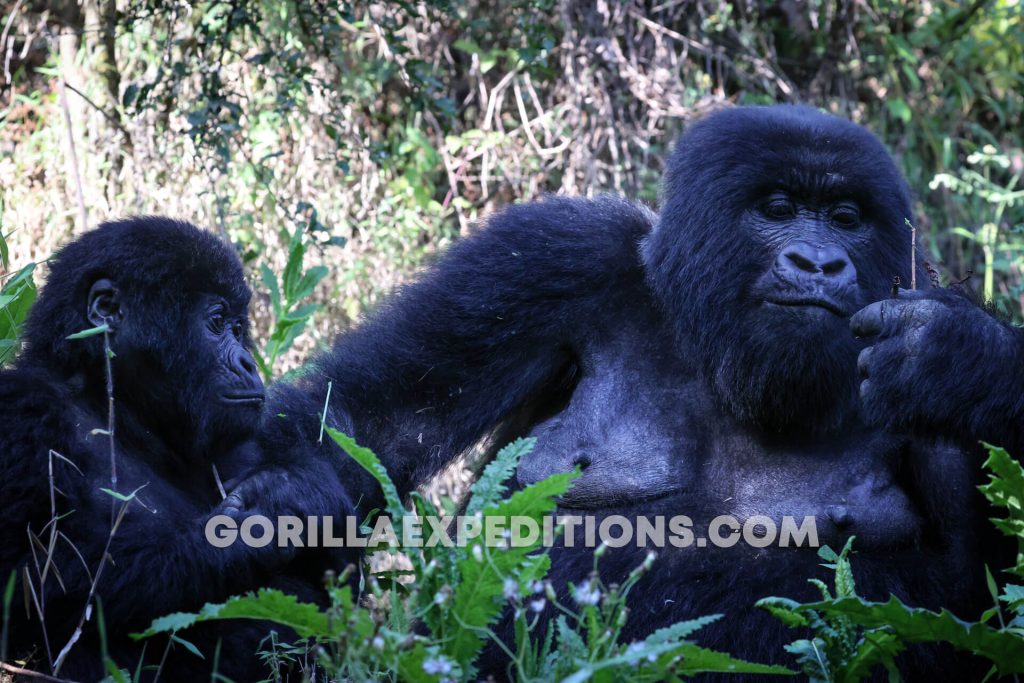
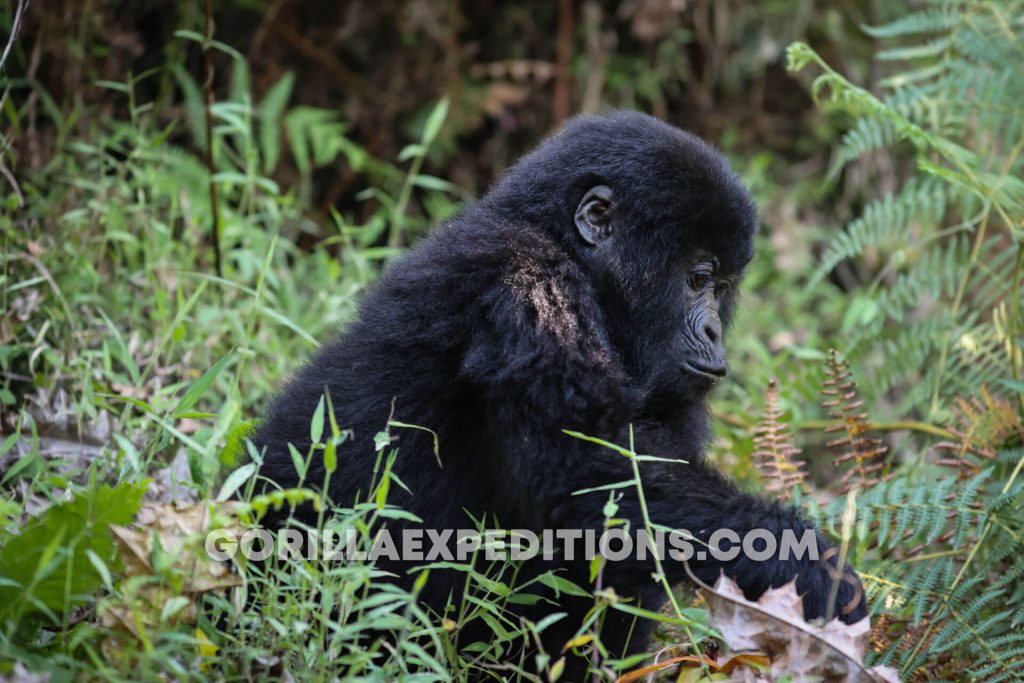
Is It Possible to Meet Forest Elephants During Gorilla Trekking, Gorilla trekking is one of Africa’s most remarkable wildlife experiences. Every year, thousands of travelers venture into the dense rainforests of Uganda, Rwanda, and the Democratic Republic of the Congo to spend a precious hour observing endangered mountain gorillas in their natural habitat. While gorillas are the main attraction, these forests are home to an incredible variety of wildlife. Among the animals that occasionally capture the attention of trekkers are forest elephants. This raises an interesting question: is it possible to meet forest elephants during gorilla trekking?
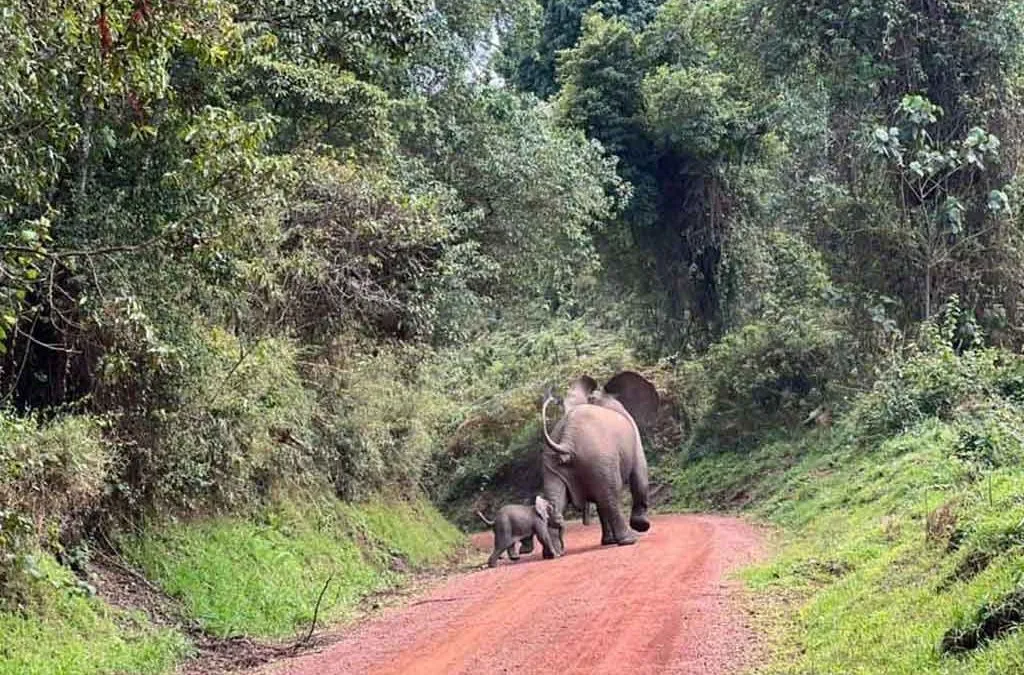
The simple answer is yes, but such encounters are uncommon. Forest elephants live in some of the same ecosystems as mountain gorillas, making it possible for visitors to come across them while hiking through the forest. However, sightings are far less frequent than gorilla encounters because forest elephants are naturally shy, move quietly through dense vegetation, and tend to avoid human activity.

Understanding Forest Elephants
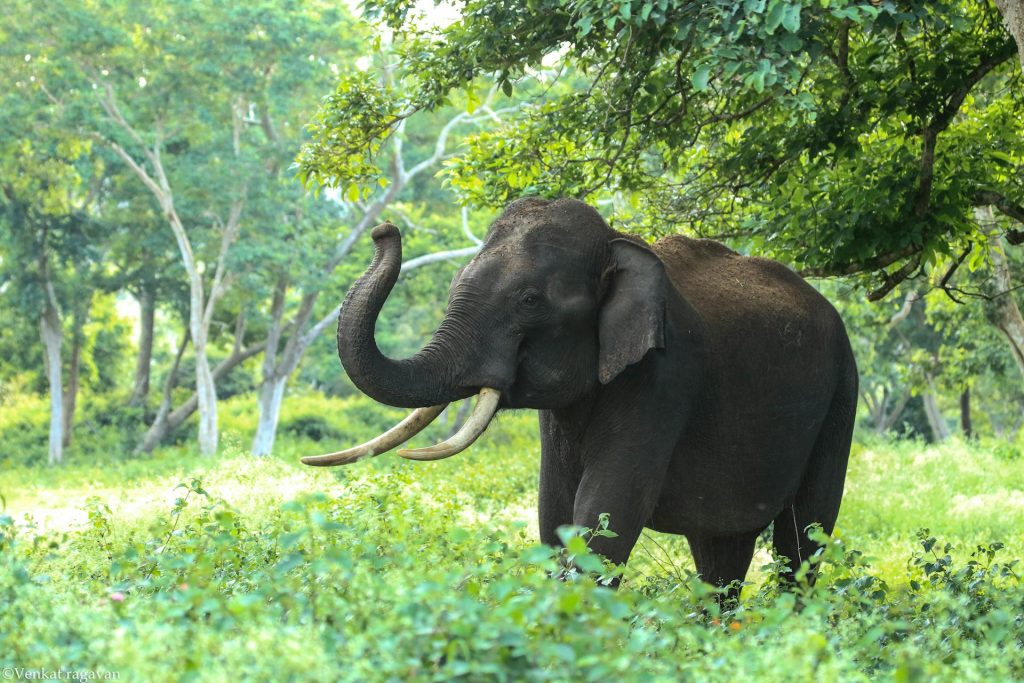
Forest elephants are different from the larger African savanna elephants that roam open grasslands. They are smaller in size, have straighter tusks, rounded ears, and are specially adapted to life in dense tropical forests. Their compact bodies allow them to navigate narrow trails and thick vegetation with ease.
These elephants play an essential role in maintaining healthy forest ecosystems. As they feed, they disperse seeds over long distances, helping regenerate forests and supporting biodiversity. They also create natural pathways through thick vegetation that are later used by other wildlife, including smaller mammals and even hikers.
Because they spend much of their lives hidden beneath the forest canopy, forest elephants are much harder to observe than their savanna relatives.
Where Can Forest Elephants Be Found?
Forest elephants inhabit the tropical rainforests of Central and parts of East Africa. Some gorilla trekking destinations overlap with their habitat, particularly protected forests that support a rich diversity of wildlife.
Uganda’s Bwindi Impenetrable National Park occasionally records forest elephant activity, although sightings are rare. Evidence of their presence, such as footprints, broken vegetation, or fresh dung, is more common than seeing the animals themselves.
In the Democratic Republic of the Congo, certain sections of the forests inhabited by eastern gorillas also support forest elephants. Their populations are generally more widespread in the vast Congo Basin than in the mountain forests where gorilla tourism is concentrated.
Rwanda’s Volcanoes National Park is primarily known for mountain gorillas and golden monkeys. Forest elephants are not commonly encountered there because the park’s environment differs from the extensive tropical forests favored by these elephants.
Why Encounters Are Rare
Many travelers imagine stumbling upon elephants while trekking, but this happens much less often than expected. Several factors explain why.
First, forest elephants have developed behaviors that help them avoid potential threats. They possess an excellent sense of smell and hearing, enabling them to detect approaching people long before humans notice them. When they sense disturbance, they usually move away quietly.
Second, gorilla trekking follows carefully planned routes led by experienced guides and trackers. These professionals monitor wildlife activity and choose paths that prioritize visitor safety while minimizing disturbance to animals.
Finally, forest vegetation is incredibly dense. Even when elephants are nearby, they may remain hidden behind thick trees and undergrowth, making visual sightings difficult.
What Happens If You Meet a Forest Elephant?
Although encounters are unusual, park authorities prepare guides for such situations. Visitor safety is always the highest priority.
If a forest elephant is spotted nearby, guides assess its behavior before deciding how to proceed. In many cases, they simply pause and allow the elephant to move away naturally. If the animal appears uncomfortable or remains close to the trail, guides may alter the trekking route or temporarily delay movement until it is safe.
Trekkers are expected to follow instructions without hesitation. Running, shouting, or attempting to approach an elephant can increase the risk of provoking defensive behavior. Remaining calm and allowing experienced guides to manage the situation is the safest response.
Fortunately, incidents involving aggressive encounters with forest elephants during organized gorilla treks are extremely uncommon.
Signs You May Notice During the Trek
Even without seeing a forest elephant, trekkers often discover signs that reveal the animal has recently passed through the area.
Fresh footprints pressed into muddy trails indicate recent movement. Broken bamboo stems and snapped branches often show where elephants have been feeding. Large piles of dung scattered along the forest floor provide another clear indication of their presence.
Experienced guides frequently point out these signs, giving visitors an opportunity to learn about the hidden wildlife that shares the gorillas’ habitat.
Other Wildlife You May Encounter
Gorilla trekking offers far more than an opportunity to observe primates. The forests are alive with fascinating creatures, many of which are easier to spot than forest elephants.
Trekkers regularly encounter colorful bird species, butterflies, forest duikers, bushbucks, giant forest hogs, monkeys, and numerous reptiles and insects. Black-and-white colobus monkeys, L’Hoest’s monkeys, and blue monkeys are often seen moving through the forest canopy.
Bird enthusiasts are particularly rewarded, as these mountain forests host hundreds of bird species, including several found nowhere else in the world.
Every trek is unique because wildlife movements change from day to day, making each experience different from the last.
The Role of Professional Guides
One of the reasons gorilla trekking is considered a safe wildlife activity is the expertise of trained park guides and trackers.
Before visitors enter the forest, trackers locate gorilla families and assess conditions along trekking routes. Throughout the hike, guides remain alert for changes in weather, terrain, and wildlife activity.
Their knowledge extends beyond gorillas. They understand the behavior of forest elephants, buffaloes, and other animals that inhabit the park. If wildlife is detected nearby, they know how to interpret warning signs and make informed decisions that protect both visitors and animals.
Listening carefully to guide instructions significantly contributes to a safe and enjoyable trek.
Responsible Wildlife Viewing
Whether you encounter only gorillas or also glimpse a forest elephant, responsible tourism plays an important role in protecting these endangered animals.
Visitors should maintain the recommended viewing distances, avoid making excessive noise, and never attempt to feed or attract wildlife. Staying on designated routes helps minimize environmental impact while reducing unnecessary stress on animals.
Photography should also be respectful. Flash photography is generally discouraged around wildlife because it may startle animals or disrupt their natural behavior.
Supporting conservation through responsible tourism helps ensure these forests continue to protect both mountain gorillas and forest elephants for future generations.
Conclusion
Meeting a forest elephant during gorilla trekking is certainly possible, but it remains a rare and unpredictable experience. These elusive animals inhabit some of the same forests as mountain gorillas, yet their cautious nature and preference for avoiding humans make sightings uncommon. Most trekkers are more likely to observe signs of elephant activity than the animals themselves.
Regardless of whether a forest elephant appears, gorilla trekking remains one of the world’s most unforgettable wildlife adventures. Walking through ancient rainforests, discovering hidden ecosystems, and finally standing face-to-face with a family of wild mountain gorillas creates memories that last a lifetime. On rare occasions, the added surprise of seeing a forest elephant becomes an extraordinary bonus, reminding visitors just how rich and diverse Africa’s tropical forests truly are.