

Is Uganda Safe to Visit? A Detailed Guide for Travelers
Is Uganda Safe to Visit, Uganda is one of Africa’s most beautiful and rewarding travel destinations. Known as the “Pearl of Africa,” the country offers breathtaking landscapes, mountain gorilla trekking, wildlife safaris, tropical forests, lakes, waterfalls, and some of the warmest hospitality on the continent. Yet despite its growing popularity among international travelers, one question continues to arise among tourists planning a trip: Is Uganda safe to visit?
The simple answer is yes. Uganda is generally safe for tourists, especially those traveling through organized tours, safari circuits, and established tourism areas. Every year, thousands of travelers visit Uganda for gorilla trekking, wildlife safaris, birding tours, hiking adventures, and cultural experiences without experiencing any serious problems. However, like traveling to any country in the world, Uganda has certain safety considerations that visitors should understand before arriving.
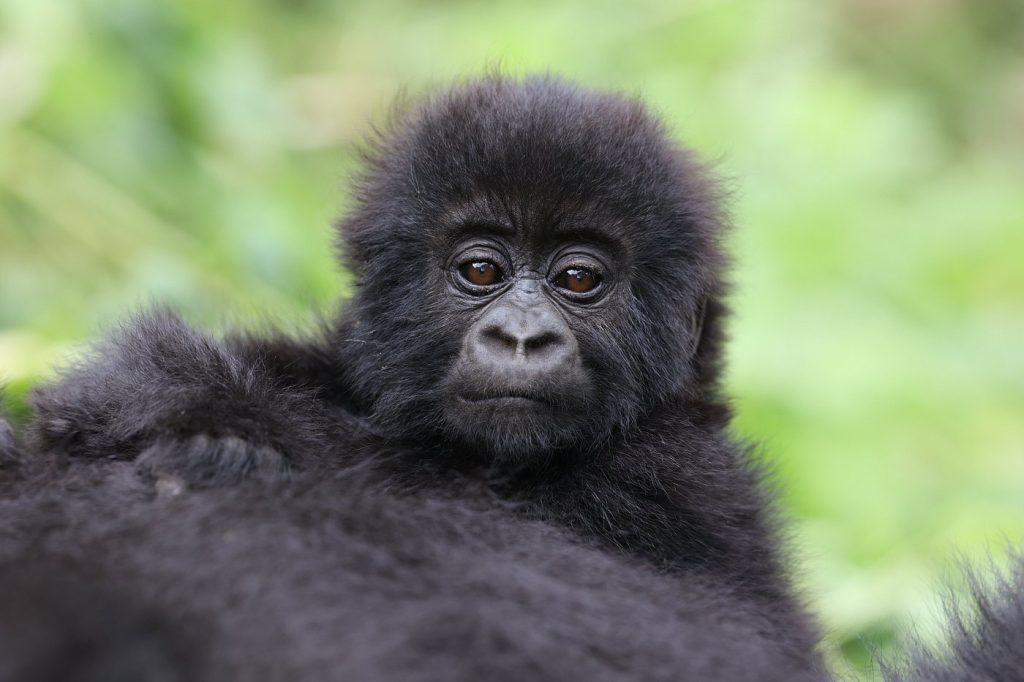
Understanding Safety in Uganda
Uganda has remained relatively stable for many years and continues to invest heavily in tourism infrastructure and visitor security. Tourism is one of the country’s most important industries, and the government works closely with wildlife authorities, tourism police, and park rangers to protect visitors in major tourist destinations.
Most travelers spend their time in areas such as Kampala, Entebbe, Bwindi Impenetrable Forest, Kibale National Park, Queen Elizabeth National Park, Lake Mburo, Murchison Falls, and Jinja. These are established tourism regions with lodges, guides, ranger patrols, and organized tour operations that regularly host international guests.
Many travelers are often surprised by how welcoming and peaceful Uganda feels once they arrive. Ugandans are known for being friendly, respectful, and helpful toward visitors. In tourism areas especially, local communities are accustomed to interacting with foreign travelers and are generally very supportive of the tourism industry.
Crime and Tourist Safety
Like most countries, Uganda experiences some level of crime, particularly in urban areas. Petty theft such as pickpocketing, phone snatching, and bag theft can occur in crowded places including markets, taxi parks, busy streets, and nightlife areas. Tourists displaying expensive jewelry, cameras, or large amounts of cash may attract attention.
However, violent crime against tourists in Uganda remains relatively uncommon in the main tourism circuits. Most visitors complete their trips without any incidents. Travelers who follow standard safety precautions usually have smooth experiences throughout their stay.
- Simple precautions can significantly improve your safety while traveling in Uganda:
- Avoid walking alone late at night in unfamiliar urban areas.
- Keep valuables out of sight.
- Use trusted transportation providers or tour operators.
- Avoid carrying large sums of cash.
- Stay in reputable hotels and lodges.
- Be cautious in crowded public areas.
- Travelers using experienced safari companies often feel much safer because guides understand local conditions, road safety, and regional travel updates.
Is Gorilla Trekking Safe in Uganda?
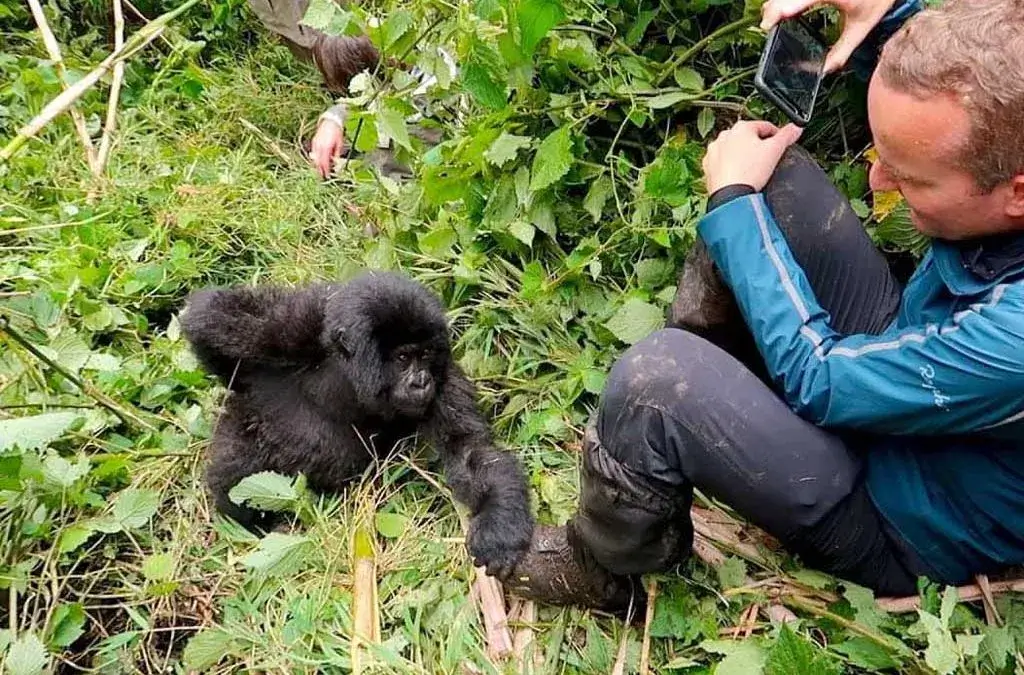
One of the biggest reasons people visit Uganda is to see mountain gorillas in Bwindi Impenetrable National Park or Mgahinga Gorilla National Park. Gorilla trekking is considered very safe and is one of the country’s most professionally managed tourism activities.
Treks are conducted under the supervision of trained Uganda Wildlife Authority rangers who accompany tourists throughout the experience. Armed ranger escorts are also present, not only for security reasons but also for protection against wild animals such as forest elephants or buffaloes.
The trekking process is highly organized. Visitors receive safety briefings before entering the forest, group sizes are limited, and guides monitor the gorillas carefully to ensure both tourist and animal safety.
Although some international travel advisories occasionally mention western Uganda due to its proximity to eastern Democratic Republic of Congo, the gorilla tourism regions themselves remain heavily monitored and protected because of their importance to Uganda’s tourism economy.
For most travelers, gorilla trekking becomes the highlight of their entire African journey.
Road Safety in Uganda
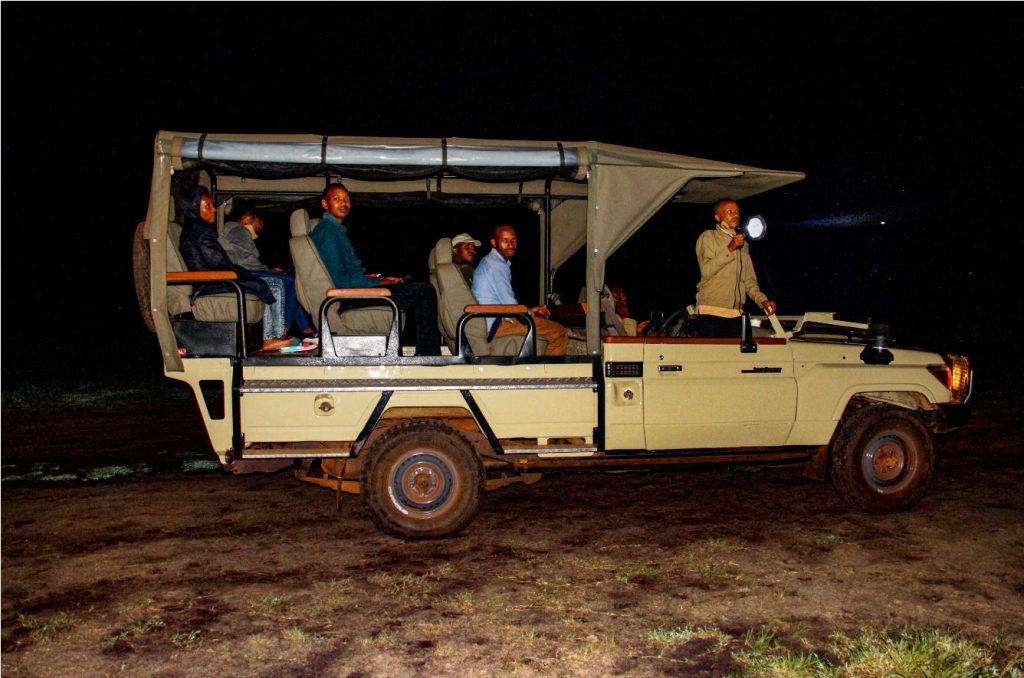
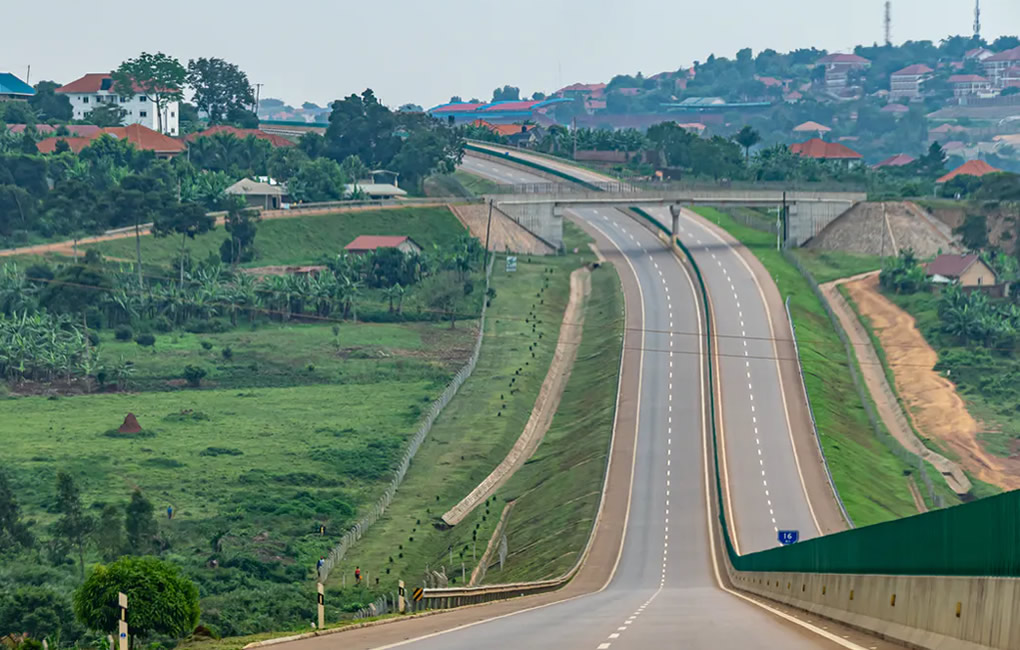
Road safety is one of the most important considerations when traveling in Uganda. While the country has many paved highways connecting major towns and national parks, driving standards can sometimes be unpredictable. Speeding, overtaking, motorcycles, livestock crossings, and poorly lit roads can create challenging driving conditions, especially at night.
For this reason, many tour operators avoid long-distance driving after dark. Travelers are generally advised to travel during daytime hours whenever possible.
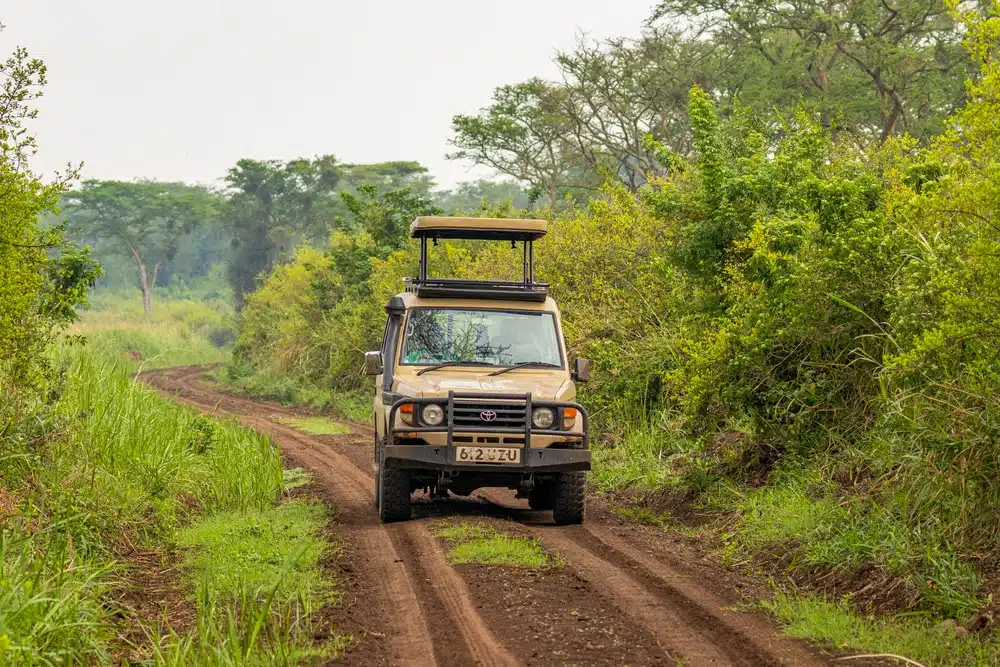
Using professional safari guides and licensed drivers significantly improves travel safety. Experienced guides understand local road conditions, weather changes, wildlife routes, and emergency procedures. Organized safaris also use well-maintained 4×4 vehicles designed for Uganda’s terrain.
Motorcycle taxis known as “boda bodas” are common in Uganda but are not recommended for tourists unfamiliar with local traffic conditions due to the high rate of accidents.
Health and Medical Safety
Uganda is generally safe from a health perspective if travelers prepare properly before arrival. Visitors should consult a travel clinic several weeks before departure to receive recommended vaccinations and health advice.
A yellow fever vaccination certificate is mandatory for entry into Uganda. Malaria prevention is also strongly recommended since malaria exists throughout most parts of the country. Travelers are encouraged to use mosquito repellent, sleep under mosquito nets where provided, and take prescribed anti-malaria medication.
Travel insurance with emergency evacuation coverage is highly recommended, especially for travelers participating in trekking, hiking, or safari activities in remote national parks. Medical facilities in Kampala and Entebbe are improving, but advanced emergency services may be limited in remote regions.
Drinking bottled or filtered water is advised, and travelers should practice normal food hygiene precautions during their stay.
Political Stability and Regional Considerations
Uganda occasionally experiences political demonstrations and periods of political tension, especially during election seasons. Most demonstrations occur in Kampala and are usually unrelated to tourists. Visitors are advised to avoid political gatherings, protests, or rallies if they encounter them.
Some foreign governments issue broader travel advisories for Uganda because of regional instability near certain border areas, particularly close to the Democratic Republic of Congo. However, the majority of Uganda’s tourism destinations continue operating safely and receive visitors daily.
Travelers should stay informed through official travel advisories and work with reputable local operators who monitor regional developments closely.
Solo Travel and Female Travelers
Uganda is increasingly popular among solo travelers, backpackers, photographers, birders, and adventure tourists. Female travelers can also enjoy Uganda safely, especially when using reputable accommodations and organized transport.
As with travel anywhere in the world, solo travelers should remain cautious at night, avoid isolated areas, and maintain awareness of their surroundings. Most female visitors describe Ugandans as respectful and welcoming, particularly in tourism-focused areas.
Many solo travelers who visit Uganda often return because of the country’s unique combination of wildlife, scenery, and human warmth.
Why Most Tourists Feel Safe in Uganda
Despite occasional negative headlines or cautious foreign travel advisories, the reality on the ground for most tourists is often very positive. Travelers frequently describe Uganda as peaceful, welcoming, authentic, and far less intimidating than they originally expected.
Tourism in Uganda revolves around guided experiences, protected national parks, and carefully organized activities. Whether someone is trekking gorillas in Bwindi, cruising along the Nile in Murchison Falls, chimpanzee tracking in Kibale Forest, or enjoying cultural encounters near Lake Bunyonyi, tourism infrastructure continues to improve every year.
Uganda may not offer the polished luxury tourism systems found in some destinations, but many travelers consider its authenticity to be part of its charm.
Final Words
Yes, Uganda is generally safe to visit for tourists who travel responsibly and take normal precautions. The country remains one of Africa’s most extraordinary destinations for wildlife, adventure, culture, and natural beauty.
No destination in the world is completely risk-free, and Uganda is no exception. However, travelers who prepare properly, stay informed, use reputable tour operators, and follow basic safety advice usually experience Uganda as a friendly, peaceful, and unforgettable destination.
For many visitors, Uganda becomes more than just a safari destination. It becomes a life-changing experience filled with remarkable wildlife encounters, breathtaking scenery, and meaningful connections with local people. That is why so many travelers leave Uganda already planning their return.