

Susa Gorilla Family in Rwanda: A Legendary Mountain Gorilla Group
Susa Gorilla Family in Rwanda, deep within the misty forests of Volcanoes National Park in Rwanda lives one of the world’s most famous mountain gorilla groups, the Susa Gorilla Family. Known for its fascinating history, large group size, rare twin gorillas, and adventurous trekking experience, the Susa family has become a symbol of Rwanda’s successful wildlife conservation efforts. Every year, thousands of tourists travel from different parts of the world to witness these magnificent primates in their natural habitat.
The Susa Gorilla Family offers visitors a unique opportunity to experience close encounters with endangered mountain gorillas while exploring the breathtaking landscapes of the Virunga Mountains. Its importance goes beyond tourism because the group also represents decades of conservation, scientific research, and environmental protection.
Location of the Susa Gorilla Family.
The Susa Gorilla Family lives in Volcanoes National Park, located in northwestern Rwanda along the Virunga Mountain range. This national park is one of Africa’s most important conservation areas and forms part of the larger Virunga Conservation Region shared by Rwanda, Uganda, and the Democratic Republic of Congo.
The family usually inhabits the higher slopes of the volcanic mountains where dense bamboo forests, thick vegetation, and cool temperatures create the ideal environment for mountain gorillas. Due to the group’s movement deep into the forest and mountainous terrain, trekking to see the Susa family is considered one of the most challenging yet rewarding gorilla trekking adventures in Rwanda.
History of the Susa Gorilla Family
The Susa Gorilla Family has a rich and internationally recognized history. The group was named after the nearby Susa River where researchers first observed the gorillas. It became globally famous through the work of renowned primatologist Dian Fossey, who dedicated much of her life to studying mountain gorillas in the Virunga region.
Dian Fossey closely monitored the Susa family and used it extensively for her groundbreaking research on gorilla behavior, social structure, communication, and conservation. Her studies helped the world better understand mountain gorillas and inspired international efforts to protect them from extinction.
At one time, the Susa Gorilla Family was the largest habituated gorilla group in Rwanda, consisting of more than 40 members. As the group grew, some gorillas eventually separated to form new families, which is a natural process among gorilla populations.
The Famous Twin Gorillas
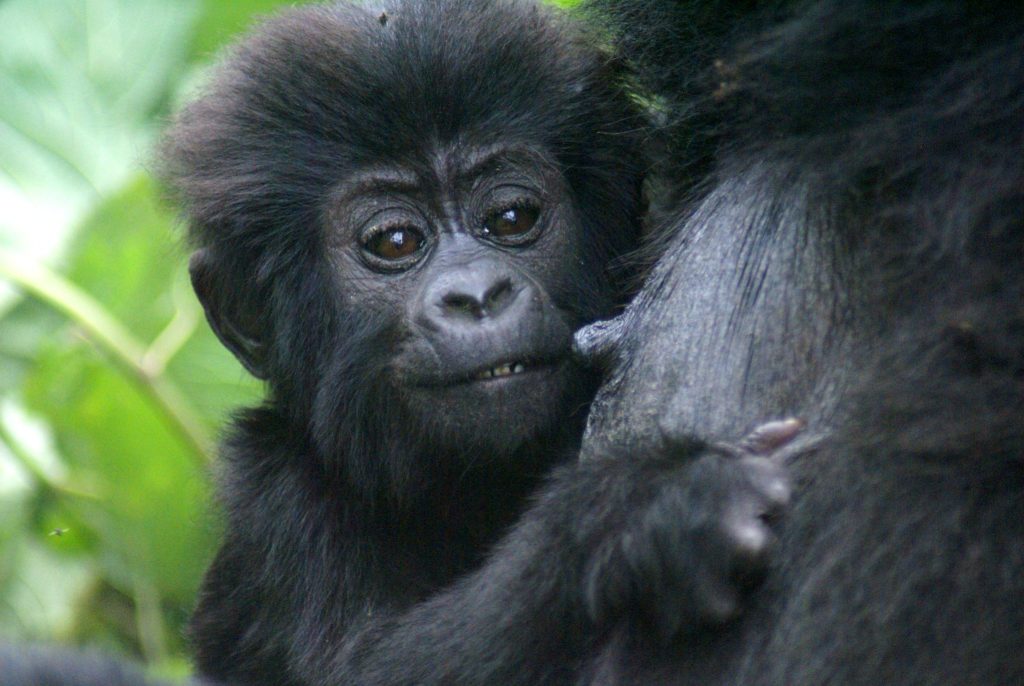
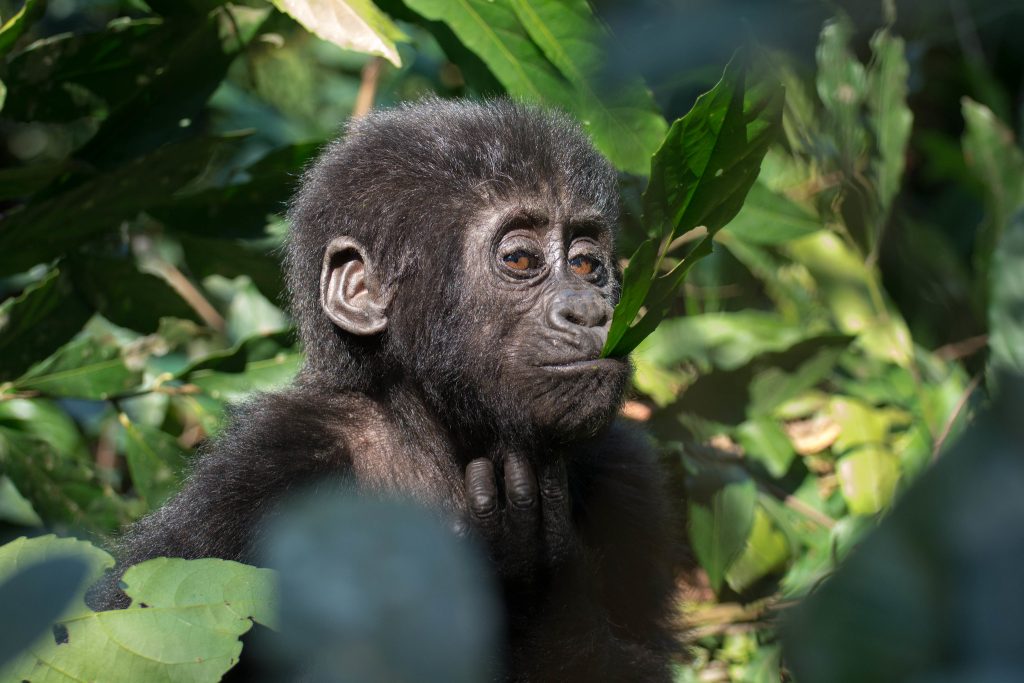
One of the most remarkable stories associated with the Susa Gorilla Family is the birth of rare twin gorillas named Byishimo and Impano. Twin births among mountain gorillas are extremely uncommon, making this event highly significant in the conservation world.
The successful survival and growth of the twins attracted global attention and became a symbol of hope for mountain gorilla conservation. Their story highlighted the effectiveness of Rwanda’s conservation programs and demonstrated the increasing stability of gorilla populations in Volcanoes National Park.
The twins became popular among tourists and researchers because they represented a rare and extraordinary occurrence in the gorilla world.
Social Structure of the Susa Gorilla Family
Like other mountain gorilla groups, the Susa family is led by a dominant silverback gorilla. The silverback serves as the protector, leader, and decision-maker for the group. He guides daily activities such as feeding, resting, movement, and nesting while defending the family against threats or rival gorilla groups.
The family consists of several members, including adult females, juveniles, infants, blackbacks, and the dominant silverback. Each member plays a role in maintaining the social structure and harmony of the group.
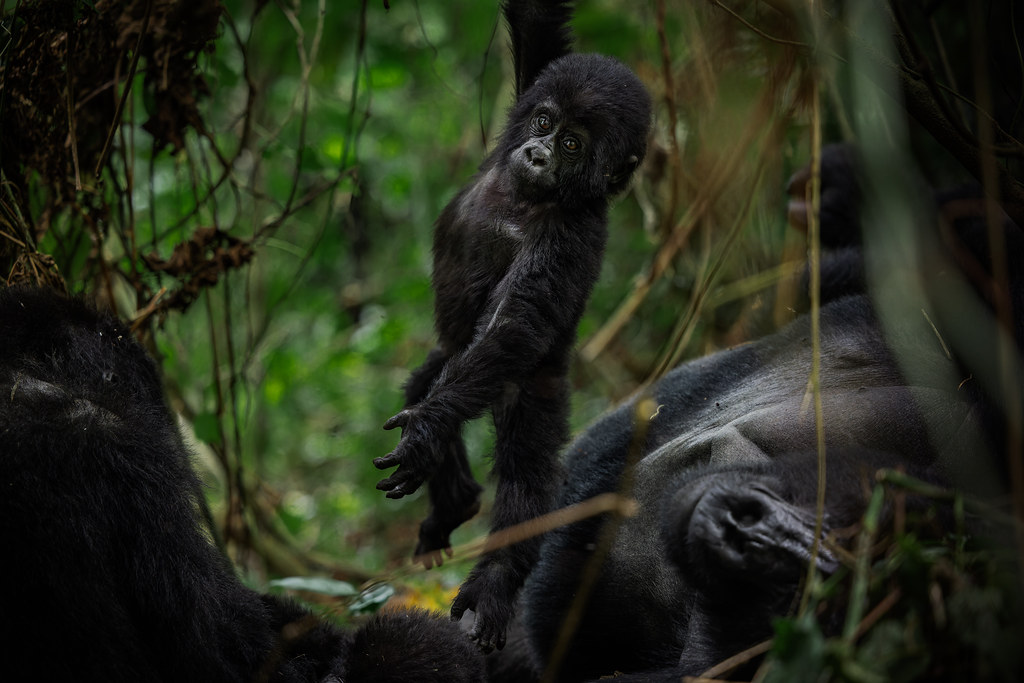
Mountain gorillas are highly social animals that communicate through sounds, body language, facial expressions, and grooming. Young gorillas are especially playful and often entertain visitors by climbing trees, wrestling, chasing one another, and interacting with family members.
Gorilla Trekking Experience
Trekking the Susa Gorilla Family is considered one of the most adventurous gorilla trekking experiences in Rwanda. Unlike some gorilla groups located near the park boundaries, the Susa family often moves deeper into the forest and higher into the mountains.
Trekkers may hike for several hours through muddy trails, steep slopes, bamboo forests, and thick vegetation before locating the gorillas. The trek can be physically demanding, but the experience of encountering mountain gorillas in the wild makes every step worthwhile.
Visitors are advised to prepare adequately by wearing hiking boots, long trousers, waterproof jackets, gloves, and carrying drinking water. Hiring a porter can also make the journey easier, especially during rainy conditions.
Once the gorillas are found, tourists are allowed to spend one hour observing them from a safe distance. During this time, visitors can watch the gorillas feed, groom each other, care for infants, or relax peacefully in the forest.
Importance of Conservation
The Susa Gorilla Family plays a major role in Rwanda’s conservation success story. Decades ago, mountain gorillas faced severe threats from poaching, habitat destruction, and human encroachment. Their population declined dramatically, placing the species at risk of extinction.
Today, conservation efforts involving the Rwandan government, conservation organizations, researchers, and local communities have helped increase mountain gorilla populations. Strict anti-poaching measures, veterinary care, habitat protection, and regulated tourism have all contributed to their survival.
Revenue generated from gorilla trekking permits supports conservation programs and community development projects around Volcanoes National Park. Local communities benefit through improved schools, healthcare facilities, roads, employment opportunities, and tourism-related businesses.
Tourism and Economic Impact
Gorilla trekking has become Rwanda’s leading tourism attraction, and the Susa Gorilla Family is one of the country’s biggest highlights. Tourists from around the world visit Volcanoes National Park specifically to experience the adventure of seeing these endangered primates.
The tourism industry contributes significantly to Rwanda’s economy by generating foreign exchange, creating jobs, and promoting environmental sustainability. Hotels, tour operators, transport services, and local artisans all benefit from gorilla tourism activities.
In addition to gorilla trekking, visitors often explore other attractions within Volcanoes National Park, including golden monkey tracking, hiking volcanic mountains, visiting cultural villages, and touring the Dian Fossey research center.
Best Time to Visit the Susa Gorilla Family
The best time to visit the Susa Gorilla Family is during Rwanda’s dry seasons, which occur from June to September and December to February. During these months, trekking trails are generally less muddy and easier to navigate.
However, gorilla trekking is possible throughout the year because mountain gorillas remain in the forest regardless of weather conditions. The rainy seasons can make trekking more challenging, but they also offer beautiful green scenery and fewer tourists.
Conclusion
The Susa Gorilla Family remains one of Rwanda’s most iconic wildlife treasures. Its rich history, connection to Dian Fossey, rare twin gorillas, and adventurous trekking experience make it one of the most fascinating gorilla groups in Africa.
Beyond tourism, the family symbolizes the success of wildlife conservation efforts that have helped protect mountain gorillas from extinction. Visiting the Susa Gorilla Family offers travelers a once-in-a-lifetime opportunity to connect with nature, experience Rwanda’s breathtaking landscapes, and witness the incredible behavior of one of humanity’s closest relatives.