

Is It True Rushaga Is the Best Gorilla Trekking Sector?
Is It True Rushaga Is the Best Gorilla Trekking Sector, When travelers plan a gorilla trekking safari in Uganda, one question often comes up: Is Rushaga really the best sector for gorilla trekking? The answer is not as straightforward as yes or no because every sector in Bwindi Impenetrable National Park offers a unique experience. However, there are several reasons why Rushaga has earned a reputation as one of the most rewarding places to encounter mountain gorillas.
Located in the southern part of Bwindi Impenetrable National Park, Rushaga has become a favorite among wildlife enthusiasts, photographers, conservationists, and adventure travelers. From its high concentration of habituated gorilla families to its breathtaking landscapes and accessibility to neighboring attractions, Rushaga provides an unforgettable safari experience.
Why Rushaga Stands Out
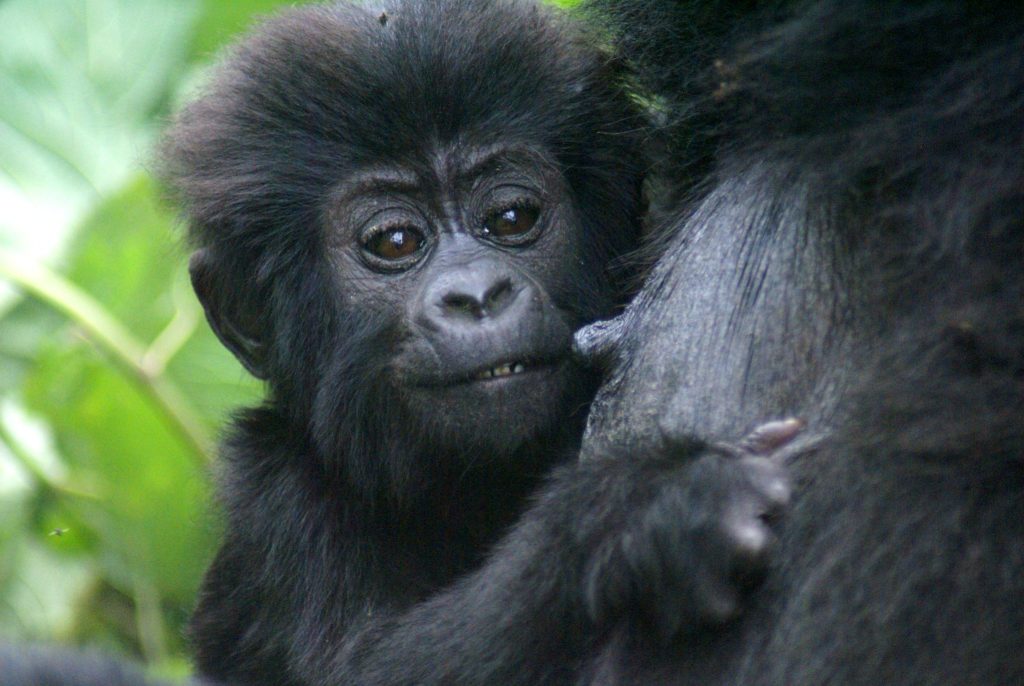
Rushaga is home to the largest number of habituated mountain gorilla families in Uganda. This means visitors have a greater chance of securing trekking permits, especially during the peak travel seasons when permits in other sectors may sell out months in advance.
The abundance of gorilla groups also allows park authorities to distribute visitors more evenly across different families. As a result, trekking groups are generally smaller and encounters with gorillas feel less crowded. Every trekking party is accompanied by experienced Uganda Wildlife Authority guides and trackers who work tirelessly to locate the assigned gorilla family.
Because there are many habituated groups, Rushaga is often the preferred choice for travelers booking last-minute gorilla permits.
A Variety of Gorilla Families
Unlike sectors with only a handful of habituated groups, Rushaga offers visitors the opportunity to trek several well-known gorilla families. Each family has its own unique behavior, group dynamics, and personalities.
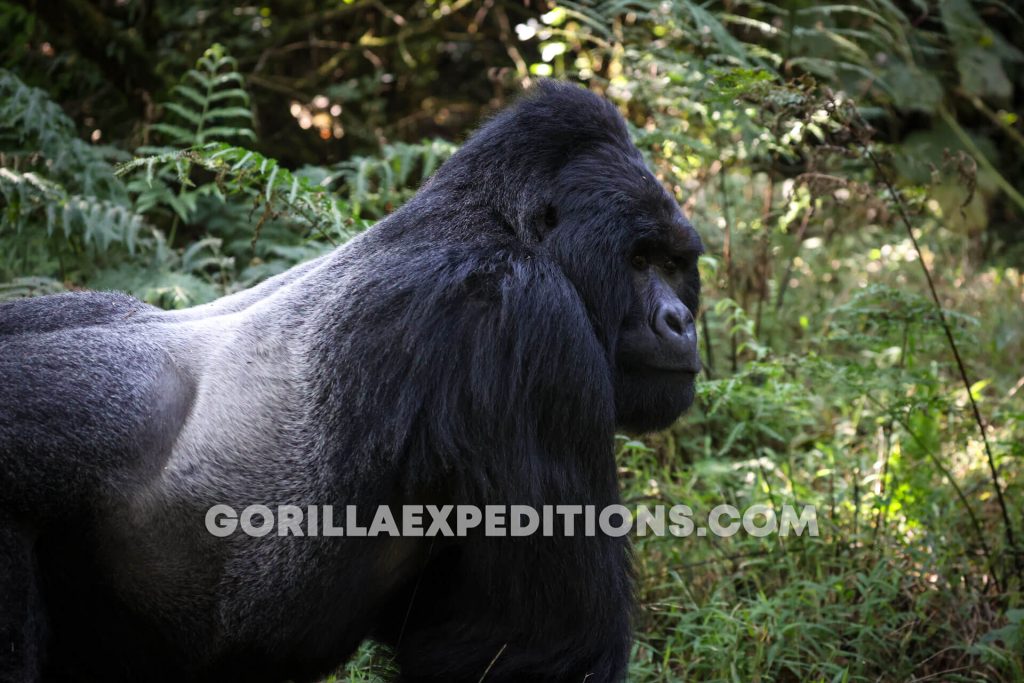
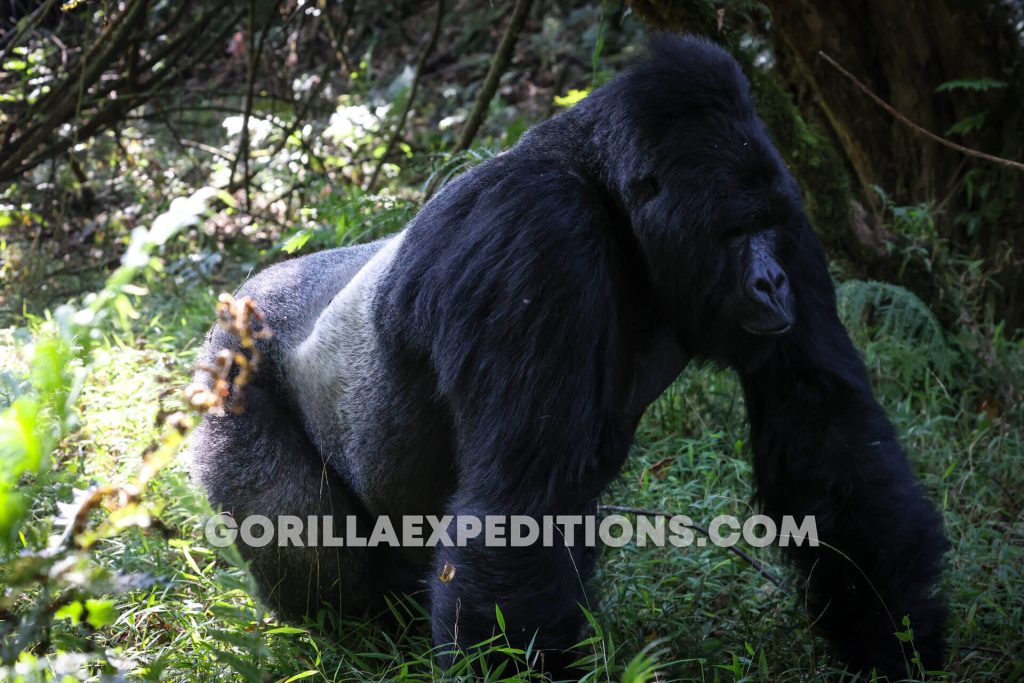
Some groups are led by powerful silverbacks that carefully protect their members, while others include playful juveniles that entertain visitors with their energetic climbing and interactions. Mothers nurturing young infants are another unforgettable sight, reminding visitors how closely related humans are to these incredible primates.
No two gorilla treks are ever the same, even for repeat visitors.
Home of the Gorilla Habituation Experience
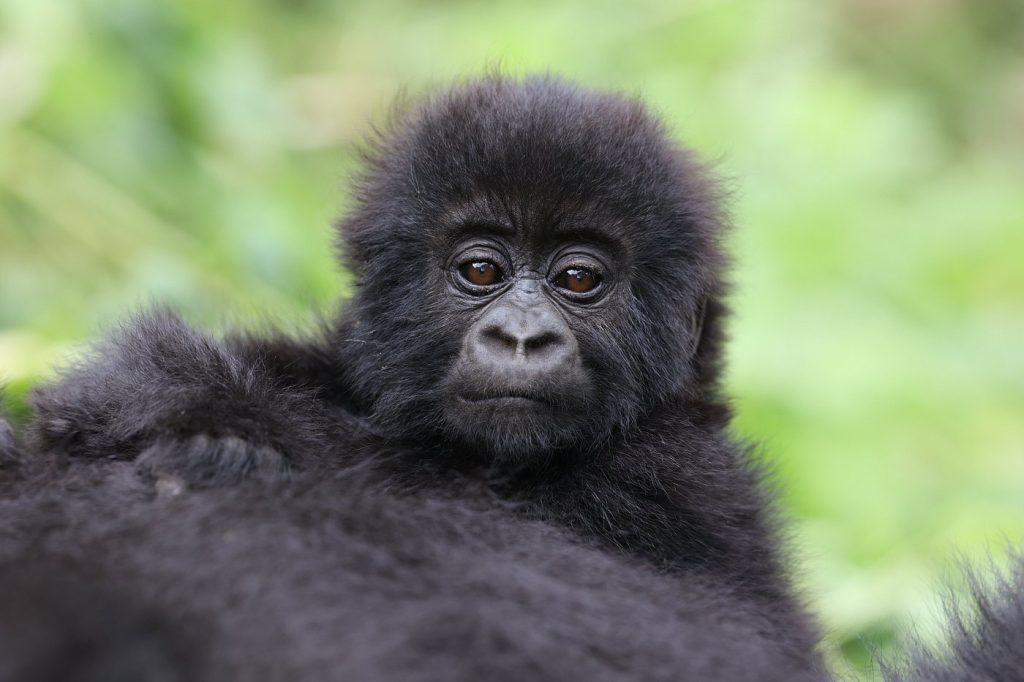
One feature that truly distinguishes Rushaga from the other sectors is the Gorilla Habituation Experience.
Unlike the standard gorilla trek, which allows visitors one hour with a fully habituated gorilla family, the Gorilla Habituation Experience gives participants up to four hours with a semi-habituated family under the guidance of researchers, conservationists, and expert trackers.
This immersive activity provides a deeper understanding of mountain gorilla behavior, communication, feeding habits, and the gradual process of building trust between humans and wild gorillas.
For wildlife photographers, filmmakers, researchers, and travelers seeking a more intimate encounter, this experience is one of Uganda’s greatest wildlife adventures.
Stunning Landscapes
Rushaga is not only about gorillas. The surrounding scenery is spectacular.
The rolling hills of southwestern Uganda create dramatic panoramic views stretching across dense forests, cultivated terraces, and distant mountain ranges. Early mornings often reveal mist drifting through the valleys, creating a magical atmosphere before the trek begins.
The hiking trails pass through ancient rainforest filled with towering trees, colorful butterflies, unique bird species, giant ferns, and countless plant varieties that have flourished for centuries.
Many visitors describe the journey through the forest as rewarding even before finding the gorillas.
Trekking Difficulty
One of the most common misconceptions is that Rushaga always offers easier gorilla treks.
In reality, trekking difficulty depends entirely on where the assigned gorilla family is located on a particular day. Mountain gorillas roam freely throughout the forest in search of food, meaning they may travel several kilometers overnight.
Some visitors may find their assigned family within an hour of hiking, while others could spend several hours climbing steep hills and navigating dense vegetation.
Rushaga includes both relatively moderate and challenging trails. The Uganda Wildlife Authority usually considers the age, physical fitness, and preferences of visitors when assigning gorilla groups whenever possible.
Regardless of the trek’s length, seeing a family of endangered mountain gorillas in their natural habitat makes every step worthwhile.
Excellent Accommodation Options
Another reason Rushaga is highly regarded is its wide range of accommodation choices.
Whether visitors seek luxury, mid-range comfort, or budget-friendly lodging, the area offers numerous options close to the park headquarters. Many lodges feature breathtaking forest views, warm hospitality, locally inspired cuisine, and comfortable rooms designed to help guests relax after their trek.
Staying near the trekking starting point reduces early morning travel time and allows visitors to begin their adventure feeling refreshed.
Several lodges also organize cultural visits, guided forest walks, birdwatching excursions, and community experiences that enrich the overall safari.
Easy Combination with Other Destinations
Rushaga’s southern location makes it convenient for travelers combining gorilla trekking with other attractions.
Many visitors continue their journey to Mgahinga Gorilla National Park, Lake Bunyonyi, or even Rwanda through the Cyanika border. This flexibility makes Rushaga an excellent choice for travelers planning multi-country East African safaris.
Lake Bunyonyi, often called one of Africa’s most beautiful lakes, is particularly popular after gorilla trekking because it offers opportunities for canoeing, relaxation, birdwatching, and cultural experiences.
Rich Cultural Experiences
Beyond wildlife, Rushaga also offers meaningful cultural interactions.
Local communities surrounding Bwindi welcome visitors to learn about traditional lifestyles, music, dance, crafts, and conservation initiatives. The Batwa cultural experiences are especially insightful, sharing the history of one of the region’s oldest forest-dwelling communities.
These visits provide valuable economic support to local people while helping travelers better understand the relationship between conservation and community development.
Is Rushaga Better Than Other Sectors?
Bwindi Impenetrable National Park is divided into four gorilla trekking sectors: Buhoma, Ruhija, Rushaga, and Nkuringo.
Each sector has distinct advantages.
Buhoma is famous for its historical significance as the location of Uganda’s first gorilla tourism activities.
Ruhija attracts birdwatchers because of its exceptional bird diversity and tranquil atmosphere.
Nkuringo is known for its dramatic scenery and physically demanding hikes that reward adventurous travelers with incredible views.
Rushaga stands out because of its large number of habituated gorilla families, the Gorilla Habituation Experience, diverse accommodation options, and greater permit availability.
Rather than saying one sector is objectively the best, it is more accurate to say Rushaga is often the most versatile choice for a wide range of travelers.
Final Verdict
So, is it true that Rushaga is the best gorilla trekking sector?
For many visitors, the answer is yes. Its combination of numerous gorilla families, flexible permit availability, unforgettable Gorilla Habituation Experience, breathtaking scenery, excellent accommodation, and access to nearby attractions makes it one of Uganda’s premier gorilla trekking destinations.
However, the “best” sector ultimately depends on what each traveler values most. Those seeking history may prefer Buhoma, bird enthusiasts may choose Ruhija, and experienced hikers might enjoy Nkuringo. Yet for travelers looking for choice, flexibility, and exceptional wildlife encounters, Rushaga consistently ranks among the finest places in Africa to see endangered mountain gorillas in their natural habitat.