

How Much Should You Tip a Porter or Guide? A Complete Traveler’s Guide
Tipping is one of the most common questions travelers ask when planning a safari, trekking adventure, cultural tour, or wildlife experience. Many visitors are often unsure about how much money is appropriate to give, who should receive a tip, when it should be given, and whether tipping is expected or optional. While tipping customs vary from country to country, understanding the role of guides and porters can help travelers feel more comfortable and confident during their journey.
In destinations such as Uganda, Rwanda, Kenya, Tanzania, Nepal, Peru, and many other tourism-focused countries, guides and porters play a very important role in creating safe, enjoyable, and memorable travel experiences. These individuals work long hours, often in physically demanding environments, to support tourists throughout hikes, safaris, mountain treks, and cultural excursions. Tipping is therefore considered both a gesture of appreciation and an important source of income for many tourism workers.
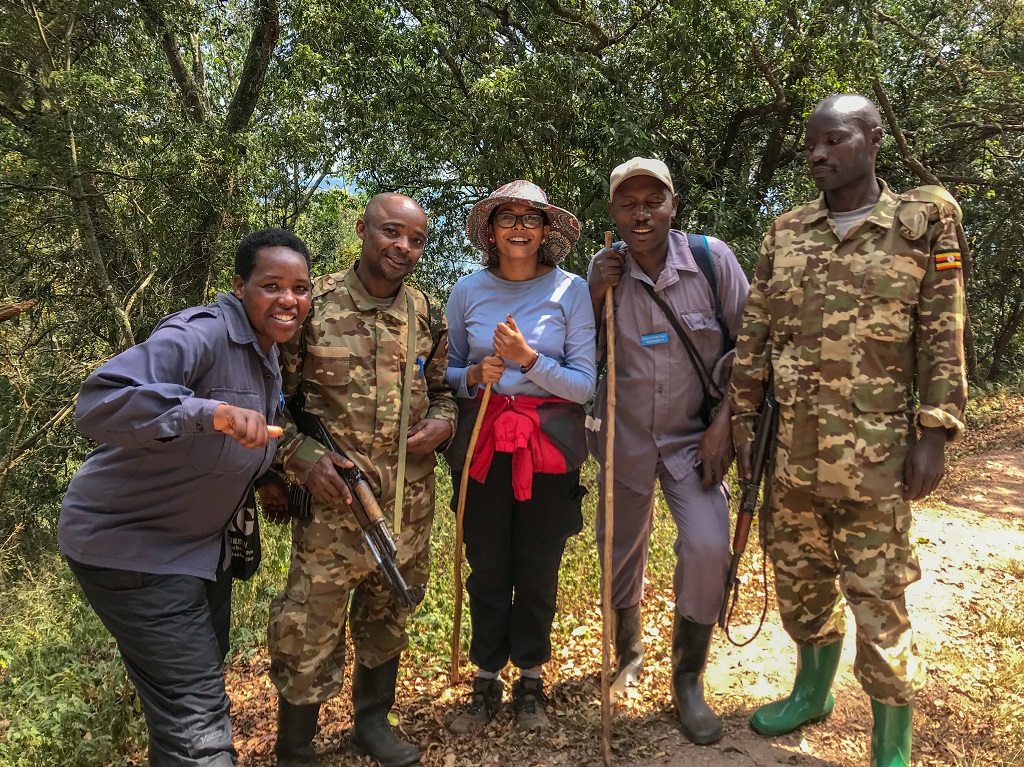
Understanding how much to tip a porter or guide requires looking at several factors including the type of activity, the duration of the tour, the level of service provided, group size, local tipping culture, and personal satisfaction with the experience.
Why Tipping Matters During Travel
Many travelers come from countries where service workers receive stable wages and tipping is simply an extra reward. However, in many tourism destinations around the world, tips form a significant part of a guide or porter’s overall income. Tourism jobs often involve seasonal work, unpredictable visitor numbers, and physically demanding conditions.
Porters, for example, may carry heavy backpacks through steep forests, muddy trails, mountains, or difficult terrain for many hours each day. Guides are responsible not only for providing information but also for ensuring visitor safety, coordinating logistics, managing emergencies, and creating meaningful travel experiences.
A good guide can transform an ordinary trip into an unforgettable journey. Their local knowledge, storytelling ability, wildlife tracking skills, and understanding of the environment often become one of the highlights of a traveler’s experience. Tipping is therefore more than simply handing over money. It is recognition of effort, professionalism, hospitality, and dedication.
How Much Should You Tip a Porter?
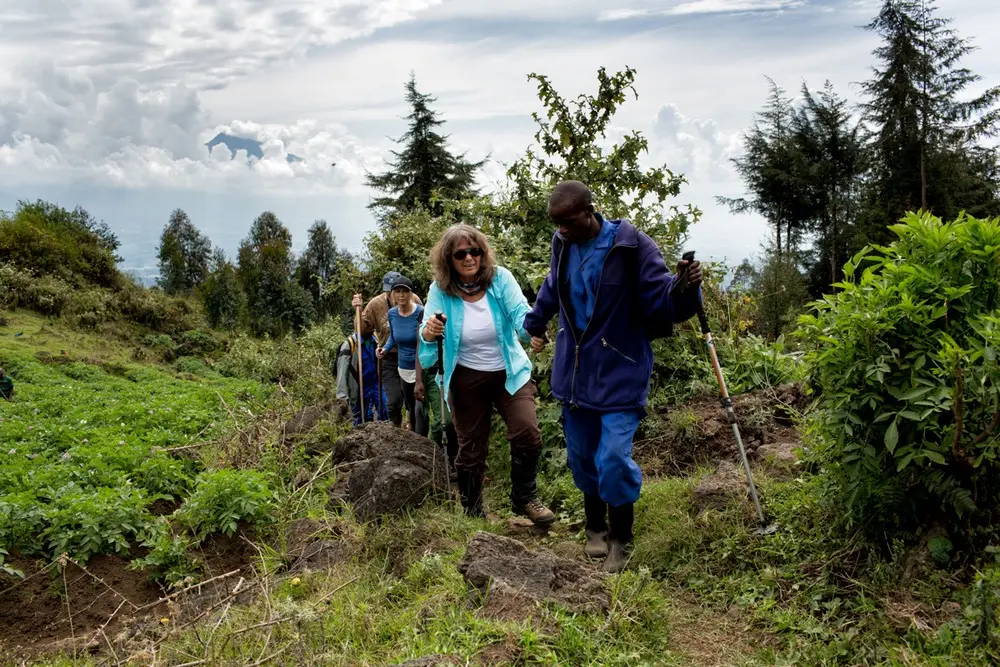
Porters are commonly hired during activities such as gorilla trekking, mountain climbing, hiking expeditions, and long walking safaris. Their role is to help carry bags, equipment, water, cameras, or personal belongings so that travelers can move more comfortably and safely.
The amount you should tip a porter often depends on the length and difficulty of the activity. For short day hikes or gorilla trekking experiences, travelers typically tip between $10 and $20 per porter for the day. If the porter has been especially helpful, supportive, or physically assisted you during difficult sections of the trek, many travelers choose to give slightly more.
For longer trekking expeditions involving multiple days, such as mountain climbs or extended hiking adventures, tipping amounts usually increase because porters work for longer periods under more demanding conditions. In these situations, travelers may tip between $15 and $25 per day depending on the destination and the level of support provided.
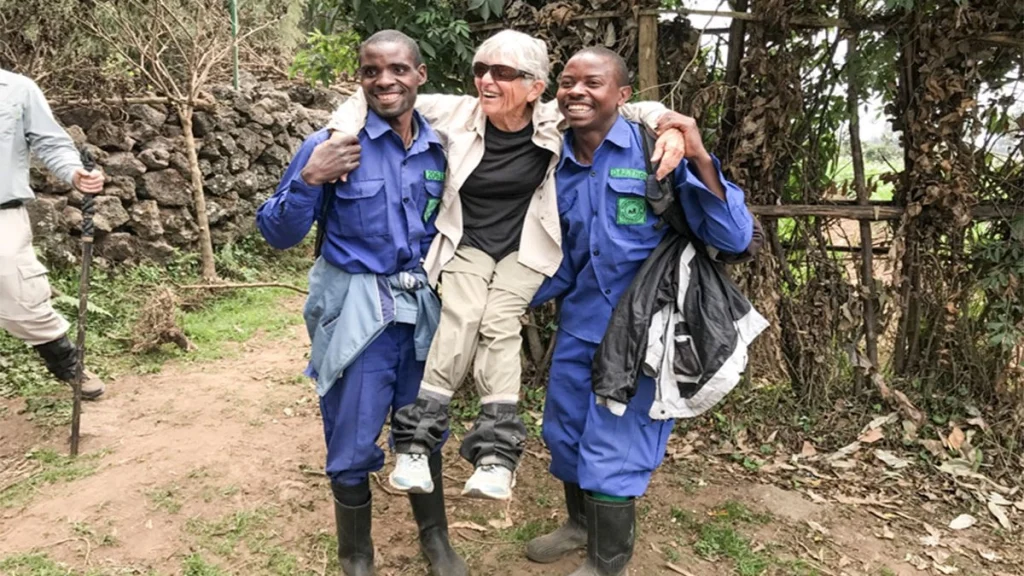
In gorilla trekking destinations like Uganda and Rwanda, hiring a porter is strongly encouraged even if you feel physically fit enough to carry your own belongings. Many porters are local community members who benefit directly from tourism income. Hiring a porter helps create employment opportunities around conservation areas and reduces pressure on local communities to rely on activities that could harm wildlife habitats.
Some travelers initially hesitate to hire a porter because they feel capable of managing their own bags. However, many later realize that the steep, muddy, and slippery terrain can become extremely challenging, especially at high altitudes or during rainy conditions. Porters often provide physical assistance during difficult sections of the trek, helping travelers maintain balance and move safely through dense forest environments.
How Much Should You Tip a Tour Guide?
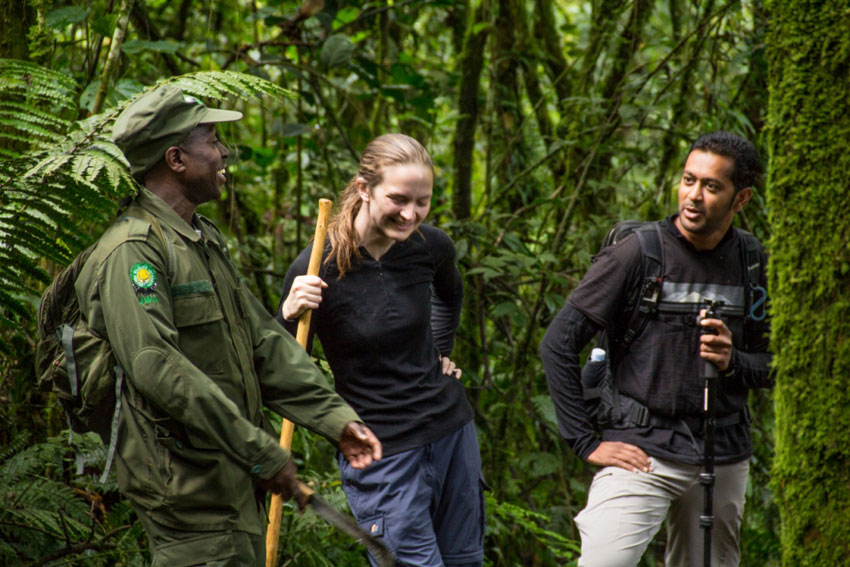
Tour guides generally receive higher tips than porters because they carry broader responsibilities throughout the trip. Guides coordinate transportation, manage schedules, explain local culture and wildlife, handle emergencies, communicate with lodges, and ensure guests remain safe and comfortable throughout the journey.
For private safari guides or full-time driver-guides, travelers commonly tip between $10 and $30 per person per day depending on the quality of service and the type of tour. On luxury safaris or specialized expeditions, tips may sometimes be even higher.
If you are traveling as part of a group, the group often combines tips into one shared amount for the guide. For example, a group of four travelers on a multi-day safari may collectively tip $80 to $120 per day for excellent guiding services.
Several factors can influence how much travelers decide to tip a guide:
- Professionalism and friendliness
- Knowledge about wildlife, culture, or history
- Driving skills and safety
- Ability to solve problems
- Communication and organization
- Effort made to personalize the experience
- Overall satisfaction with the trip
A guide who works hard to locate wildlife, explain local traditions, answer questions patiently, and ensure guests are comfortable often leaves a lasting impression. Many travelers feel that exceptional guides become one of the most memorable parts of their journey.
Tipping During Gorilla Trekking
Gorilla trekking is one of the most unique wildlife experiences in the world, and tipping practices during these treks are slightly different because several people may assist you throughout the day.
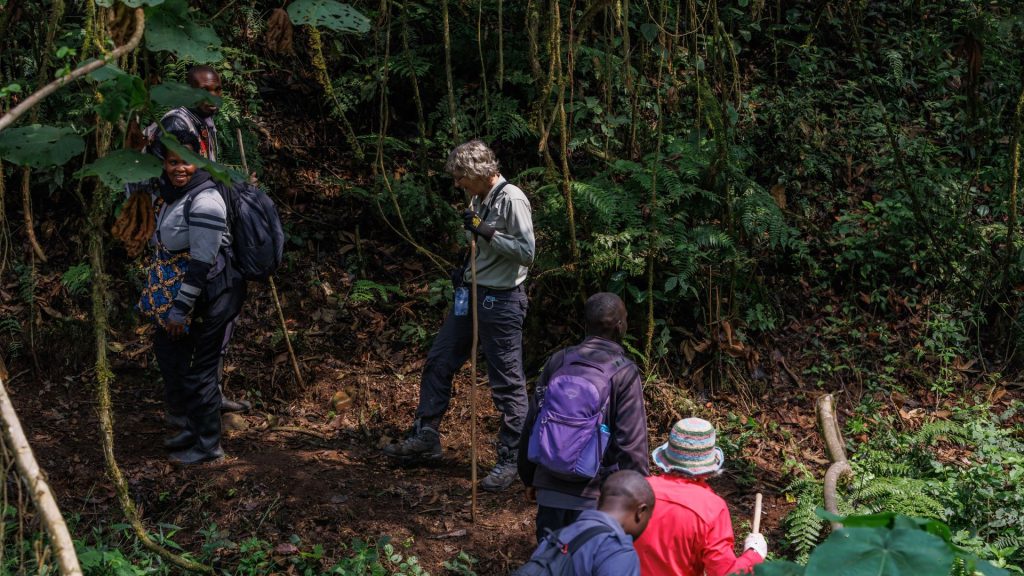
During gorilla trekking, visitors often interact with: Ranger guides, Armed escorts, Porters, Trackers.
The ranger guide usually leads the trek, explains gorilla behavior, ensures safety rules are followed, and communicates with trackers searching for the gorilla families. Visitors commonly tip ranger guides between $10 and $20 per person after the trek depending on the experience provided.
Trackers who locate the gorillas deep inside the forest are also sometimes tipped collectively by the group. Small contributions from each traveler are usually appreciated.
Porters, as mentioned earlier, are normally tipped separately based on the level of assistance they provide during the trek.
Is Tipping Mandatory?
Tipping is generally not mandatory in most travel destinations, but it is strongly encouraged and widely appreciated. Most guides and porters understand that tipping depends on a traveler’s budget and level of satisfaction. However, because tourism workers often depend on tips to supplement their income, refusing to tip after receiving excellent service may sometimes be viewed as inconsiderate.
Travelers should also remember that tipping does not need to feel stressful or uncomfortable. There is no universal formula that applies perfectly to every situation. What matters most is sincerity, appreciation, and fairness.
If your budget is limited, even a modest tip given respectfully can still mean a great deal to local workers. In many communities, tourism income supports entire families, school fees, healthcare expenses, and local businesses.
When and How Should You Give Tips?
The best time to give a tip is usually at the end of the activity or service. Many travelers prefer handing tips directly to the guide or porter personally while thanking them for their assistance. This approach feels more genuine and respectful.
Cash tips are generally preferred, especially in remote areas where digital payment systems may not exist. Carrying smaller denominations in US dollars or local currency can make tipping easier during your trip.
It is also important to be discreet and respectful when giving tips. Avoid creating uncomfortable comparisons between workers by openly displaying large amounts of money in front of others.
Cultural Sensitivity and Respect
Tipping should always be approached with cultural awareness and humility. While visitors may come from different economic backgrounds, treating guides and porters with kindness and respect is just as important as the financial tip itself.
Simple gestures such as saying thank you, learning someone’s name, acknowledging their effort, or leaving positive reviews for their work can also make a meaningful impact.
Travel experiences often become memorable because of the people who help create them. Behind every successful safari, mountain trek, or wildlife encounter are hardworking individuals whose efforts frequently go unnoticed.
Final Thoughts
Knowing how much to tip a porter or guide can initially feel confusing, especially for first-time travelers visiting safari or trekking destinations. However, understanding the effort, responsibility, and dedication involved in these roles helps make tipping feel more natural and meaningful.
In most cases, tipping between $10 and $20 for porters and $10 to $30 per day for guides is considered fair and appropriate depending on the destination, activity, and quality of service. Travelers should always consider the complexity of the experience, the level of support received, and their personal satisfaction when deciding how much to give.